I'm a participant in the Amazon Services LLC Associates Program, an affiliate advertising program designed to provide a means for me to earn fees by linking to Amazon.com and affiliated sites.
If you’re searching, “do vets recommend dog DNA tests”, here’s my quick verdict: vets often recommend genetic testing when it changes medical decisions (drug sensitivity, inherited disease risk, breeding plans), but they’re more cautious about “breed-only” consumer tests and how owners interpret them.
Why this matters: the wrong takeaway can be expensive, stressful, and sometimes risky. The right takeaway can help you and your vet prevent problems, choose safer meds, and spot red flags earlier.
Feature | |||||
|---|---|---|---|---|---|
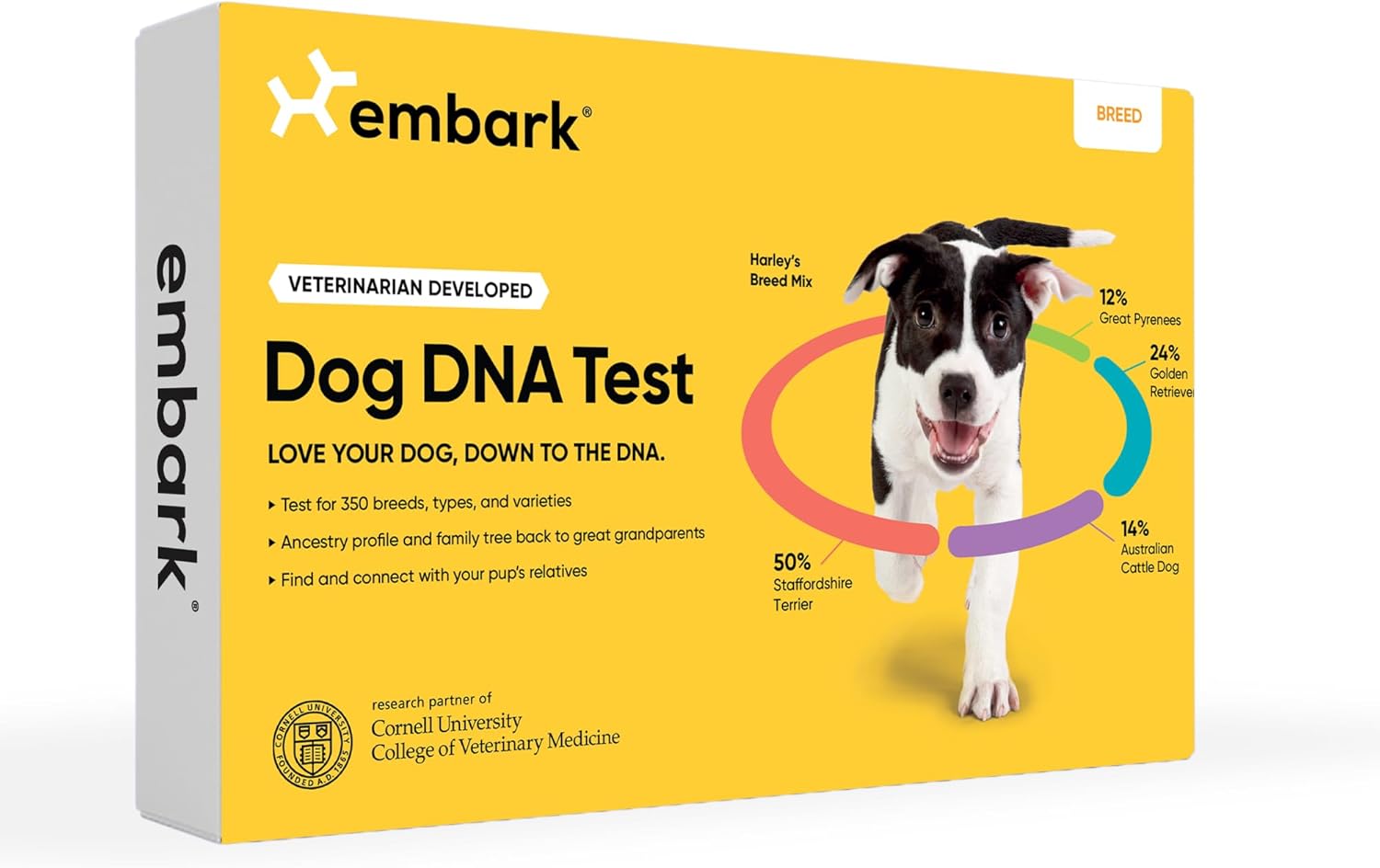 |  | 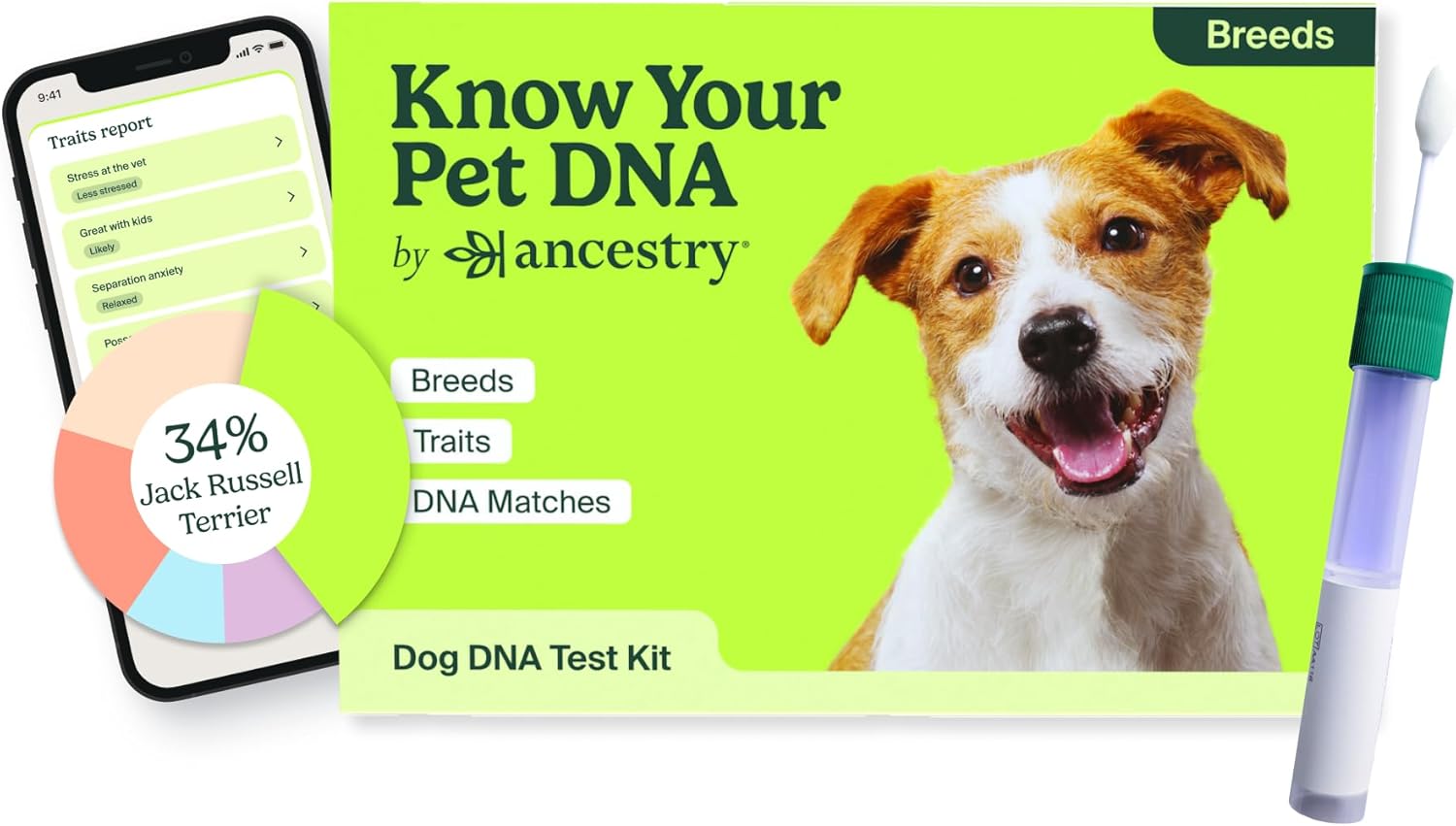 |  |  | |
Best for | Best overall breed + health | Most detailed all-in-one report | Simplest dashboard experience | Wellness planning style report | Budget-friendly deeper option |
Breed database size | 400+ breeds | 365+ breeds | 400+ breeds | Around 400 breeds | 350+ breeds |
Health screening | 270+ genetic health conditions | 265+ genetic health conditions | 200+ health screenings | Over 200 diseases and traits | “Health concerns” insights (not positioned as a full medical screen) |
Traits and behavior | Traits included | 50+ traits and behavior predispositions | Traits included | Traits and health framing included | Personality traits included |
Relatives matching | Yes | Yes | Matches included | Not the main focus | Not the main focus |
Typical results time | 2–4 weeks | About 3 weeks | 2–4 weeks | Often 2–4 weeks | About 3 weeks (varies by kit) |
Price |  | | | | |
The honest answer: “It depends” (but in a useful way)
Most vets are not anti DNA testing. They’re anti misinterpretation.
A recent survey of veterinary care providers found many see genetic testing as clinically useful, but confidence interpreting direct-to-consumer results varies, especially depending on the type of result (breed vs health) and species.
So the real question is not “Do vets recommend dog DNA tests?” It’s:
Do vets recommend using dog DNA results to make decisions without context?
That’s where the answer flips to “be careful.”
What vets actually recommend (in plain English)
1) Vets most strongly recommend tests that change medication safety
This is the cleanest “yes.”
Example: Cornell notes veterinarians recommend MDR1 testing for certain dogs (commonly herding breeds and some sighthounds) because it can affect reactions to specific medications.
If a result helps your vet avoid a drug reaction or choose safer dosing, it’s worth talking about.
2) Vets often recommend genetic testing when there’s a specific clinical reason
Think: “We’re investigating a problem” or “We’re trying to prevent one.”
Many veterinary professionals are already familiar with single-gene tests (AAHA mentions examples like MDR1 and vWD) because results can guide drug choices and safer surgical planning.
3) Vets may support breed and ancestry testing, but mostly as a “clue generator”
Breed ID can be helpful, but it is rarely a diagnosis.
UC Davis points out breed or ancestry results may help determine which genetic tests are appropriate when breed is unknown, but emphasizes working with your veterinarian before using results to make medical decisions.
Cornell also stresses that having a gene linked to a condition does not guarantee your dog will develop it, and that you should discuss medical-related genes with your veterinarian.
Best dog DNA test kit quick picks
- Best overall: Embark Breed + Health
- Best “everything in one report” alternative: Wisdom Panel Premium
- Best for a big-brand, easy dashboard experience: Know Your Pet DNA by Ancestry
- Best for wellness planning style reporting: Orivet GenoPet Plus
- Best budget-friendly option: DNA My Dog Essential (or Premium if you want deeper extras)
Why some vets hesitate with direct-to-consumer dog DNA tests
Here’s what makes vets pause. These are not “gotchas.” They’re real clinical concerns.
Results can vary between companies and methods
A JAVMA paper comparing multiple direct-to-consumer tests found most tests included the registered breed in purebred dogs, but one test and a deep-learning approach were unlikely to identify the registered breed and sometimes produced results that appeared more aligned with a photo than DNA. It also found differences across tests, showing how challenging breed ancestry can be.
A University of Colorado write-up of that research highlights the same concern: if a company uses a photo, it should not change the DNA result.
There are fewer guardrails than owners assume
UC Davis notes that animal genetic testing is not regulated the way many people assume, and warns that misinterpretation or over-interpretation without proper context can be problematic.
Breed does not equal behavior and risk does not equal disease
This is the biggest owner trap.
DNA can suggest tendencies or risks. It cannot tell you how your dog was raised, what they’ve experienced, or what their environment is doing to their body right now.
Feature | |||||
|---|---|---|---|---|---|
| | | | | |
Best for | Best overall breed + health | Most detailed all-in-one report | Simplest dashboard experience | Wellness planning style report | Budget-friendly deeper option |
Breed database size | 400+ breeds | 365+ breeds | 400+ breeds | Around 400 breeds | 350+ breeds |
Health screening | 270+ genetic health conditions | 265+ genetic health conditions | 200+ health screenings | Over 200 diseases and traits | “Health concerns” insights (not positioned as a full medical screen) |
Traits and behavior | Traits included | 50+ traits and behavior predispositions | Traits included | Traits and health framing included | Personality traits included |
Relatives matching | Yes | Yes | Matches included | Not the main focus | Not the main focus |
Typical results time | 2–4 weeks | About 3 weeks | 2–4 weeks | Often 2–4 weeks | About 3 weeks (varies by kit) |
Price | | | | | |
Vet Recommendation Matrix: when a veterinarian is most likely to say “yes”
Your situation | Would many vets recommend DNA testing? | Why |
|---|---|---|
You want to know breed mix for curiosity | Sometimes | Fine as long as you treat it as information, not identity. |
You want to avoid medication reactions | Often yes | Genetics can directly affect drug safety (example: MDR1). |
You’re planning to breed | Often yes | Screening helps reduce risk of passing on known inherited issues. |
Your dog has symptoms and you need answers | Sometimes | Can help guide next steps, but should be paired with exams and diagnostics. |
You want to predict personality or aggression | Usually no | Genetics is not destiny. Training, environment, and learning history matter more. |
You want to use results to change meds or diet on your own | Usually no | Vets want context, confirmation, and a plan that matches your dog’s real health. |
If you bring your vet a dog DNA report, here’s what they want you to do
Bring this “Vet-Ready” summary (you can copy/paste)
- Main goal: breed ID, health risks, medication sensitivity, or relatives
- Top 3 findings you’re concerned about
- Any symptoms your dog has right now (itching, GI issues, fainting, seizures, exercise intolerance)
- Current meds and supplements
- Family history (if known) and where your dog came from (breeder, rescue, stray)
Why this works: vets are trained to turn information into decisions. They need your dog’s context, not just a PDF.
UC Davis explicitly warns against over-interpreting results without knowledgeable counseling and clinical context.
How vets tend to use DNA results in real life
1) As a screening tool, not a verdict
Think of DNA as a smoke alarm, not the fire report.
It can tell you what to watch for, what questions to ask, and what to rule out first.
2) To choose safer options when a gene impacts treatment
This is where DNA shines.
AAHA notes single-gene tests can help veterinarians make safer drug and surgical decisions.
3) To decide what should be confirmed with clinical testing
If a genetic result suggests risk for a condition, your vet may recommend follow-up monitoring, confirmatory lab tests, or just “watchful waiting,” depending on your dog’s age and symptoms.
Red flags that should make you slow down
- You feel pressured to treat a DNA result like a diagnosis
- The report implies a behavior is inevitable
- You want to change medication, anesthesia plans, or diet without vet input
- The test leans heavily on photos or “looks like” logic (breed ancestry should not shift based on a picture)
FAQs: Do Vets Recommend Dog DNA Tests?
Do vets trust dog DNA tests?
Many vets see clinical value in genetic testing, but trust depends on what you are using it for and how it is interpreted. Veterinary care providers report genetic testing can be useful, while confidence interpreting direct-to-consumer results varies by result type.
Do vets recommend dog DNA tests for breed identification?
Some do, but usually with caveats. Breed identification can be helpful as a clue, but even strong tests can differ, and breed ancestry is genuinely challenging to pin down in all cases.
Do vets recommend DNA tests for health?
Often, yes, when results can guide prevention, monitoring, drug choices, or breeding decisions. Cornell and AAHA both describe medical value in targeted genetic insights like MDR1 and other disease risk screening.
Can a dog DNA test tell me what my dog will develop in the future?
Not with certainty. Cornell emphasizes that a genetic variant can indicate risk or carrier status but does not guarantee disease, and results should be discussed with your veterinarian.
Are dog DNA tests regulated?
Owners often assume they are tightly regulated. UC Davis notes animal genetic testing is not regulated in the same way as some human testing, and urges caution with direct-to-consumer tests due to lack of industry-wide standards and limited transparency from some companies.
If my dog DNA test shows a scary health risk, what should I do first?
Do not panic and do not self-treat. Book a vet visit, bring the result, and ask what follow-up (if any) is appropriate based on your dog’s age, symptoms, and history. UC Davis specifically warns against misinterpretation without context.
The bottom line (what I’d tell a friend)
Yes, vets can recommend dog DNA tests, especially when it affects medical decisions or preventive care.
But the “vet-approved” way to use them is simple: treat results as a starting point, not a sentence. Use them to ask better questions, then let your vet connect the dots with exams, history, and real diagnostics.
Other Interesting Articles
- Best Dog DNA Test Kit: Embark vs Wisdom Panel vs Ancestry and More
- Wisdom Panel vs Ancestry: Which Dog DNA Test Should You Buy?
- Wisdom Panel vs DNA My Dog: Which Dog DNA Test Should You Buy?
- Wisdom Panel vs Basepaws: Which Cat DNA Test Should You Buy?
- Wisdom Panel vs Embark: Which Dog DNA Test Should You Buy?
About the Author
PetsPal helps pet parents make smarter decisions with practical guides, clear comparisons, and real-world advice that keeps your dog’s wellbeing first. From “Do Vets Recommend Dog DNA Tests?” to other common questions for dog and cat owners, we help pet owners of all types better care for their furry friends.
References
- UC Davis School of Veterinary Medicine: what genetic testing can and cannot tell you, limits and caution about interpretation
- AAHA Trends Magazine: overview of genetic testing, direct vs indirect tests, clinical decision uses
- Cornell University College of Veterinary Medicine: benefits of canine DNA testing and MDR1 recommendation example
- JAVMA / PubMed: systematic comparison of direct-to-consumer dog DNA tests and variability across tests
- University of Colorado School of Medicine write-up: concerns about photo influence and variability across companies
- VCA Animal Hospitals: overview of genetic testing types and how results are used clinically