I'm a participant in the Amazon Services LLC Associates Program, an affiliate advertising program designed to provide a means for me to earn fees by linking to Amazon.com and affiliated sites.
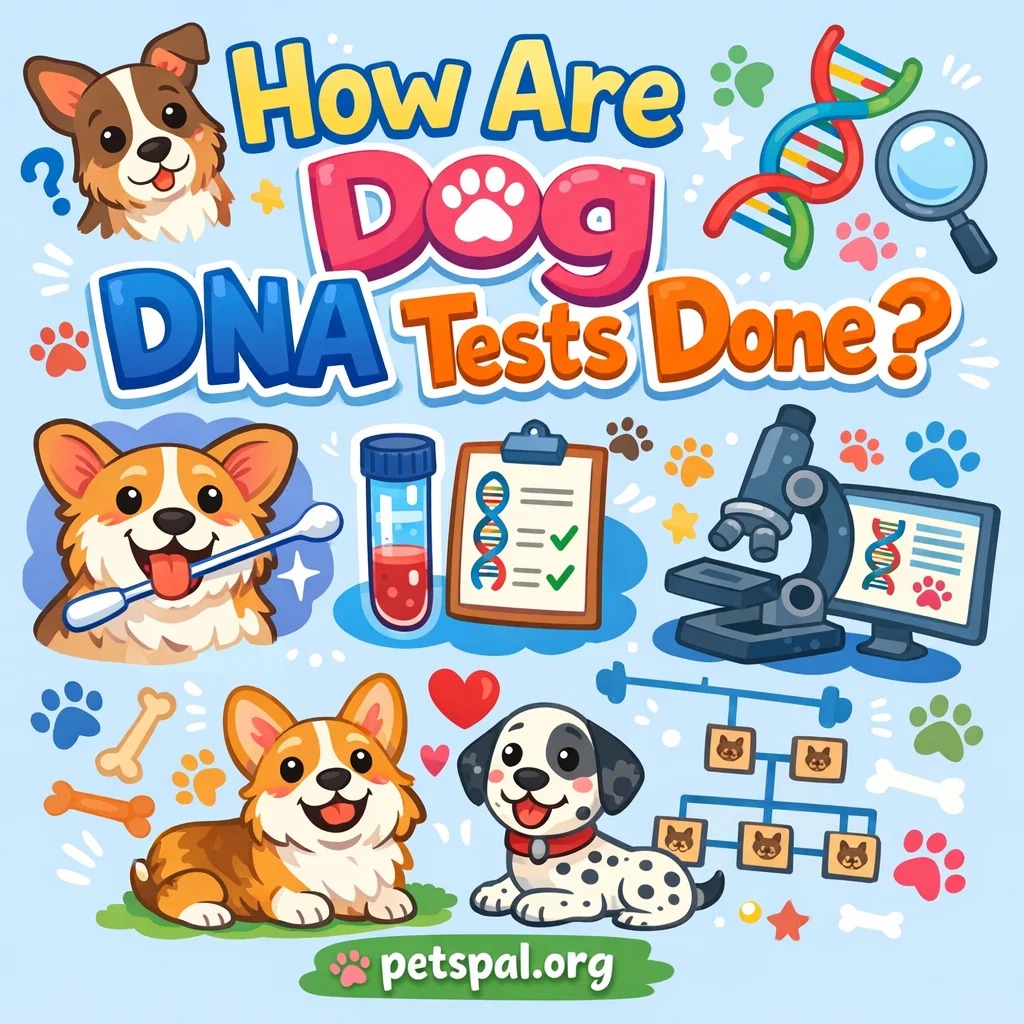
How are dog DNA tests done? Dog DNA tests are done by collecting your dog’s cells (usually with a cheek swab), extracting DNA in a lab, reading thousands of genetic markers, running quality checks, then comparing your dog’s DNA pattern to a breed reference database to estimate ancestry and related traits.
Why this matters: when you understand the process, you’ll know how to collect a clean sample, what the lab is actually measuring, and why “trace breeds” and odd results sometimes show up.
Feature | |||||
|---|---|---|---|---|---|
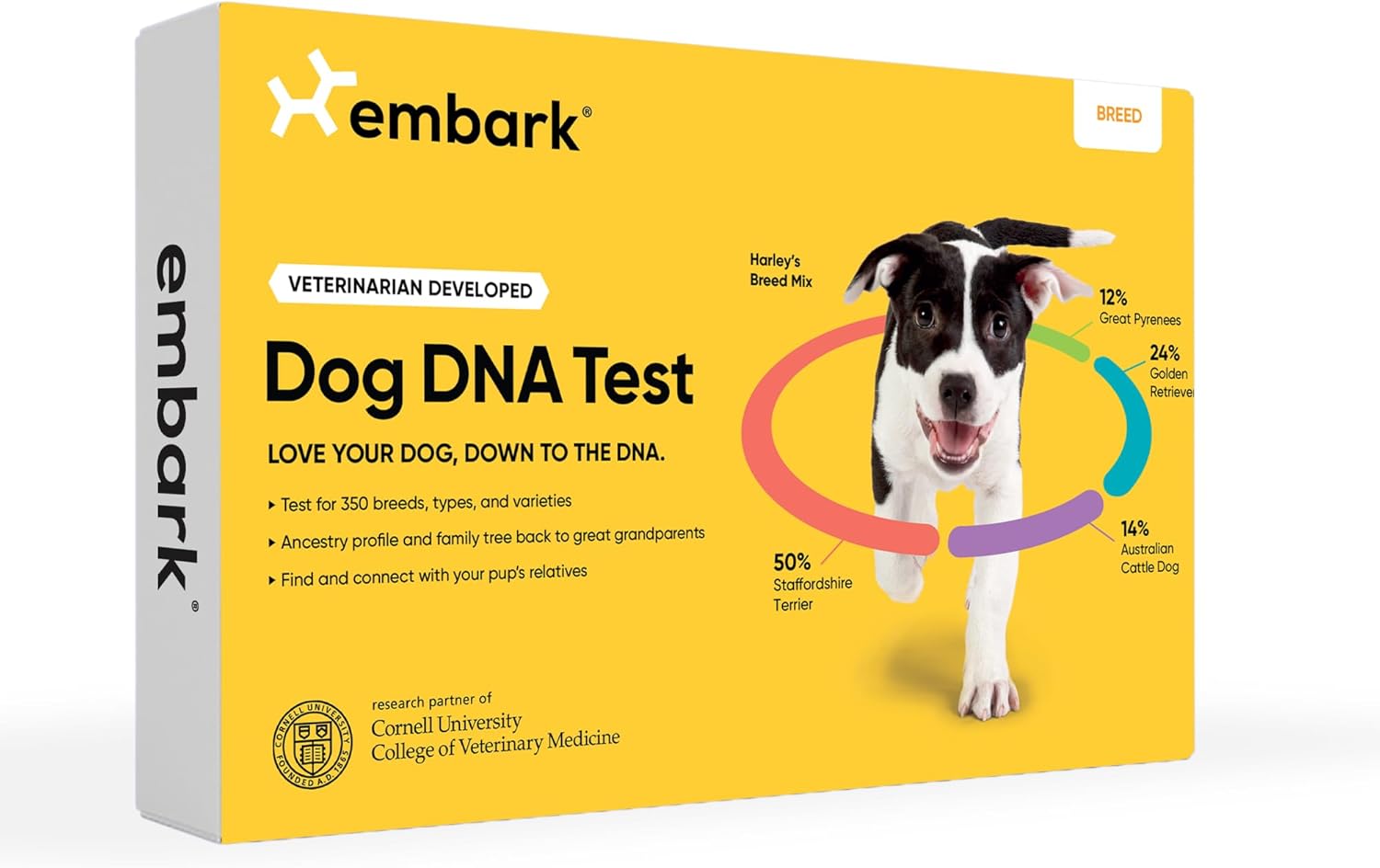 | 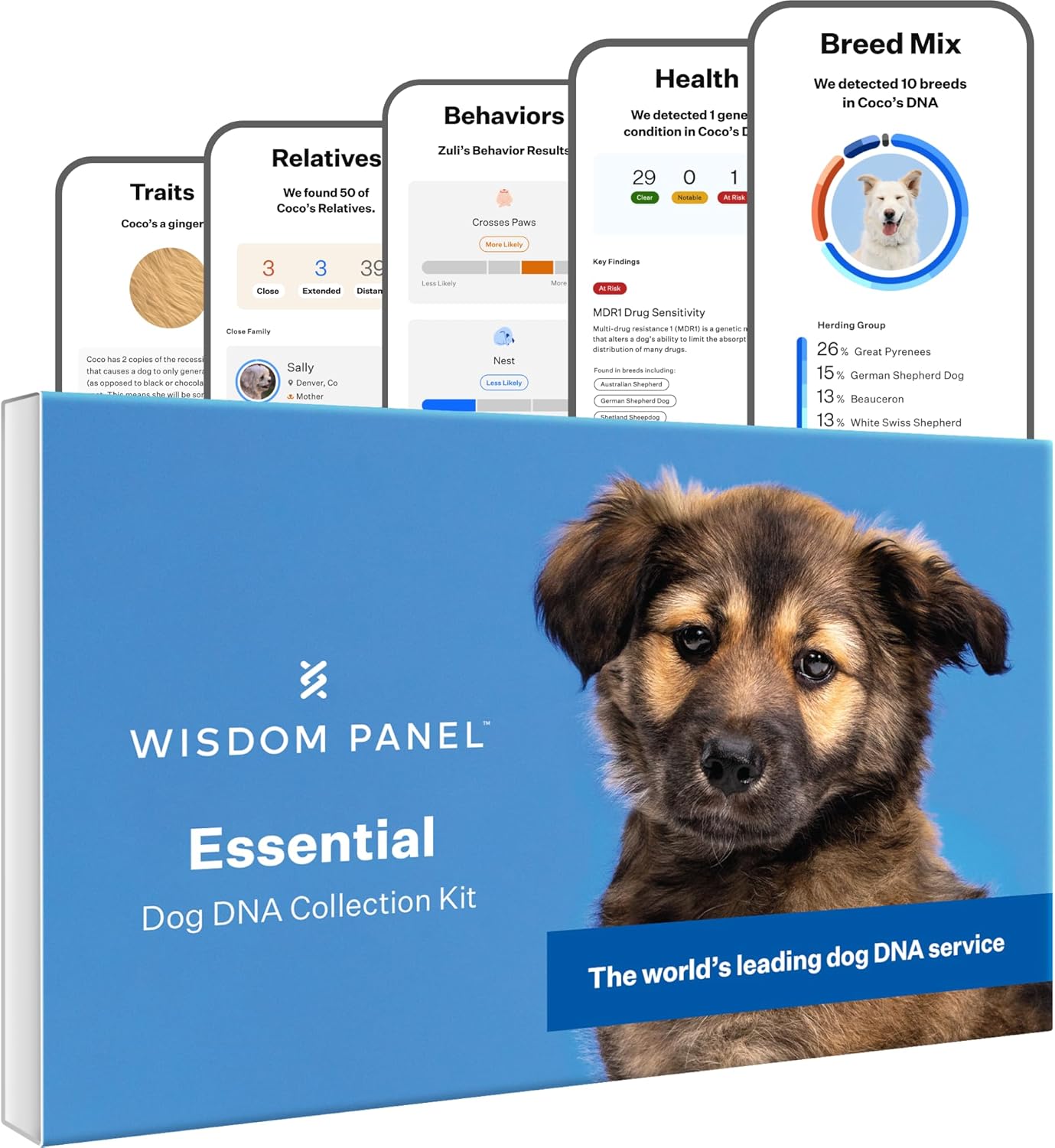 | 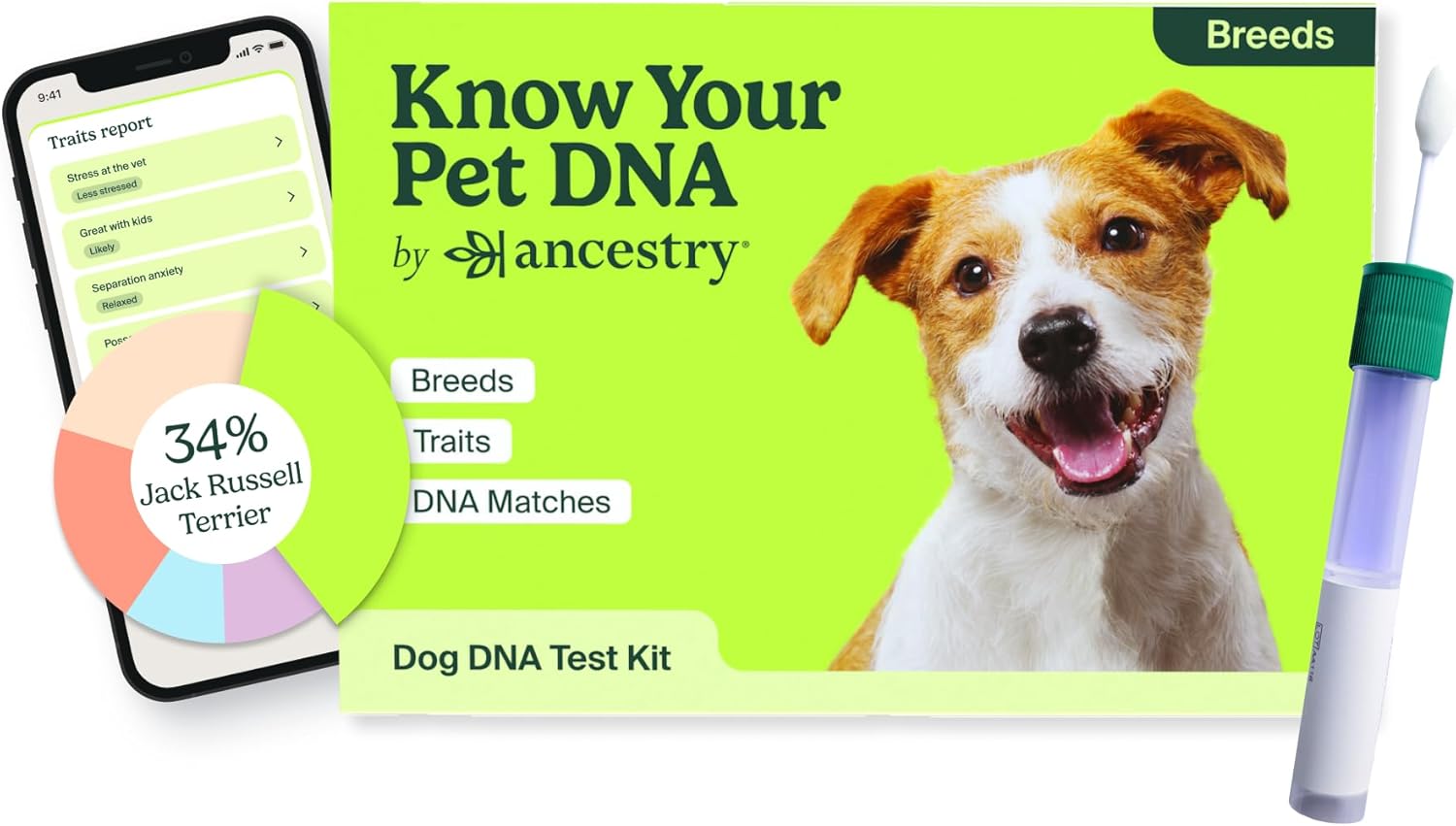 | 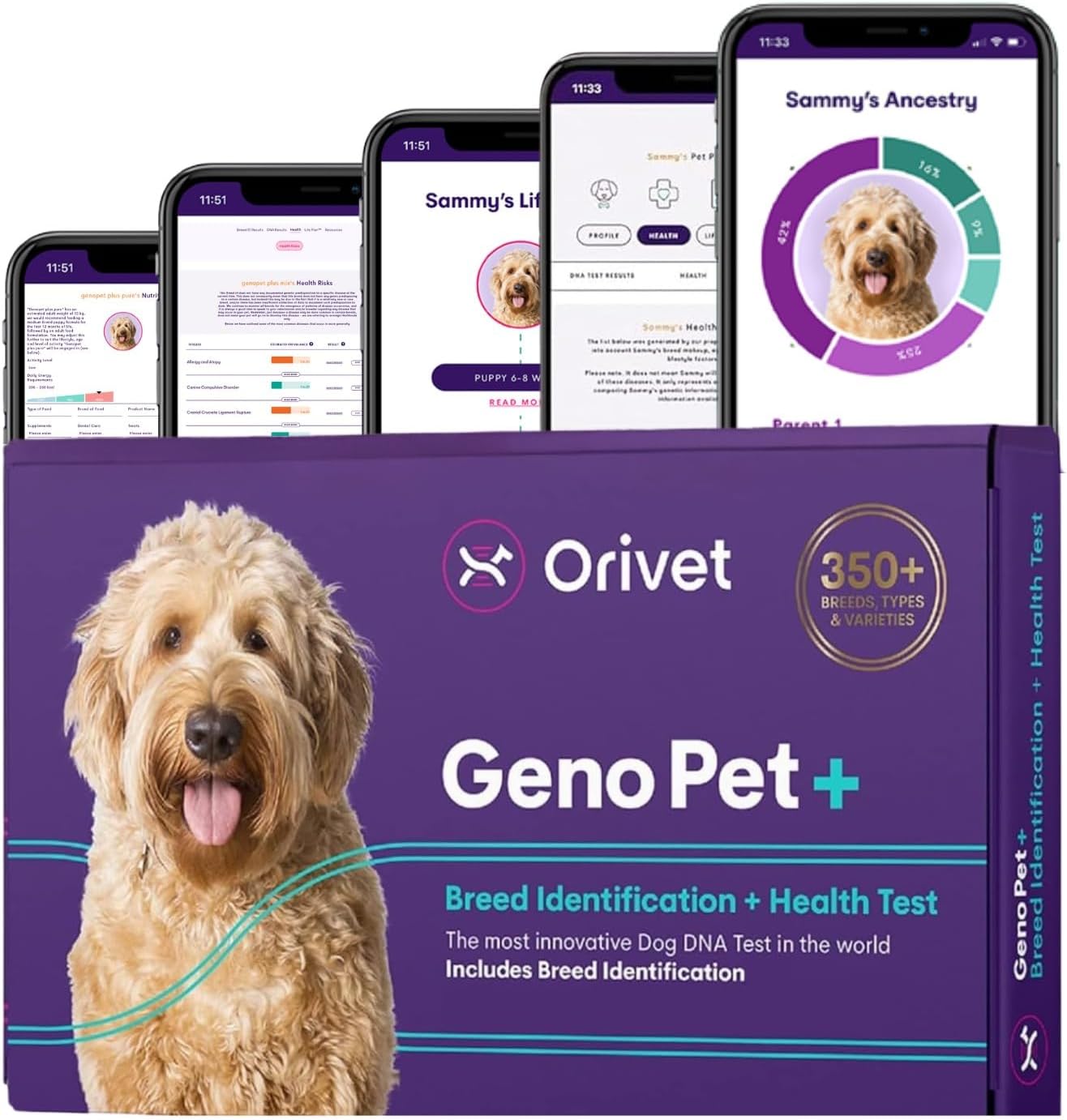 |  | |
Best for | Best overall breed + health | Most detailed all-in-one report | Simplest dashboard experience | Wellness planning style report | Budget-friendly deeper option |
Breed database size | 400+ breeds | 365+ breeds | 400+ breeds | Around 400 breeds | 350+ breeds |
Health screening | 270+ genetic health conditions | 265+ genetic health conditions | 200+ health screenings | Over 200 diseases and traits | “Health concerns” insights (not positioned as a full medical screen) |
Traits and behavior | Traits included | 50+ traits and behavior predispositions | Traits included | Traits and health framing included | Personality traits included |
Relatives matching | Yes | Yes | Matches included | Not the main focus | Not the main focus |
Typical results time | 2–4 weeks | About 3 weeks | 2–4 weeks | Often 2–4 weeks | About 3 weeks (varies by kit) |
Price |  | | | | |
What you do at home
Most pet owners only touch two parts of the process: prep and swab. These two steps can make or break your results.
1) Prep your dog (this is the part people rush)
A veterinary genetics lab recommends:
- No food or water for at least 1 hour before collecting the sample.
- If swabbing puppies, isolate each puppy from mom, littermates, and shared toys for 1 hour, and avoid nursing in that window.
- If you have more than one dog, sample one dog at a time and wash your hands before swabbing the next.
This is mostly about avoiding contamination and collecting enough cheek cells.
2) Swab the inside of the cheek (you want cells, not spit)
What “good swabbing” looks like in real life:
- Lift the lip and swab firmly along the inner cheek and gumline.
- Keep steady pressure for the full time your kit instructs.
- Avoid touching the swab tip with your fingers.
If your dog fights it, do it after a calm moment, not right after play or treats. You want consistent contact, not a wrestling match.
3) Package and mail it correctly
Most issues here are simple:
- Make sure the sample is sealed properly.
- Follow any drying or storage instructions.
- Mail early in the week when possible, so it does not sit in transit over a weekend.
Best dog DNA test kit quick picks
- Best overall: Embark Breed + Health
- Best “everything in one report” alternative: Wisdom Panel Premium
- Best for a big-brand, easy dashboard experience: Know Your Pet DNA by Ancestry
- Best for wellness planning style reporting: Orivet GenoPet Plus
- Best budget-friendly option: DNA My Dog Essential (or Premium if you want deeper extras)
What happens in the lab (the part no one explains clearly)
Once your sample arrives, the lab runs a standardized pipeline that looks a lot like human genotyping workflows.
4) Intake and identity checks
The lab logs your sample, assigns an internal ID, and checks that the sample type matches what they can process. Many labs can accept cheek swabs for dogs, and some can also accept blood or tissue depending on the test.
5) DNA extraction
The lab breaks open the cheek cells and isolates DNA. If the swab did not collect enough cells, the extracted DNA can be too low to run reliably, which may trigger a resample request.
Feature | |||||
|---|---|---|---|---|---|
| | | | | |
Best for | Best overall breed + health | Most detailed all-in-one report | Simplest dashboard experience | Wellness planning style report | Budget-friendly deeper option |
Breed database size | 400+ breeds | 365+ breeds | 400+ breeds | Around 400 breeds | 350+ breeds |
Health screening | 270+ genetic health conditions | 265+ genetic health conditions | 200+ health screenings | Over 200 diseases and traits | “Health concerns” insights (not positioned as a full medical screen) |
Traits and behavior | Traits included | 50+ traits and behavior predispositions | Traits included | Traits and health framing included | Personality traits included |
Relatives matching | Yes | Yes | Matches included | Not the main focus | Not the main focus |
Typical results time | 2–4 weeks | About 3 weeks | 2–4 weeks | Often 2–4 weeks | About 3 weeks (varies by kit) |
Price | | | | | |
6) Reading your dog’s DNA
Most consumer-style dog DNA testing relies on genotyping rather than reading every single “letter” of the genome.
A common method uses microarray technology, where DNA binds to many known probes on a chip, and the system reads signals (often fluorescence-based) to detect which variants are present.
Think of it like checking thousands of signposts across the genome instead of reprinting the entire map.
7) Quality control (QC)
Before a breed report is produced, labs run QC checks to make sure the data is usable:
- Are too many markers missing?
- Does the pattern look biologically plausible?
- Does anything look like contamination?
QC is why a lab can confidently say “we need a new sample” instead of giving you a random-looking result.
8) Breed ancestry inference (this is the “math” step)
To estimate breed, the lab compares your dog’s genotype pattern to a reference panel of dogs used as breed baselines.
This is where two big realities show up:
- Results depend on the strength and coverage of the reference panel.
- If a breed is missing or underrepresented, the algorithm may assign the closest genetic relatives instead.
A large Dog Aging Project cohort found high owner-perceived agreement overall, and when owners disagreed, a common reason was that their dog’s breed was not included in the reference panel.
9) Report generation
Finally, your report is assembled. Depending on the test, this may include:
- Breed mix estimates (often with “segments” or confidence indicators)
- Trait markers (coat, size-related variants)
- Sometimes health-related genetic variants
Veterinary literature notes that direct-to-consumer canine tests commonly use at-home specimen collection (often buccal swabs) and can identify breed ancestry, which is why vets increasingly get asked to interpret results owners bring in.
The “clean sample” checklist (steal this)
Step | Do this | Why it matters |
|---|---|---|
1 hour before | No food or water | Reduces contamination and improves sample quality |
Multi-dog homes | One dog at a time, wash hands between | Prevents mix-ups and cross-contamination |
Puppies | Isolate from mom/littermates, no nursing for 1 hour | Reduces contamination risk |
Swab technique | Firm pressure along cheek and gumline | Collects enough cheek cells for extraction |
After swabbing | Seal and mail as directed | Protects the sample so QC passes |
Common mistakes that cause delays (and how to avoid them)
Mistake: Swabbing right after treats
Fix: wait the full pre-swab window (at least an hour).
Mistake: “Gentle” swabbing
Fix: you need cheek cells. Firm, consistent pressure matters more than speed.
Mistake: Sampling two dogs back-to-back
Fix: sample one dog at a time, wash hands, keep swabs separate.
Mistake: Assuming “delivered” means “processing started”
Fix: labs often have an intake queue before scanning and QC begins.
What “trace breeds” really mean
When a report shows a long list of tiny percentages, it can reflect:
- real distant ancestry,
- close-related breeds blurring together genetically,
- or the reference panel not fully representing a dog’s true background.
Practical rule: the top contributors matter most. Treat tiny percentages as “possible,” not identity-defining.
FAQs: How are dog DNA tests done?
How do you do a dog DNA test at home?
You prep your dog (no food or water for at least an hour), swab the inside of the cheek firmly, then package and mail the sample according to instructions.
Do dog DNA tests use blood?
Many are done with cheek swabs, but some labs can accept blood or tissue depending on the specific test.
Do dog DNA tests hurt?
Cheek swabs should not hurt. Your dog may dislike the handling, but it is non-invasive.
Can you do a dog DNA test on a puppy?
Yes. Some labs note there is no age limit, but recommend waiting until puppies are at least 3 weeks old and isolating them from mom and littermates beforehand to avoid contamination.
How does the lab figure out breed from DNA?
They read thousands of genetic markers (often via microarray genotyping) and compare the pattern to a breed reference database to estimate ancestry.
What happens if the sample is contaminated or low quality?
The lab’s quality control checks may flag it, and you may be asked to resample rather than receiving a low-confidence report.
Other Interesting Articles
- Best Dog DNA Test Kit: Embark vs Wisdom Panel vs Ancestry and More
- Wisdom Panel vs Ancestry: Which Dog DNA Test Should You Buy?
- Wisdom Panel vs DNA My Dog: Which Dog DNA Test Should You Buy?
- Wisdom Panel vs Basepaws: Which Cat DNA Test Should You Buy?
- Wisdom Panel vs Embark: Which Dog DNA Test Should You Buy?
Author
PetsPal creates practical, real-life guides for dog owners who want clear answers and fewer marketing claims. Our goal is to help you make confident decisions that actually improve your dog’s day-to-day life. We answer questions such as “How Are Dog DNA Tests Done?” and help with many other topics that pet owners need to know.
References
- UC Davis Veterinary Genetics Laboratory, dog sample collection guidance.
- NHGRI, microarray technology overview and mechanism.
- Dog Aging Project cohort paper on breed report concordance and reference panel limitations.
- AVMA Journals and PubMed summary on direct-to-consumer canine genetic testing context.
If you remember only one thing about how dog DNA tests are done, remember this: the lab work is sophisticated, but your results start with a clean, well-collected swab.