I'm a participant in the Amazon Services LLC Associates Program, an affiliate advertising program designed to provide a means for me to earn fees by linking to Amazon.com and affiliated sites.
If you’re asking what DNA test dog breeders use, most responsible breeders rely on three buckets of testing: (1) registry DNA profiling and parentage verification, (2) breed club recommended health testing (often tracked through OFA and CHIC), and (3) targeted trait tests when a breed standard or breeding goal makes them relevant.
Why this matters: “dog DNA test” can mean a fun breed mix report, or it can mean the paperwork and medical screening that decides whether a dog should be bred at all. Breeders are usually in the second category.
Feature | |||||
|---|---|---|---|---|---|
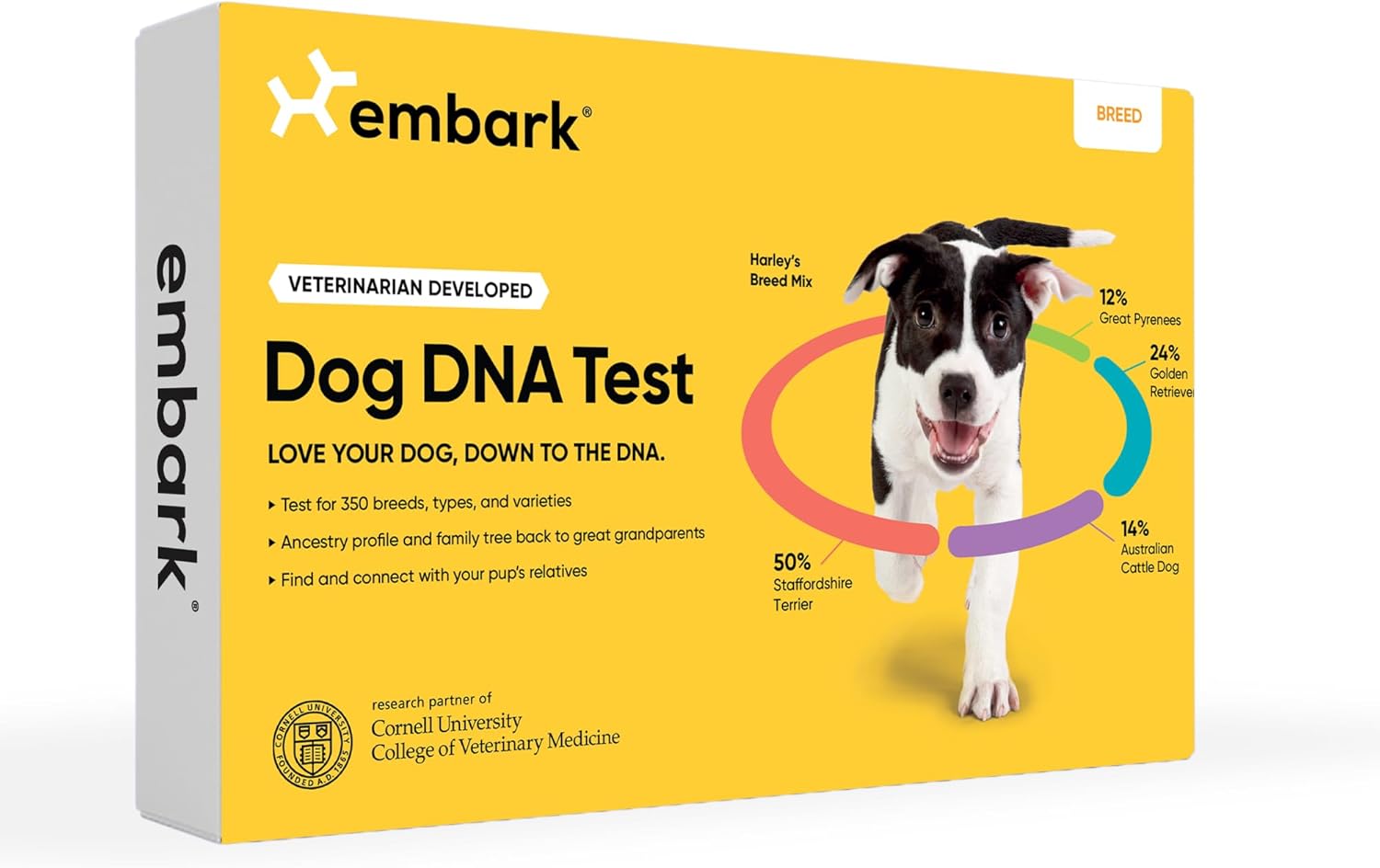 | 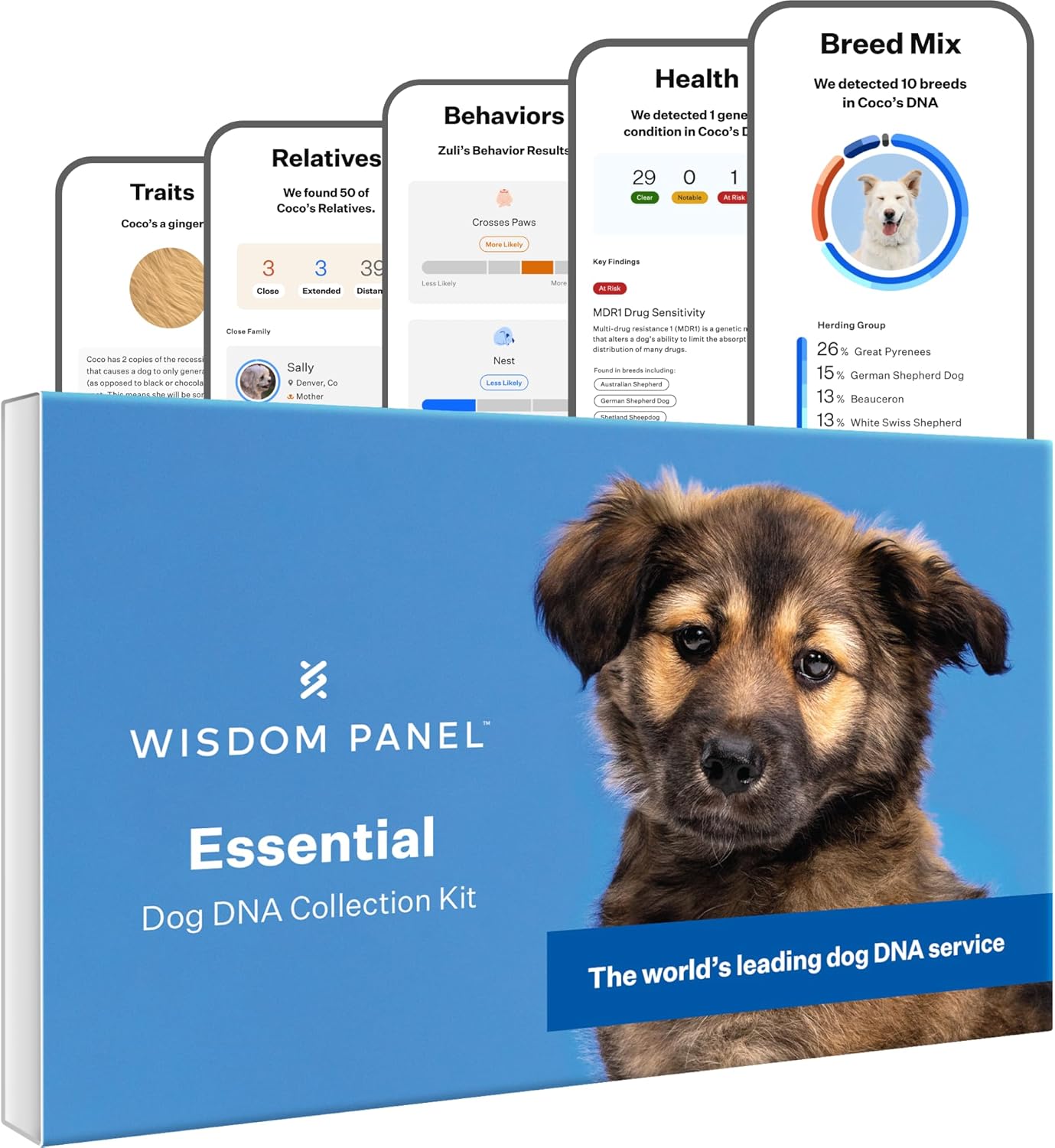 | 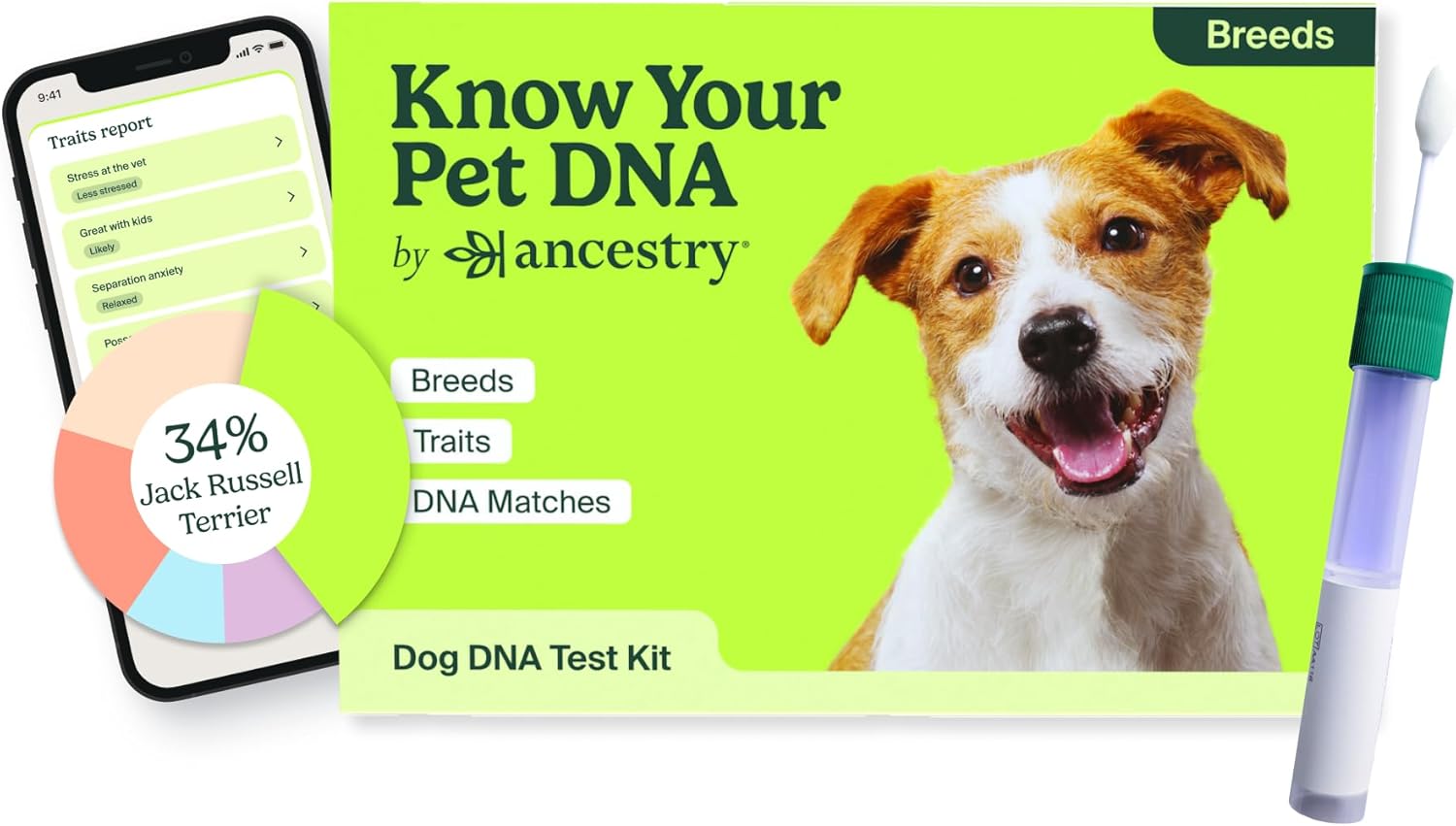 | 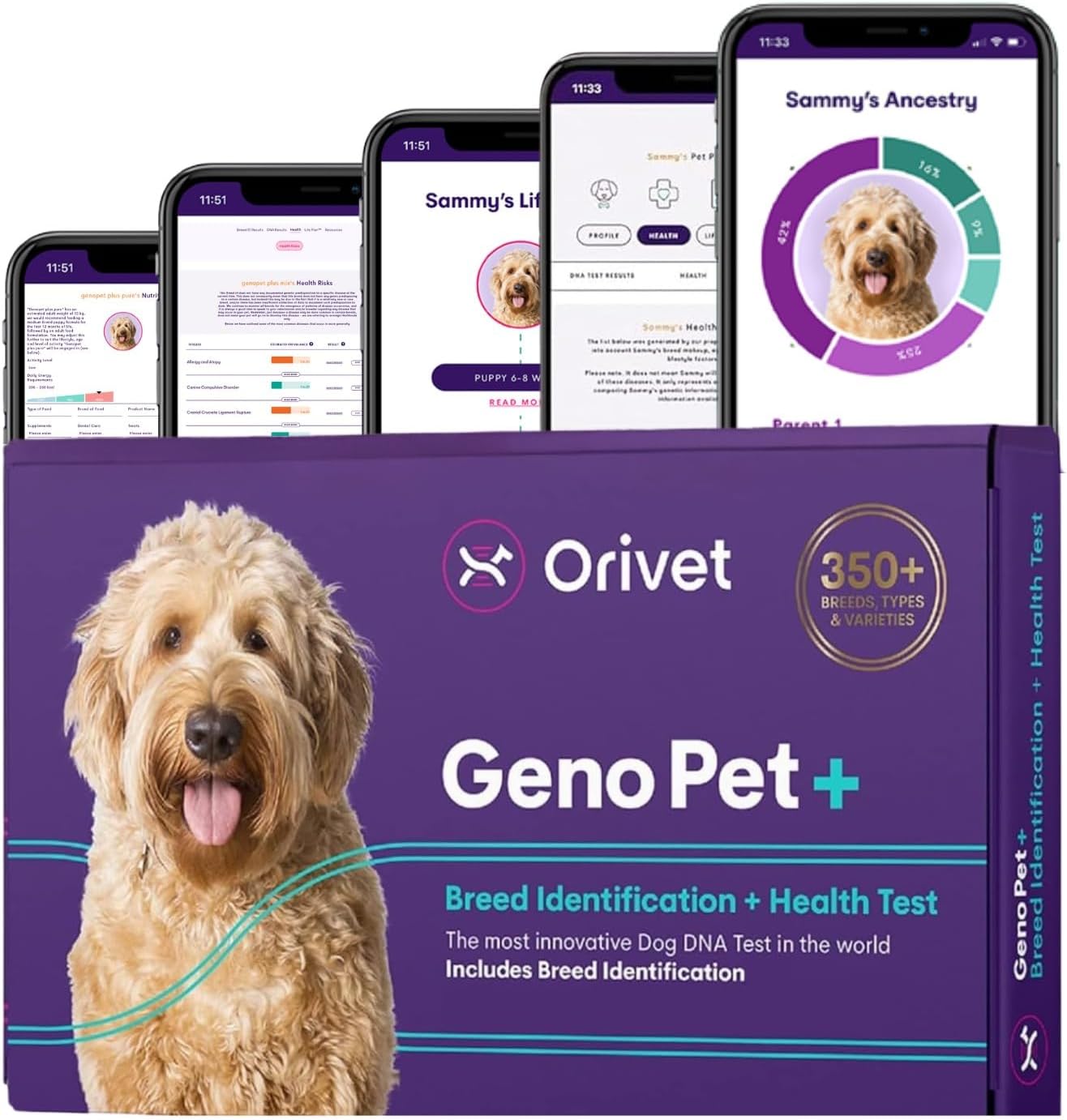 |  | |
Best for | Best overall breed + health | Most detailed all-in-one report | Simplest dashboard experience | Wellness planning style report | Budget-friendly deeper option |
Breed database size | 400+ breeds | 365+ breeds | 400+ breeds | Around 400 breeds | 350+ breeds |
Health screening | 270+ genetic health conditions | 265+ genetic health conditions | 200+ health screenings | Over 200 diseases and traits | “Health concerns” insights (not positioned as a full medical screen) |
Traits and behavior | Traits included | 50+ traits and behavior predispositions | Traits included | Traits and health framing included | Personality traits included |
Relatives matching | Yes | Yes | Matches included | Not the main focus | Not the main focus |
Typical results time | 2–4 weeks | About 3 weeks | 2–4 weeks | Often 2–4 weeks | About 3 weeks (varies by kit) |
Price |  | | | | |
The big misconception: “DNA test” means breed ID
For breeders, a DNA test is usually about identity, parentage, and inherited disease risk, not just “what breeds are in my dog.”
A simple way to think about it:
- Pet owner question: “What is my dog?”
- Breeder question: “Can I prove who this dog is, who the parents are, and reduce inherited risk in the next generation?”
The 3 DNA tests breeders actually use most
1) Registry DNA profiling (identity)
This is the breeder-world version of “show your ID.”
Some registries require DNA profiling in certain situations. For example, the AKC requires an AKC Original DNA Profile for a “Frequently Used Sire,” defined as producing 7 or more litters in a lifetime or more than 3 litters in a calendar year.
Important detail: DNA profiling is for genetic identity and parentage verification, not for health results.
2) Parentage verification (dam, sire, litter)
If you are placing puppies with registration paperwork, parentage is a serious deal.
Parentage testing works by comparing the puppy’s DNA profile to the parents and checking whether the markers match. UC Davis Veterinary Genetics Laboratory describes parentage testing as based on the principle of exclusion, where mismatches exclude a parent and consistent matches support qualification.
The AKC describes parentage verification as comparing dam, sire, and pups, with a stated confidence level greater than 99% when the profiles support the relationship.
3) Breed club recommended health DNA tests (the “responsible breeding” tests)
This is the category that puppy buyers should care about most.
The CHIC program explains that a dog earns CHIC certification when it has been screened for every disease recommended by the parent club for that breed and the results are made publicly available in the database.
Two key points that most people miss:
- A CHIC number does not mean the dog passed everything. It means the required tests were done and disclosed.
- Breed clubs decide what matters for that breed, and CHIC tracks it so buyers can verify.
Also worth noting: some health testing is DNA-based, and some is not (hips, elbows, eyes, cardiac, etc.). Serious breeders do the full set, not just a cheek swab.
Best dog DNA test kit quick picks
- Best overall: Embark Breed + Health
- Best “everything in one report” alternative: Wisdom Panel Premium
- Best for a big-brand, easy dashboard experience: Know Your Pet DNA by Ancestry
- Best for wellness planning style reporting: Orivet GenoPet Plus
- Best budget-friendly option: DNA My Dog Essential (or Premium if you want deeper extras)
What about “breeder programs” and standards?
Breeding programs often tie “responsible” status to doing the parent club recommended health testing.
AKC’s Bred with H.E.A.R.T. program, for example, requires health testing of breeding stock in accordance with parent club recommendations.
That is why you will hear breeders talk about “meeting the breed club list” more than talking about a single DNA brand.
Feature | |||||
|---|---|---|---|---|---|
| | | | | |
Best for | Best overall breed + health | Most detailed all-in-one report | Simplest dashboard experience | Wellness planning style report | Budget-friendly deeper option |
Breed database size | 400+ breeds | 365+ breeds | 400+ breeds | Around 400 breeds | 350+ breeds |
Health screening | 270+ genetic health conditions | 265+ genetic health conditions | 200+ health screenings | Over 200 diseases and traits | “Health concerns” insights (not positioned as a full medical screen) |
Traits and behavior | Traits included | 50+ traits and behavior predispositions | Traits included | Traits and health framing included | Personality traits included |
Relatives matching | Yes | Yes | Matches included | Not the main focus | Not the main focus |
Typical results time | 2–4 weeks | About 3 weeks | 2–4 weeks | Often 2–4 weeks | About 3 weeks (varies by kit) |
Price | | | | | |
How breeders choose which DNA health tests to run (without guessing)
Here’s the breeder-style workflow that works across breeds:
Step 1: Start with the parent club list
Your breed’s parent club is usually the source of truth for what to test and when. CHIC is built around that concept.
Step 2: Confirm what counts as “required” for CHIC in that breed
CHIC numbers are issued when the breed specific requirements are met and the owner opts to release results publicly. Many clubs also note permanent identification is required for CHIC records.
Step 3: Decide what to do with “carrier” results
Carriers are not always “remove from breeding forever.”
Responsible breeding often means pairing in a way that avoids affected puppies while maintaining genetic diversity. The key is transparency and planning, not hiding results.
Step 4: Keep results public and easy to verify
OFA explicitly encourages releasing results into the public domain because it supports breed health and improves the usefulness of databases for research and pedigree analysis.
The sample collection basics breeders follow (because bad samples waste time)
Most breeder-used genetic tests still start with a simple cheek swab.
UC Davis VGL notes that dog DNA testing commonly uses cells brushed from the cheeks and gums, and they recommend waiting until puppies are at least three weeks old before testing.
If you are testing a whole litter, contamination control matters. The cleanest approach is one puppy at a time, clean hands, and no shared surfaces.
If you’re buying a puppy: what to ask your breeder (copy/paste)
If you only ask one thing, ask this:
“Can you show me the parent club recommended health tests for both parents, with results publicly listed?”
Then ask:
- “Do the parents have a CHIC number, and are the results publicly available?”
- “Were any DNA health tests done, and what were the results?”
- “If a parent is a carrier, what was your breeding plan to prevent affected puppies?”
- “Do you do parentage verification or registry DNA profiling when required?”
Red flag: a breeder who says “We did a DNA test” but cannot name the actual health screenings or show public results.
Quick glossary (so breeder conversations make sense)
DNA profile: Identity markers used for parentage and verification, not health.
Parentage verification: Confirms whether a pup matches a stated dam and sire.
CHIC number: Proof the recommended screenings were completed and made public, not proof everything is normal.
FAQs: What DNA Test Do Dog Breeders Use?
Do breeders use the same DNA tests pet owners use?
Usually no. Breeders most often prioritize registry DNA profiling, parentage verification, and breed club recommended health screening, because those affect registration integrity and breeding decisions.
Do all breeders have to do DNA testing?
Not all breeders. Some registries require it in specific cases. For example, the AKC requires DNA profiling for Frequently Used Sires based on litter counts.
Is a CHIC number the same as a “passing score”?
No. CHIC commonly means the required tests were done and released publicly. It does not automatically mean every result was normal.
What DNA test proves a puppy’s parents?
Parentage verification. It compares the puppy’s DNA markers to the dam and sire and checks whether the markers match.
When can puppies be DNA tested?
Many labs accept cheek swabs, and UC Davis VGL recommends waiting until puppies are at least three weeks old before testing.
Why do breeders make results public?
OFA encourages public release because it supports breed health, research, and better pedigree analysis.
Other Interesting Articles
- Best Dog DNA Test Kit: Embark vs Wisdom Panel vs Ancestry and More
- Wisdom Panel vs Ancestry: Which Dog DNA Test Should You Buy?
- Wisdom Panel vs DNA My Dog: Which Dog DNA Test Should You Buy?
- Wisdom Panel vs Basepaws: Which Cat DNA Test Should You Buy?
- Wisdom Panel vs Embark: Which Dog DNA Test Should You Buy?
About the Author
PetsPal helps pet parents make smarter decisions with practical guides, clear comparisons, and real-world advice that keeps your dog’s wellbeing first. From “What DNA Test Do Dog Breeders Use?” to other common questions for dog and cat owners, we help pet owners of all types better care for their furry friends.
References
- AKC: Frequently Used Sires DNA profiling requirement
- AKC: DNA profiling is for identity and parentage, not health
- AKC: DNA database parentage verification description and confidence
- OFA: CHIC program overview and breeder guidance on public results
- Breed club CHIC explanation (what a CHIC number means and disclosure requirements)
- UC Davis VGL: parentage testing principle and dog sample collection guidance
Bottom line: if you’re trying to learn what DNA test dog breeders use, think in systems, not brands. Breeders use identity and parentage DNA, plus breed club driven health screening, because those are the tests that actually protect the next litter.