I'm a participant in the Amazon Services LLC Associates Program, an affiliate advertising program designed to provide a means for me to earn fees by linking to Amazon.com and affiliated sites.
If you’re asking how reliable dog DNA tests are, here’s my quick verdict: they’re usually solid for big-picture breed ancestry (especially for purebreds and “main mix” breeds), but they get shakier with tiny percentage breeds, rare breeds, and anything claiming to predict your dog’s behavior.
Why this matters: people make real decisions off these reports. Training expectations, housing rules, insurance questions, and health anxiety can all get stirred up by one confusing line in a DNA result.
Feature | |||||
|---|---|---|---|---|---|
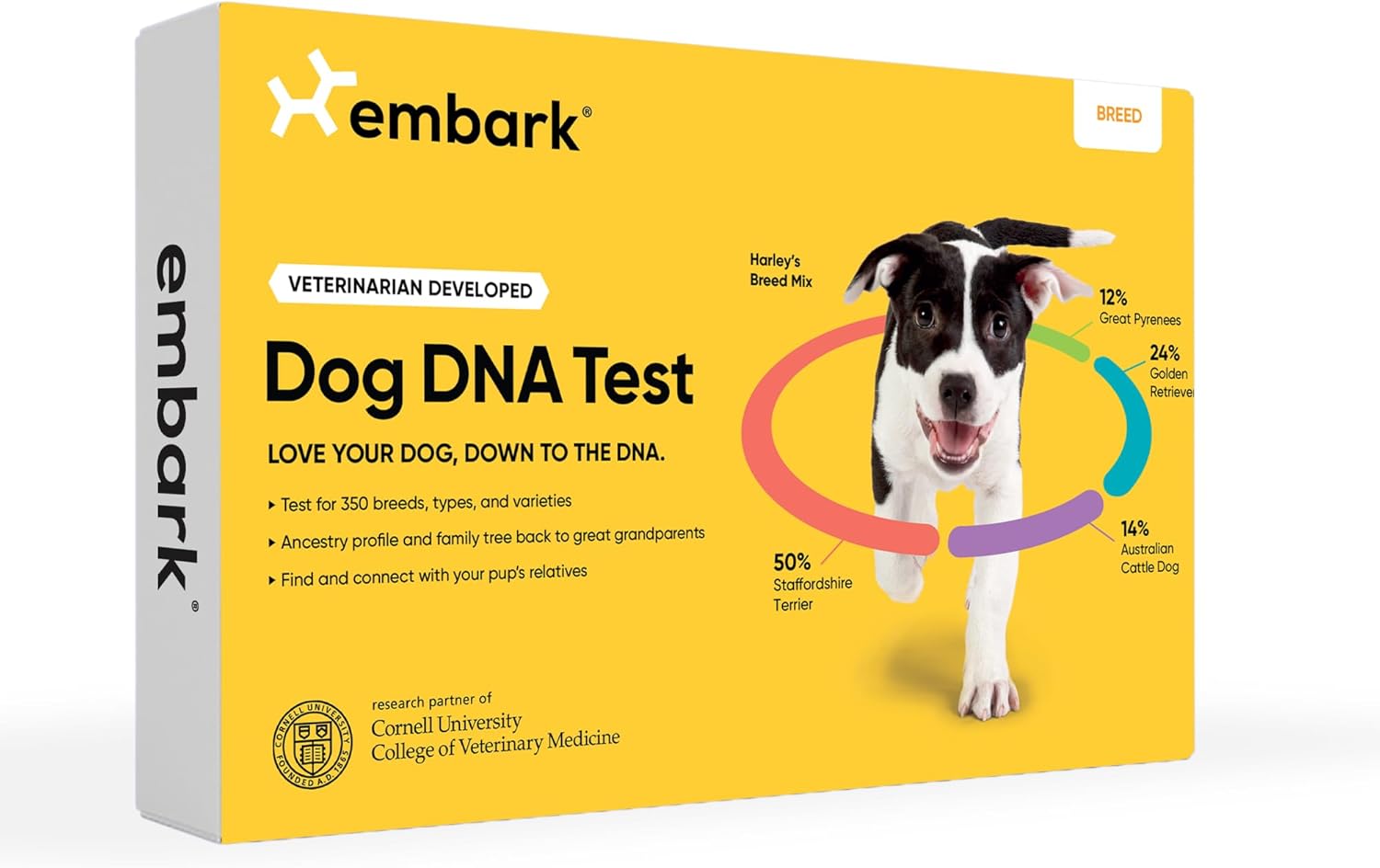 | 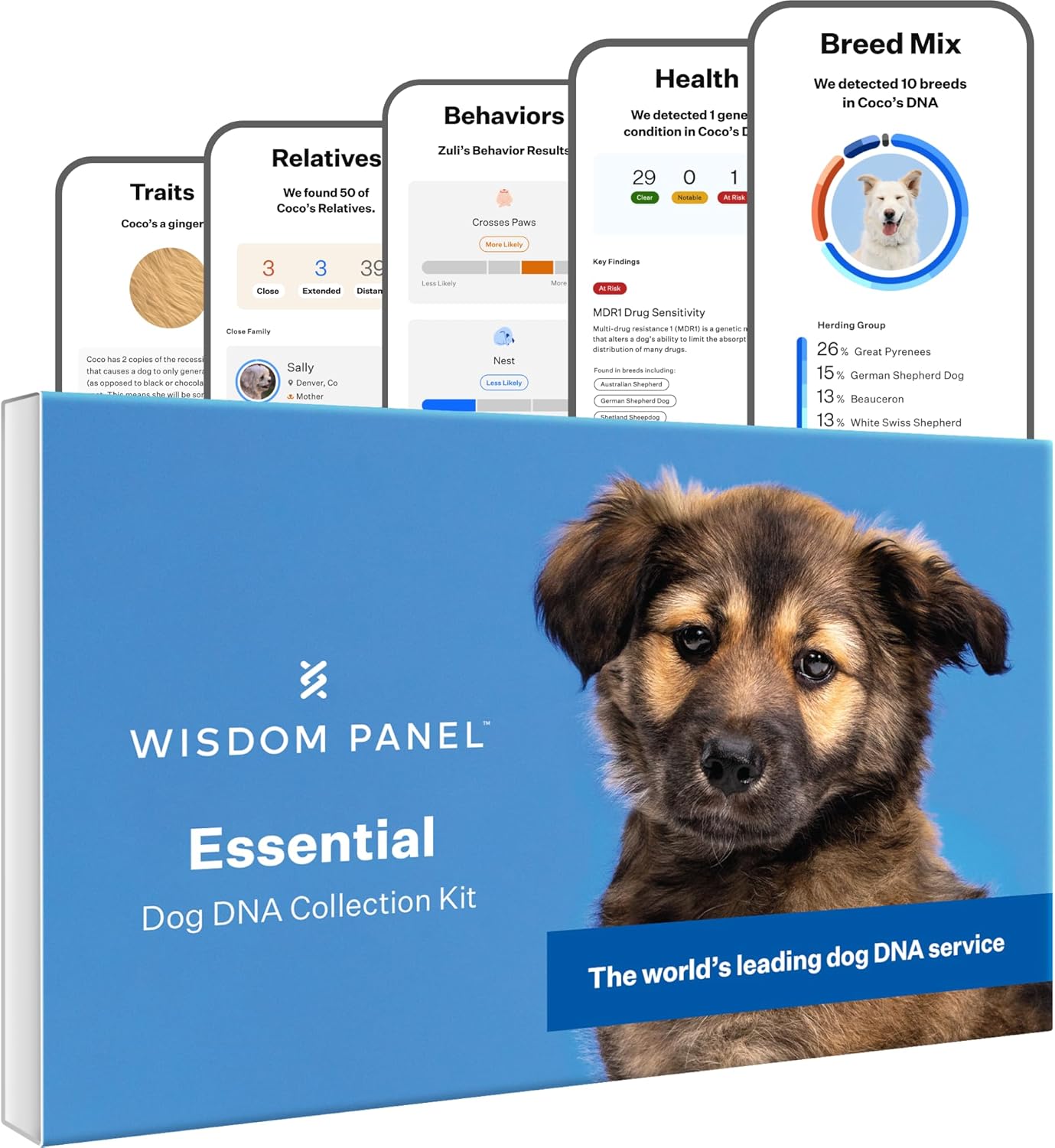 | 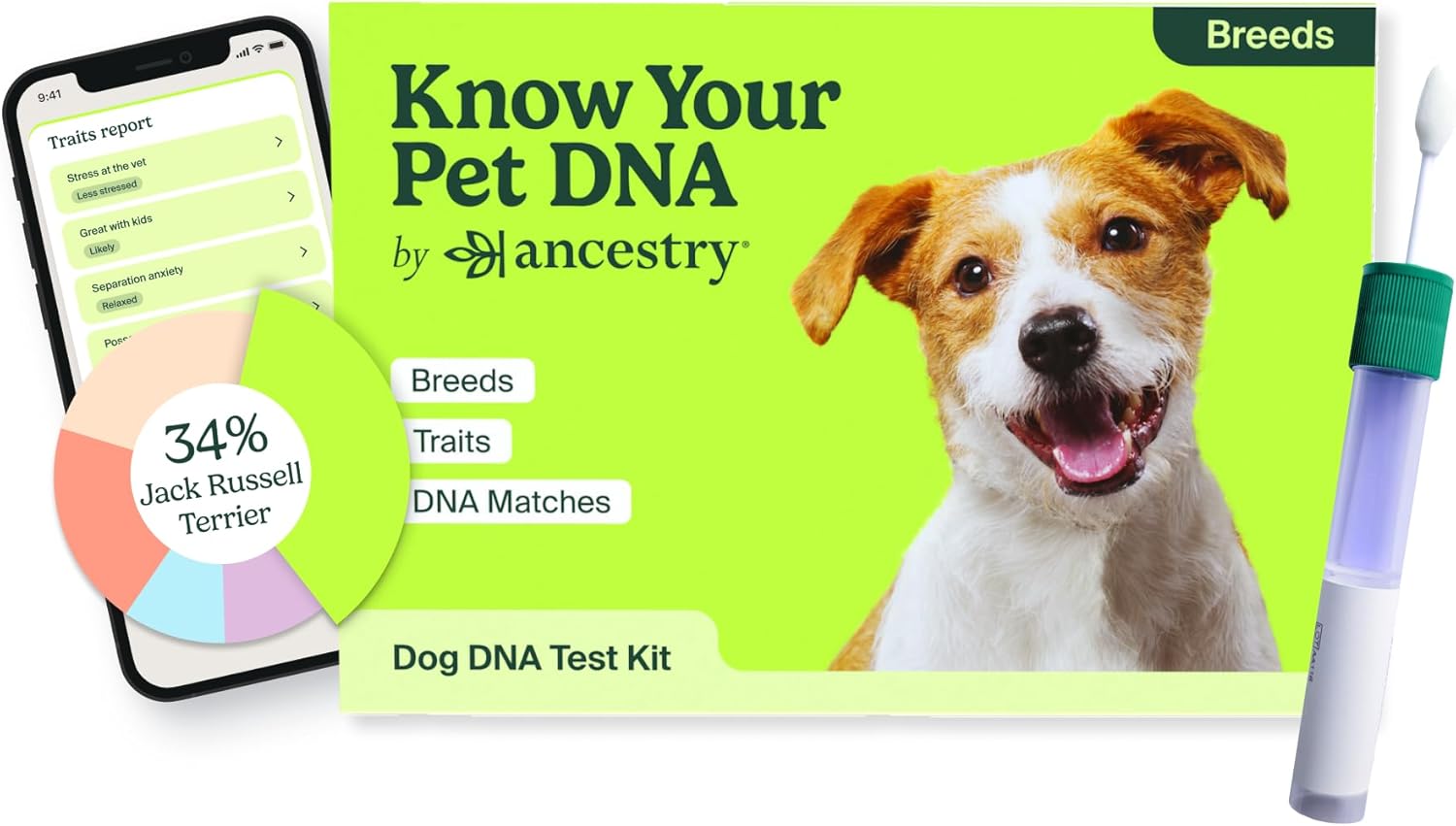 |  |  | |
Best for | Best overall breed + health | Most detailed all-in-one report | Simplest dashboard experience | Wellness planning style report | Budget-friendly deeper option |
Breed database size | 400+ breeds | 365+ breeds | 400+ breeds | Around 400 breeds | 350+ breeds |
Health screening | 270+ genetic health conditions | 265+ genetic health conditions | 200+ health screenings | Over 200 diseases and traits | “Health concerns” insights (not positioned as a full medical screen) |
Traits and behavior | Traits included | 50+ traits and behavior predispositions | Traits included | Traits and health framing included | Personality traits included |
Relatives matching | Yes | Yes | Matches included | Not the main focus | Not the main focus |
Typical results time | 2–4 weeks | About 3 weeks | 2–4 weeks | Often 2–4 weeks | About 3 weeks (varies by kit) |
Price |  | | | | |
Reliability depends on what you’re asking the test to do
Most pet parents assume “reliable” means “it tells me my dog’s breed and health risks perfectly.”
In reality, dog DNA testing has different jobs, and they don’t all perform equally well:
- Breed ancestry (major breeds): often the most dependable use-case.
- Breed ancestry (tiny percentages): the most misunderstood and most likely to change across updates.
- Health markers for single-gene conditions: can be useful, but still needs vet interpretation.
- Behavior or personality predictions: this is where reliability drops fast.
A major 2025 paper looking specifically at consumer-marketed behavior genetics found no predictive power for candidate behavior variants, and emphasized that behavior is complex, polygenic, and heavily shaped by environment.
The “3 kinds of reliability” you actually care about
When a report surprises you, it helps to separate three ideas:
- Lab reliability (did they read the DNA correctly?)
This is usually strong when the sample quality is good. - Database reliability (do they have enough reference dogs?)
If a breed (or regional subtype) is missing or underrepresented, the result can drift toward “closest match.” - Interpretation reliability (does the result mean what you think it means?)
This is where most people get tripped up, especially with small percentages and “traits.”
Best dog DNA test kit quick picks
- Best overall: Embark Breed + Health
- Best “everything in one report” alternative: Wisdom Panel Premium
- Best for a big-brand, easy dashboard experience: Know Your Pet DNA by Ancestry
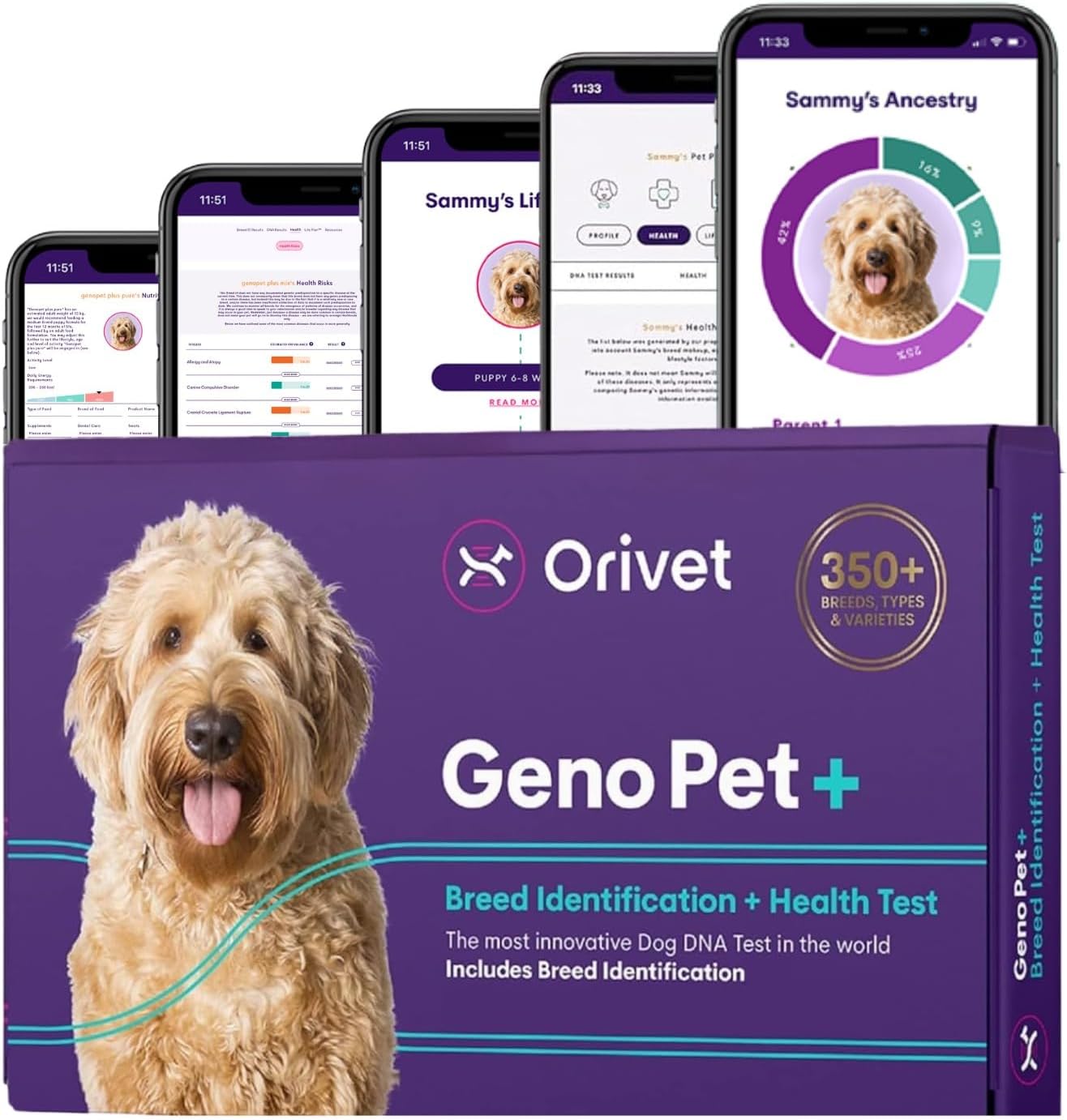
- Best for wellness planning style reporting: Orivet GenoPet Plus
- Best budget-friendly option: DNA My Dog Essential (or Premium if you want deeper extras)
The Reliability Ladder (bookmark this)
Here’s the simplest way to think about what tends to be dependable vs. what deserves skepticism.
What the report claims | How reliable is it usually? | What to do with it |
|---|---|---|
“Your dog is a single breed (purebred-level ancestry)” | High, when reference data is strong | Treat as likely accurate, especially if pedigree history exists |
“Your dog is mostly Breed A and Breed B” | Generally good | Use it as a practical guide for size, coat type, and some health screening conversations |
“Your dog has a long list of small-percentage breeds” | Mixed | Focus on the top contributors, be cautious with “trace” breeds |
“Your dog’s breed based on appearance alone” | Often wrong | Don’t use visuals as a truth test; use them as a clue at best |
“Your dog has a ‘gene for behavior X’” | Low | Treat as entertainment, not destiny |
Shelter research has shown how hard breed identification is even for trained staff: they could often match one breed in a dog’s ancestry, but agreement dropped sharply when trying to identify multiple breeds.
Feature | |||||
|---|---|---|---|---|---|
| | | | | |
Best for | Best overall breed + health | Most detailed all-in-one report | Simplest dashboard experience | Wellness planning style report | Budget-friendly deeper option |
Breed database size | 400+ breeds | 365+ breeds | 400+ breeds | Around 400 breeds | 350+ breeds |
Health screening | 270+ genetic health conditions | 265+ genetic health conditions | 200+ health screenings | Over 200 diseases and traits | “Health concerns” insights (not positioned as a full medical screen) |
Traits and behavior | Traits included | 50+ traits and behavior predispositions | Traits included | Traits and health framing included | Personality traits included |
Relatives matching | Yes | Yes | Matches included | Not the main focus | Not the main focus |
Typical results time | 2–4 weeks | About 3 weeks | 2–4 weeks | Often 2–4 weeks | About 3 weeks (varies by kit) |
Price | | | | | |
Why different dog DNA tests can disagree (even on the same dog)
If you’ve ever seen one report say “Breed A-heavy” and another say something totally different, here are the usual reasons:
1) Their reference panels are not the same
If a company doesn’t have a breed in its database, it may “best-guess” a close relative. Even in a large Dog Aging Project cohort, disagreement was often tied to breeds not being in the panel.
2) They use different thresholds for reporting
One company might report a long list of small contributions. Another might collapse them or label them as “unassigned.”
3) The algorithm is trying to solve a messy family tree
Many mixed-breed dogs have ancestry from a large number of breeds at small fractions. That makes the “tail end” of the report inherently uncertain.
4) Sample quality issues are real
Not enough cheek cells, contaminated swabs, or mixing dogs in a multi-dog home can muddy results.
5) “Photo influence” is a real red flag
A University of Colorado research group tested multiple direct-to-consumer services and found at least one case where results appeared to align more with an uploaded photo than the DNA sample, which is exactly what you do not want from genetics.
Tip: A breed result should be driven by DNA. A photo should never be necessary for the genetics to “work.”
How to make your dog’s DNA test more reliable (before you mail it)
This is the boring part that saves you the biggest headaches later.
Step-by-step swab rules that matter
A veterinary genetics lab’s guidance is simple and strict:
- No food or water for at least 1 hour before sampling
- If you have multiple dogs, sample one at a time and wash hands between dogs
- For puppies, isolate from mom/littermates and avoid nursing for the hour before swabbing
Common swab mistakes that quietly wreck results
- Swabbing too fast or too gently
- Letting the dog lick the swab
- Taking samples right after treats
- Touching the swab tip with your fingers
- Doing multiple dogs back-to-back without handwashing
How to read your results like a sane person
Start with the top of the report
Your dog’s top one to three contributors are usually the most actionable part.
That is where you get useful clues about:
- adult size range
- coat type and shedding expectations
- body shape and orthopedic risk conversations
Treat “trace breeds” as tentative
When a report lists a long tail of small percentages, it can reflect:
- real distant ancestry,
- database gaps,
- or statistical noise that shifts when the company updates its model.
If you want a practical rule: don’t build training expectations, housing plans, or breed-label decisions around the tiniest slivers.
Do not use breed results to predict personality
Breed can correlate with some tendencies at a population level, but individual dog behavior is not reliably predictable from a few genetic variants, and environment plays a huge role.
What to do when a DNA result feels “wrong”
Here’s a calm way to handle it without spiraling.
1) Ask: “Could this be a database issue?”
If the breed you expected is uncommon, regional, or not well-represented, “closest relative” assignments can happen.
2) Look for consistency at the top
Even when companies disagree, they often overlap on the main contributors.
3) Re-test only if the stakes are real
If this affects:
- housing
- insurance
- a major health decision
…then it can be worth doing a second test from a different lab and comparing overlap in the top results.
4) For health flags, treat the report as a conversation starter
Genetic risk is not the same as diagnosis. Share the report with your vet, especially if it suggests a condition with clear screening or prevention pathways.
Quick reality check: how do these tests work?
Most consumer tests rely on genotyping (often via microarray-style “chips”) rather than sequencing every letter of your dog’s genome.
Microarray technology works by testing lots of known genetic markers efficiently, which is powerful, but still depends on what markers are included and how they’re interpreted.
That’s why:
- databases matter,
- breed coverage matters,
- and interpretation rules matter.
FAQ: How Reliable Are Dog DNA Tests?
Are dog DNA tests accurate for mixed breeds?
They can be accurate for the main mix, but reliability tends to drop as the report gets into long lists of small-percentage breeds, especially when reference data is limited for certain lineages.
Why do dog DNA tests give different results?
Different companies use different reference panels, different algorithms, and different reporting thresholds. In some cases, research has raised concerns that photos may influence outputs, which should never happen in a DNA-based result.
Can dog DNA tests predict behavior or aggression?
Not reliably. A 2025 study evaluating marketed behavior genetics found no predictive power for candidate behavior variants and emphasized behavior’s complexity and environmental influence.
How often is visual breed identification wrong?
It’s frequently wrong, especially for multi-breed mixes. Shelter research comparing visual labels to genetic testing showed that agreement dropped sharply when staff tried to identify more than one breed in a dog’s ancestry.
What should I do if my dog’s DNA test says a “surprising” breed?
Focus on the top contributors, consider database limitations, and don’t overreact to trace results. If the result affects housing, insurance, or a medical plan, consider a second test and discuss health flags with your vet.
How can I make sure I collect a good DNA sample?
Follow the basics: no food or water for an hour before swabbing, avoid cross-contamination in multi-dog homes, and isolate puppies beforehand.
Other Interesting Articles
- Best Dog DNA Test Kit: Embark vs Wisdom Panel vs Ancestry and More
- Wisdom Panel vs Ancestry: Which Dog DNA Test Should You Buy?
- Wisdom Panel vs DNA My Dog: Which Dog DNA Test Should You Buy?
- Wisdom Panel vs Basepaws: Which Cat DNA Test Should You Buy?
- Wisdom Panel vs Embark: Which Dog DNA Test Should You Buy?
About the Author
PetsPal helps pet parents make smarter decisions with practical guides, clear comparisons, and real-world advice that keeps your dog’s wellbeing first. We offer assistance with practical articles about “How Reliable Are Dog DNA Tests?” and many other subjects for pet owners.
References
- Dog Aging Project cohort paper on owner-reported vs genetic breed concordance (Scientific Reports, 2025).
- Shelter dog breed identity study comparing visual labels to genetic breed heritage (2018).
- University of Colorado reporting on photo influence concerns in some direct-to-consumer dog DNA testing workflows (2023).
- PNAS paper on genetic testing predicting appearance but not behavior in dogs (2025).
- UC Davis Veterinary Genetics Laboratory dog cheek swab collection guidance.
- NHGRI explainers on DNA microarray technology.