I'm a participant in the Amazon Services LLC Associates Program, an affiliate advertising program designed to provide a means for me to earn fees by linking to Amazon.com and affiliated sites.
What is the downside of DNA testing? In real life, the biggest downsides are misinterpretation, uneven accuracy for complex ancestry, overconfident health or behavior takeaways, and data and transparency gaps. The test itself is not the problem. It’s how people use the results.
If you treat DNA results like a starting point and run them through your vet’s brain, DNA testing can be genuinely useful. UC Davis puts it bluntly: animal genetic testing is powerful, but misinterpretation is a common pitfall, and direct-to-consumer animal genetic testing is not regulated the way many people assume.
Feature | |||||
|---|---|---|---|---|---|
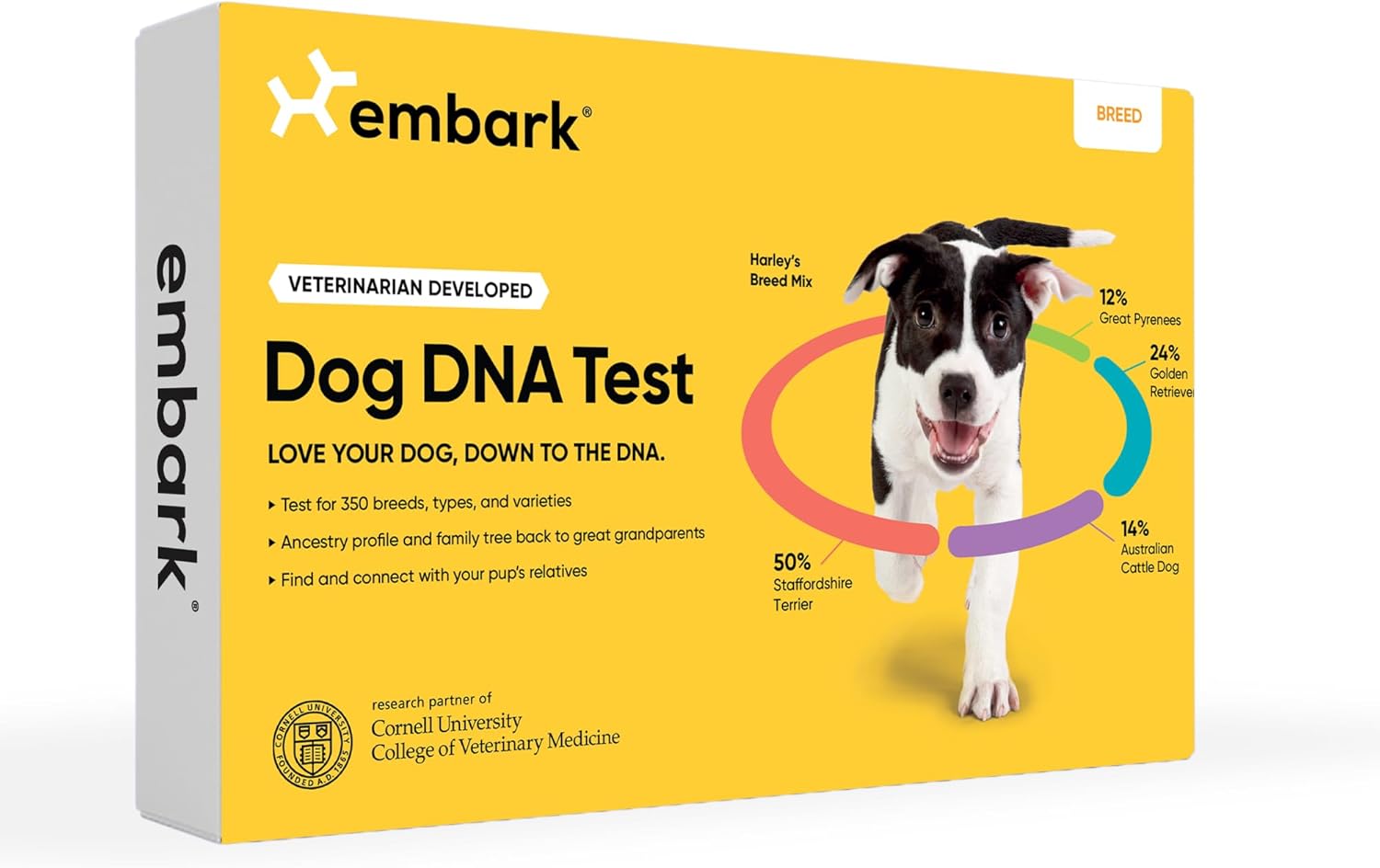 | 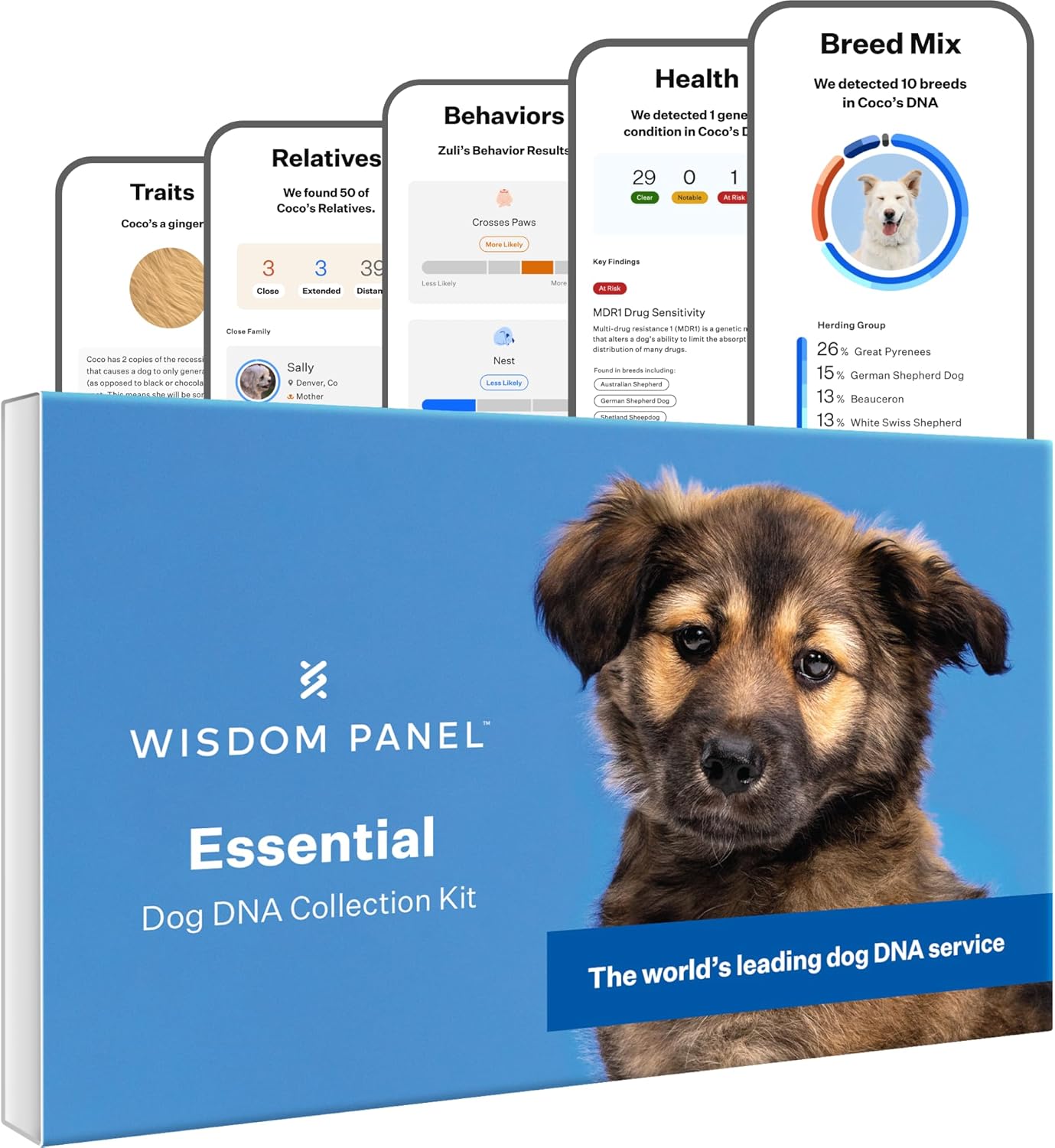 | 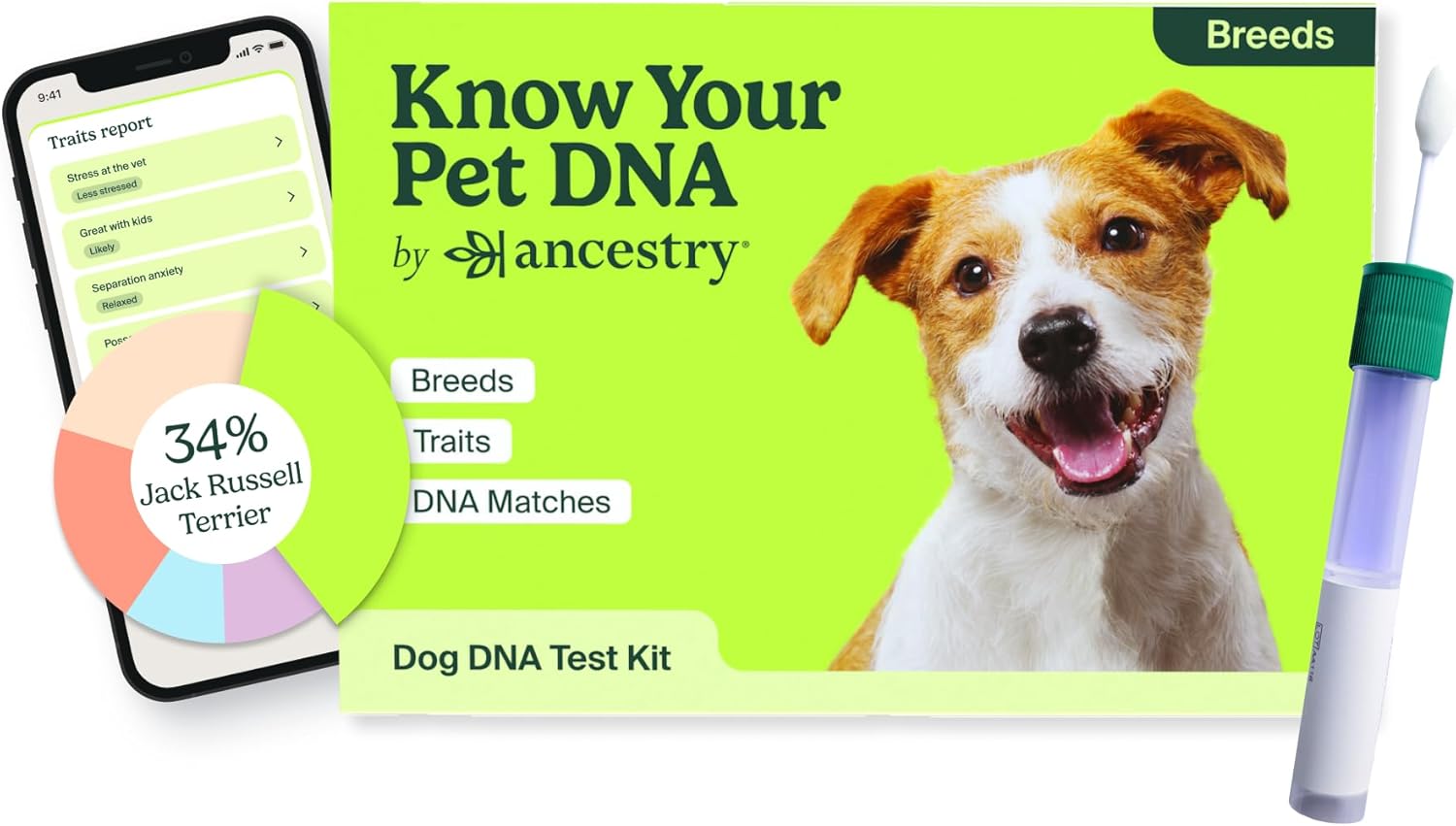 |  |  | |
Best for | Best overall breed + health | Most detailed all-in-one report | Simplest dashboard experience | Wellness planning style report | Budget-friendly deeper option |
Breed database size | 400+ breeds | 365+ breeds | 400+ breeds | Around 400 breeds | 350+ breeds |
Health screening | 270+ genetic health conditions | 265+ genetic health conditions | 200+ health screenings | Over 200 diseases and traits | “Health concerns” insights (not positioned as a full medical screen) |
Traits and behavior | Traits included | 50+ traits and behavior predispositions | Traits included | Traits and health framing included | Personality traits included |
Relatives matching | Yes | Yes | Matches included | Not the main focus | Not the main focus |
Typical results time | 2–4 weeks | About 3 weeks | 2–4 weeks | Often 2–4 weeks | About 3 weeks (varies by kit) |
Price |  | | | | |
Quick takeaways (so you don’t waste money or worry)
- Breed results can vary between companies and databases, especially for mixed dogs.
- Health “risk” is not a diagnosis. It often needs follow-up and context.
- Behavior predictions are the shakiest category. A large study found marketed behavior variants did not reliably predict individual behavior.
- Animal genetic testing lacks industry-wide standards, and some companies do not fully disclose methods or quality controls.
- Privacy matters. Direct-to-consumer genetic testing data can be retained or shared depending on the company’s policy.
The 9 biggest downsides of dog DNA testing (and how they show up)
1) “Accurate” does not always mean “consistent”
Two reputable tests can give you different breed breakdowns for the same dog.
A peer-reviewed comparison of multiple direct-to-consumer canine tests found meaningful differences between tests and raised concerns that at least one approach appeared influenced by photo-related expectations rather than only DNA.
What it looks like:
You test your dog twice and the top breeds shuffle, especially below 10%.
Why it happens:
Databases differ. Reference panels differ. Algorithms differ. Mixed ancestry is hard.
Best dog DNA test kit quick picks
- Best overall: Embark Breed + Health
- Best “everything in one report” alternative: Wisdom Panel Premium
- Best for a big-brand, easy dashboard experience: Know Your Pet DNA by Ancestry
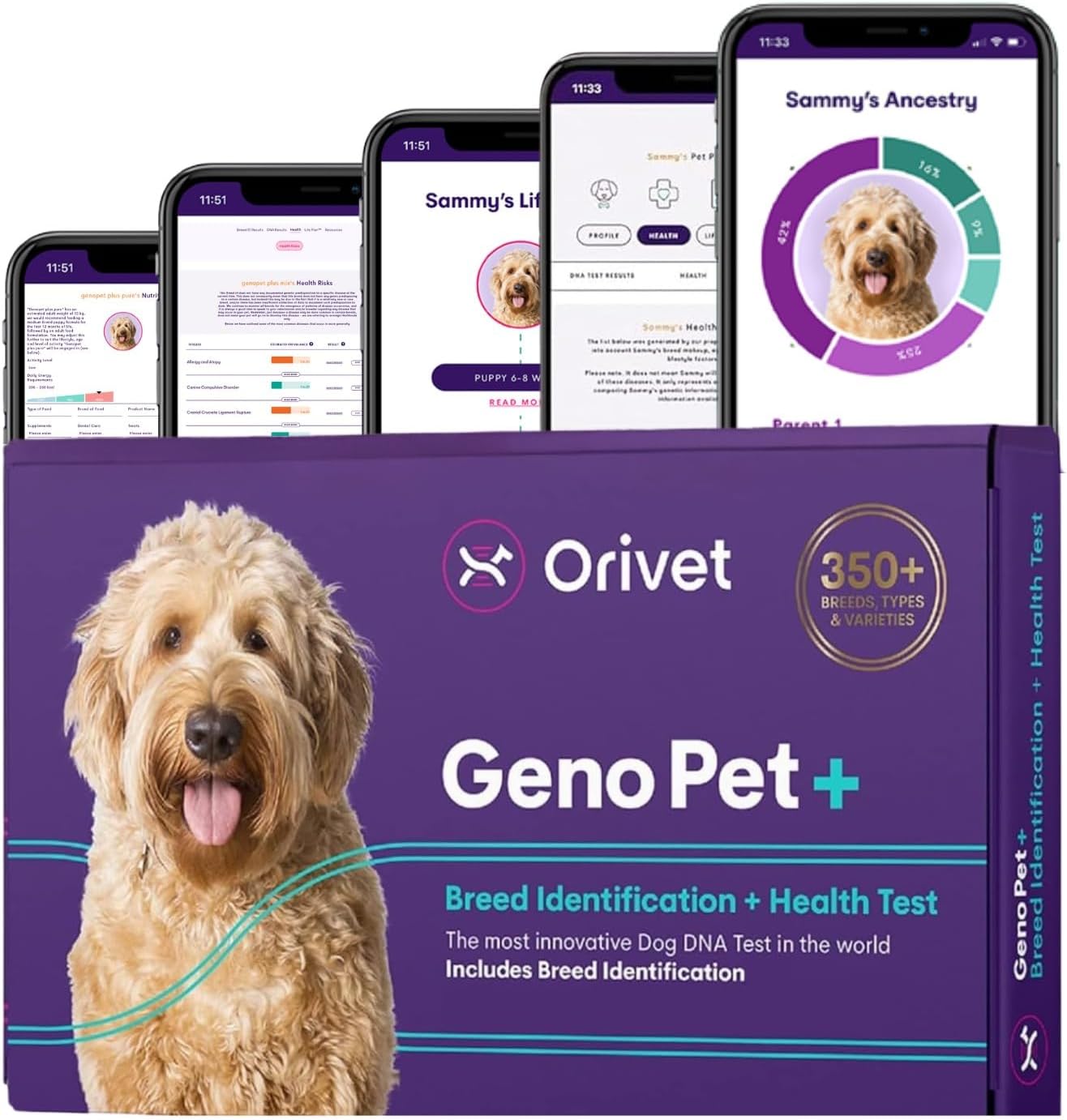
- Best for wellness planning style reporting: Orivet GenoPet Plus
- Best budget-friendly option: DNA My Dog Essential (or Premium if you want deeper extras)
2) Small percentages are the easiest place to get misled
Those 1% to 5% breeds at the bottom can be the least stable part of the report.
In a large Dog Aging Project cohort, disagreement sometimes came from dogs belonging to breeds not included in a company’s reference panel.
What it looks like:
Your dog suddenly has five “micro-breeds” that do not match anything you see.
Better move:
Focus on the dominant clusters and consistent themes, not the tiny crumbs.
3) Health results can create panic or false reassurance
This is the most emotionally expensive downside.
UC Davis warns that over-interpretation without appropriate context and counseling can be problematic, especially when owners make medical decisions based on a report alone.
What it looks like:
- “My dog is doomed” after a risk marker
- “My dog is totally healthy” after a clean report
Reality:
Genetics is one piece. Environment, age, and symptoms still matter.
Feature | |||||
|---|---|---|---|---|---|
| | | | | |
Best for | Best overall breed + health | Most detailed all-in-one report | Simplest dashboard experience | Wellness planning style report | Budget-friendly deeper option |
Breed database size | 400+ breeds | 365+ breeds | 400+ breeds | Around 400 breeds | 350+ breeds |
Health screening | 270+ genetic health conditions | 265+ genetic health conditions | 200+ health screenings | Over 200 diseases and traits | “Health concerns” insights (not positioned as a full medical screen) |
Traits and behavior | Traits included | 50+ traits and behavior predispositions | Traits included | Traits and health framing included | Personality traits included |
Relatives matching | Yes | Yes | Matches included | Not the main focus | Not the main focus |
Typical results time | 2–4 weeks | About 3 weeks | 2–4 weeks | Often 2–4 weeks | About 3 weeks (varies by kit) |
Price | | | | | |
4) Vets do not all feel confident interpreting direct-to-consumer results
Even when genetic testing is clinically useful, interpretation is not always straightforward.
A study of veterinary care providers reported they recognize clinical utility, but many have limited confidence interpreting direct-to-consumer results.
What it looks like:
Your vet says, “Let’s look at this carefully,” instead of “Yep, this tells us everything.”
Why that is actually good:
Caution prevents you from chasing the wrong problem.
5) Behavior predictions are often over-sold
This is where marketing tends to outrun the science.
A large analysis reported no evidence that commonly marketed candidate genetic variants predict individual dog behavior reliably.
What it looks like:
Owners label a dog as “aggressive by DNA” or “anxiety-prone by DNA,” then treat that label like fate.
Better move:
Use behavior as a training and environment question first, not a DNA destiny story.
6) Breed labels can create real-world consequences
Sometimes the downside is social, not scientific.
Breed labels can affect how friends, landlords, insurers, or even other dog owners react. That is especially true if your community has restrictions or bias around certain “types.”
What it looks like:
A report becomes a label you cannot un-ring.
Better move:
Share results selectively. Use them for care and training, not for announcing an identity.
7) Quality control varies and transparency is uneven
UC Davis notes a major issue: animal genetic testing is not regulated, there are no industry-wide standards, and some companies do not disclose methodologies or quality controls.
What it looks like:
You cannot easily tell what markers were tested, what “confidence” means, or how the company handles uncertainty.
Better move:
Look for clear explanations of limitations, not just bold claims.
8) Privacy and data retention are real considerations
Even though this is “just dog DNA,” you are still submitting genetic material plus personal account info.
Direct-to-consumer genetic testing privacy guidance often emphasizes that policies can change and that retention and sharing practices vary by company.
What it looks like:
You later realize you opted into research, data sharing, or indefinite retention.
Better move:
Before you test, read the deletion and research opt-out controls.
9) Opportunity cost: you might be solving the wrong problem
This one is sneaky.
If your real problem is itching, diarrhea, anxiety, reactivity, or weight gain, the best first dollar is often spent on veterinary workup, training support, nutrition counseling, or environment changes.
What it looks like:
You buy a test hoping for a magic explanation, then feel stuck when the report does not solve symptoms.
Better move:
Use DNA as a supplement to care, not a replacement for it.
A simple “Downside-to-Action” table you can save
Downside | What it looks like | The smarter move |
|---|---|---|
Breed variation across tests | Different breed mixes from different companies | Focus on dominant patterns, ignore tiny percentages |
Missing reference breeds | Your dog “does not make sense” genetically | Remember reference panels vary |
Health panic | You assume risk equals disease | Treat as “ask the vet,” not a diagnosis |
False reassurance | You assume “clear” means “no risk” | Keep normal wellness care and screening |
Behavior overreach | You label your dog by DNA | Behavior is multi-factor and not predicted by a few variants |
Poor transparency | You cannot tell how results were created | Favor tests that explain limits and quality controls |
Privacy worries | Retention or research sharing surprises you | Review opt-outs and deletion rules |
Social consequences | Breed label triggers bias or restrictions | Share selectively and use for care only |
Money wasted | You wanted a symptom answer | Start with vet workup or training plan |
How to reduce the downsides before you test
Step 1: Choose one primary goal
Pick one:
- breed curiosity
- health risk planning
- medication sensitivity questions
- relatives and lineage
If you choose “everything,” you are more likely to overreact to something.
Step 2: Decide how you will handle scary results
Make a rule now:
- “I will not change meds, diet, or supplements without my vet.”
UC Davis specifically urges veterinary involvement for medical decisions.
Step 3: Plan your interpretation
- Trust the top breeds more than the bottom.
- Treat health markers as “monitor and discuss.”
- Treat behavior outputs as “interesting,” not predictive.
Step 4: Protect your data
Before you submit:
- Find the research opt-in.
- Find the deletion and retention rules.
- Screenshot your settings.
FAQ: What Is the Downside of DNA Testing?
Is DNA testing bad for dogs?
The sample collection is typically a cheek swab and is not inherently harmful. The bigger risk is owners misinterpreting results and making the wrong health or behavior decisions without professional context.
What are the disadvantages of dog DNA tests?
The main disadvantages are inconsistent breed breakdowns for complex mixes, over-interpretation of health risks, weak behavior prediction validity, limited industry-wide standards, and privacy or data retention concerns.
Can dog DNA tests be wrong?
They can be incomplete or inconsistent, especially for mixed dogs and small percentages. Studies comparing multiple tests show results can differ across companies and methods.
What is the biggest risk of DNA testing?
For dog owners, the biggest risk is treating a genetic result as a diagnosis or destiny, especially for health and behavior. UC Davis specifically flags misinterpretation and lack of regulation in animal genetic testing.
Can DNA tests predict my dog’s behavior?
Current evidence suggests tests using a small set of candidate variants do not reliably predict individual behavior, even if they predict appearance well.
Should I tell my vet about my dog’s DNA results?
Yes, especially for health-related findings. Many veterinary providers see clinical utility in genetic testing, but interpreting direct-to-consumer results can be tricky, so sharing with your vet improves decision quality.
Other Interesting Articles
- Best Dog DNA Test Kit: Embark vs Wisdom Panel vs Ancestry and More
- Wisdom Panel vs Ancestry: Which Dog DNA Test Should You Buy?
- Wisdom Panel vs DNA My Dog: Which Dog DNA Test Should You Buy?
- Wisdom Panel vs Basepaws: Which Cat DNA Test Should You Buy?
- Wisdom Panel vs Embark: Which Dog DNA Test Should You Buy?
About the Author
PetsPal helps pet parents make smarter decisions with practical guides, clear comparisons, and real-world advice that keeps your dog’s wellbeing first. From “What Is the Downside of DNA Testing?” to other common questions for dog and cat owners, we help pet owners of all types better care for their furry friends.
References
UC Davis School of Veterinary Medicine on what genetic testing can and cannot tell you, including misinterpretation risk and lack of regulation for animal genetic testing.
JAVMA study comparing direct-to-consumer canine genetic tests and differences across results and methods.
Dog Aging Project analysis of owner-reported vs genetic breed identification and reference panel limitations.
AAHA guidance noting limited regulatory oversight for marketing of veterinary diagnostic tests.
PNAS and PubMed records reporting that marketed behavior variants did not reliably predict individual dog behavior.
Consumer privacy guidance on direct-to-consumer genetic testing data practices.
Bottom line: The downside of DNA testing is rarely the swab. It’s the overconfidence, the interpretation mistakes, and the “this must be true” stories people build from a report.