I'm a participant in the Amazon Services LLC Associates Program, an affiliate advertising program designed to provide a means for me to earn fees by linking to Amazon.com and affiliated sites.
If you’re searching “what is the #1 dog DNA testing”, here’s the honest verdict:
There is no single #1 dog DNA test for every dog and every goal. The “best” option depends on what you want most: breed ancestry, health risk screening, medication sensitivity, parentage verification, or breeder-level diagnostics. And the biggest downside is that many articles pretend there is one winner when the science and real-world use are more nuanced.
What you can do is choose the option that is most accurate for your specific use case using a simple scorecard. That’s what this guide gives you.
Feature | |||||
|---|---|---|---|---|---|
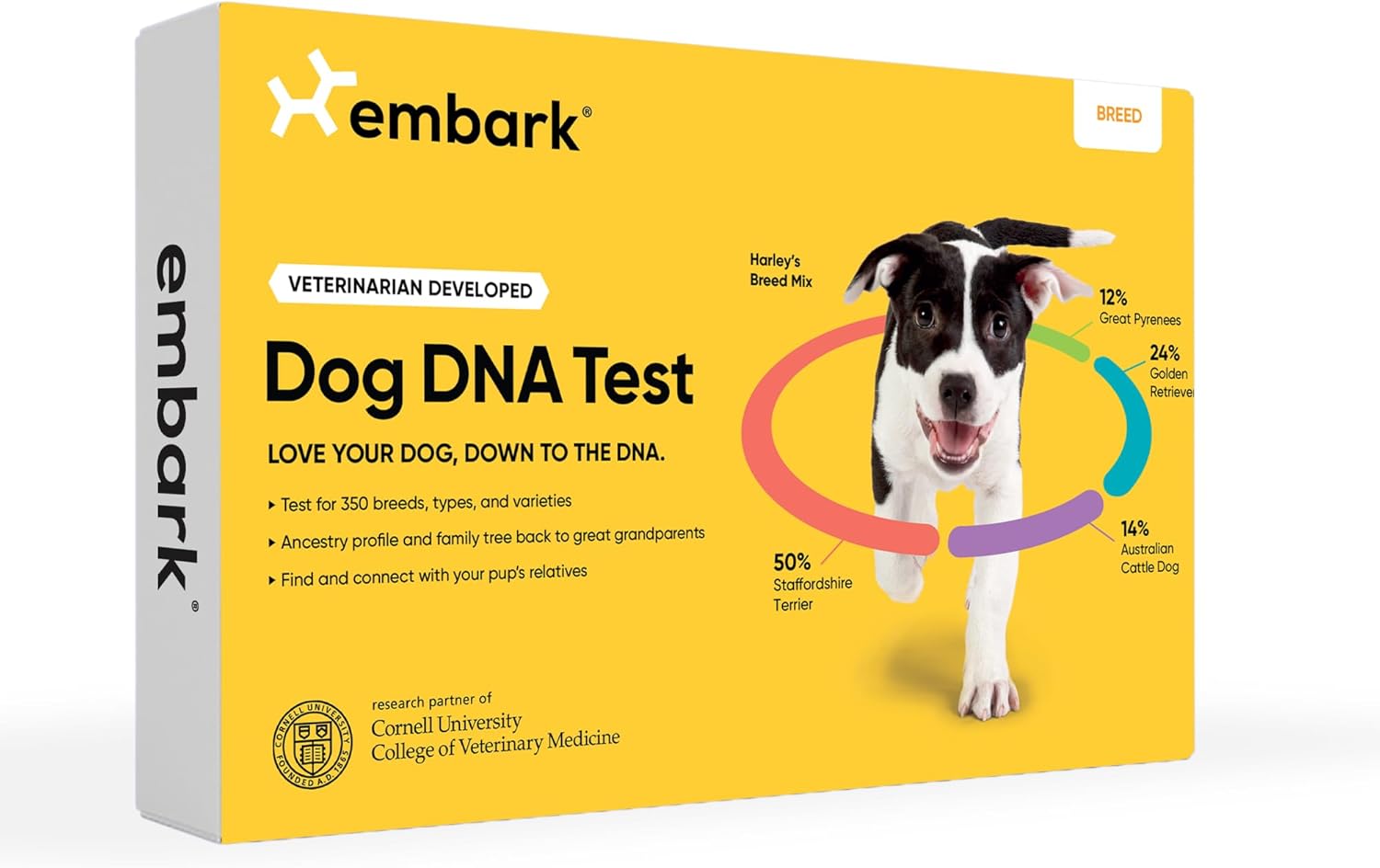 | 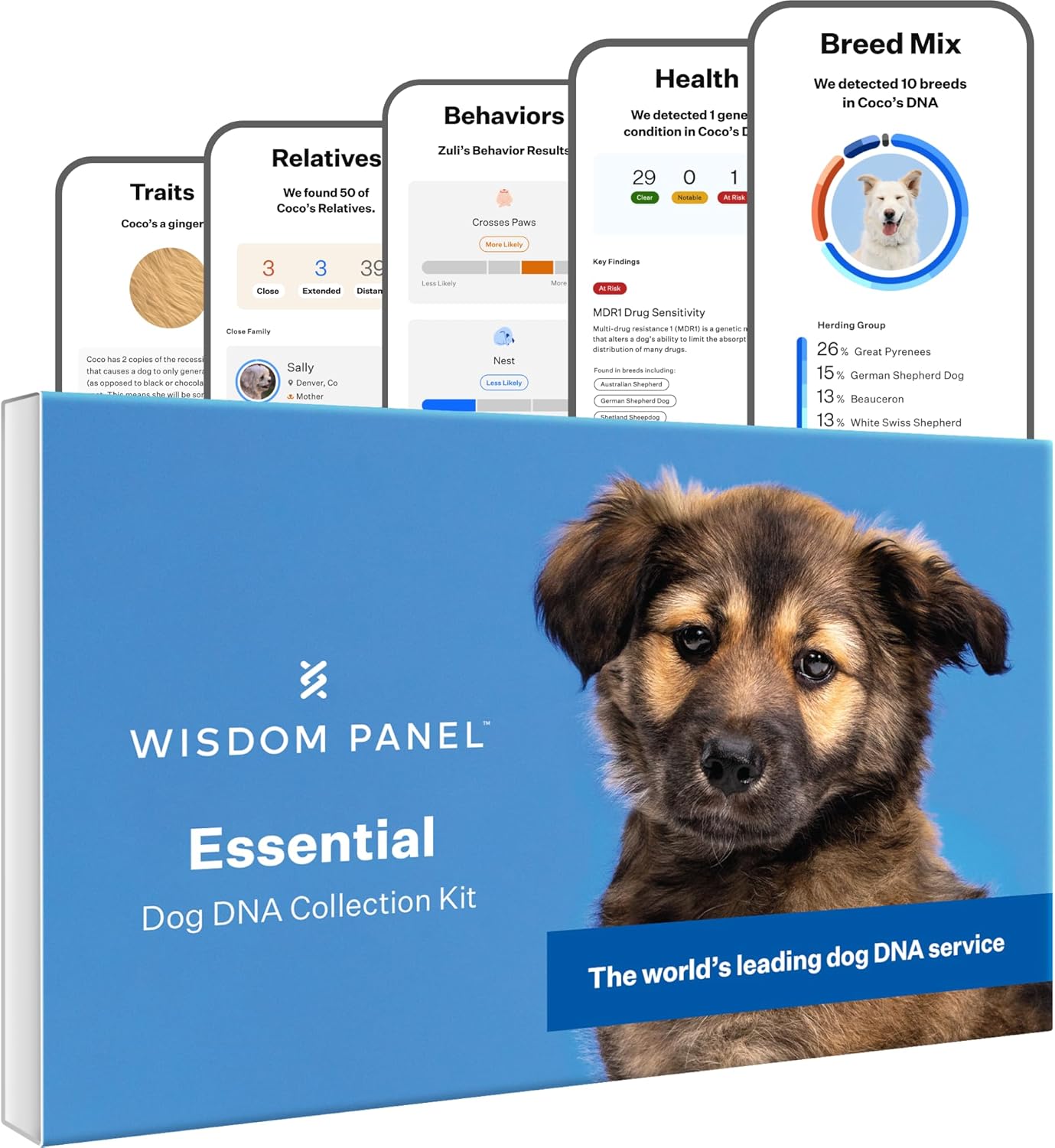 | 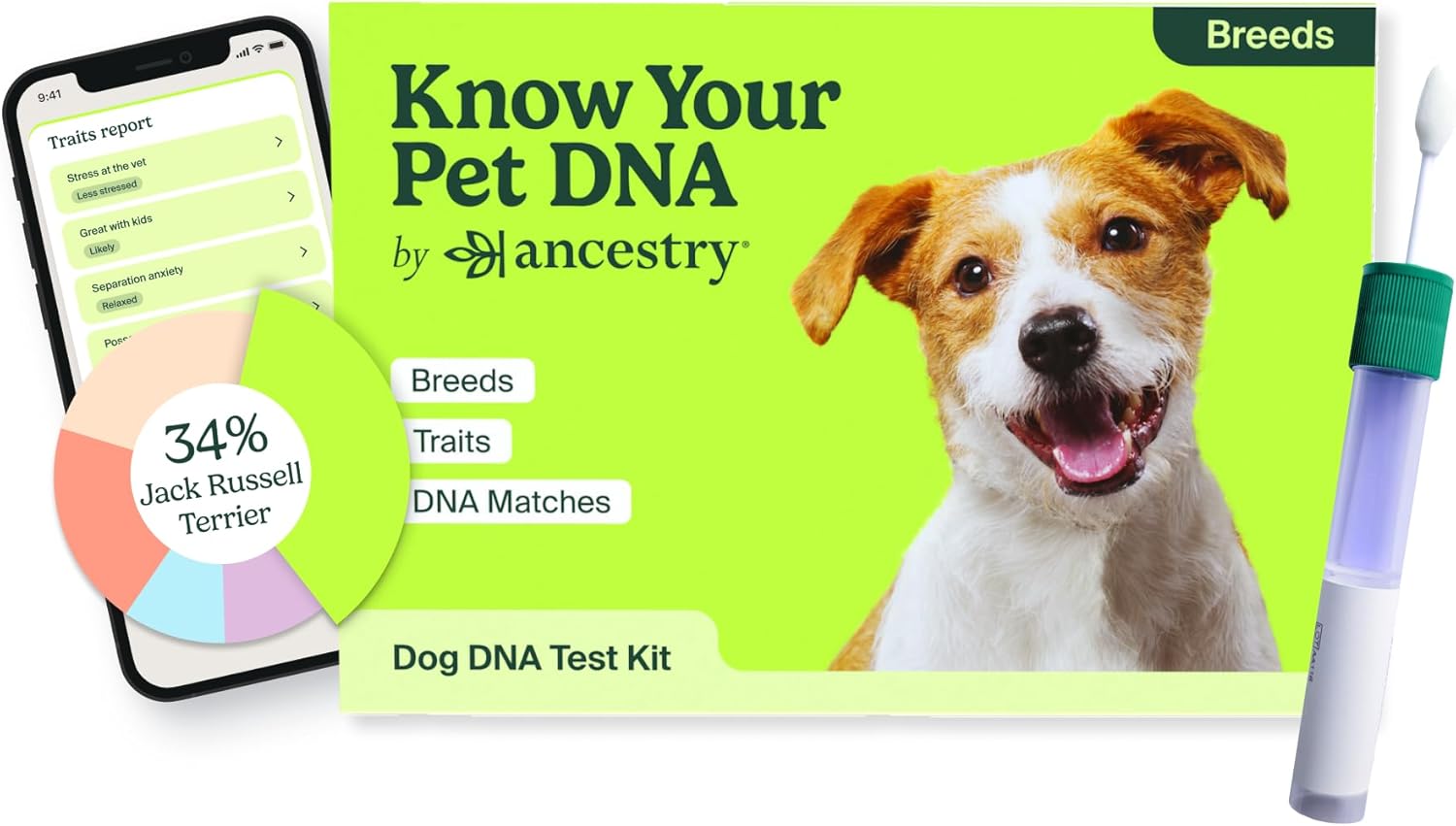 |  |  | |
Best for | Best overall breed + health | Most detailed all-in-one report | Simplest dashboard experience | Wellness planning style report | Budget-friendly deeper option |
Breed database size | 400+ breeds | 365+ breeds | 400+ breeds | Around 400 breeds | 350+ breeds |
Health screening | 270+ genetic health conditions | 265+ genetic health conditions | 200+ health screenings | Over 200 diseases and traits | “Health concerns” insights (not positioned as a full medical screen) |
Traits and behavior | Traits included | 50+ traits and behavior predispositions | Traits included | Traits and health framing included | Personality traits included |
Relatives matching | Yes | Yes | Matches included | Not the main focus | Not the main focus |
Typical results time | 2–4 weeks | About 3 weeks | 2–4 weeks | Often 2–4 weeks | About 3 weeks (varies by kit) |
Price |  | | | | |
Why “#1” is a tricky question in dog DNA testing
Dog DNA testing is not one thing. It’s several different services under one label:
- Breed ancestry estimates (hardest to get perfectly right in complex mixes)
- Single-gene health markers (often clearer, but still requires interpretation)
- Parentage and identity testing (built for breeders and registries)
- Behavior predictions (the least validated area, and the most oversold)
So when someone asks “#1,” they usually mean “best overall.” But “best overall” changes depending on whether you’re trying to prevent a medication reaction, plan for genetic disease risk, or satisfy curiosity about a rescue mix.
What “most accurate” actually means
Most articles skip this, then hand you a winner anyway.
Accuracy can mean four different things
- Lab accuracy: did they read the DNA markers correctly?
- Ancestry accuracy: did they match those markers to the right breed populations?
- Health variant accuracy: did they correctly detect a specific variant that may increase risk?
- Prediction accuracy: does the result predict something meaningful (especially behavior)?
If your goal is “what breeds,” you care most about #2.
If your goal is “health planning,” you care most about #3.
If your goal is “behavior,” be cautious with #4.
The PetsPal “#1” Scorecard (use this to judge any dog DNA testing)
If a service checks most of these boxes, it’s in the top tier.
1) Transparent method
They clearly explain what kind of genotyping they use and how they turn it into results. If it’s vague, that’s not “premium,” it’s “trust us.”
2) Strong quality control
They mention failed samples, re-swabs, or quality checks. Legit labs do QC.
3) A large, well-curated reference panel for breeds
Breed ancestry depends heavily on the reference database. If a breed is missing, results can skew or substitute lookalikes.
4) Clear uncertainty or confidence reporting
The most trustworthy reports admit uncertainty. Overly precise tiny percentages without confidence info is a red flag.
5) No photo-driven influence on breed results
A peer-reviewed comparison of direct-to-consumer canine genetic tests raised concerns that some outcomes could be influenced by user-submitted photographs in at least one approach. If a “DNA” result shifts based on a photo, that’s a problem.
Best dog DNA test kit quick picks
- Best overall: Embark Breed + Health
- Best “everything in one report” alternative: Wisdom Panel Premium
- Best for a big-brand, easy dashboard experience: Know Your Pet DNA by Ancestry
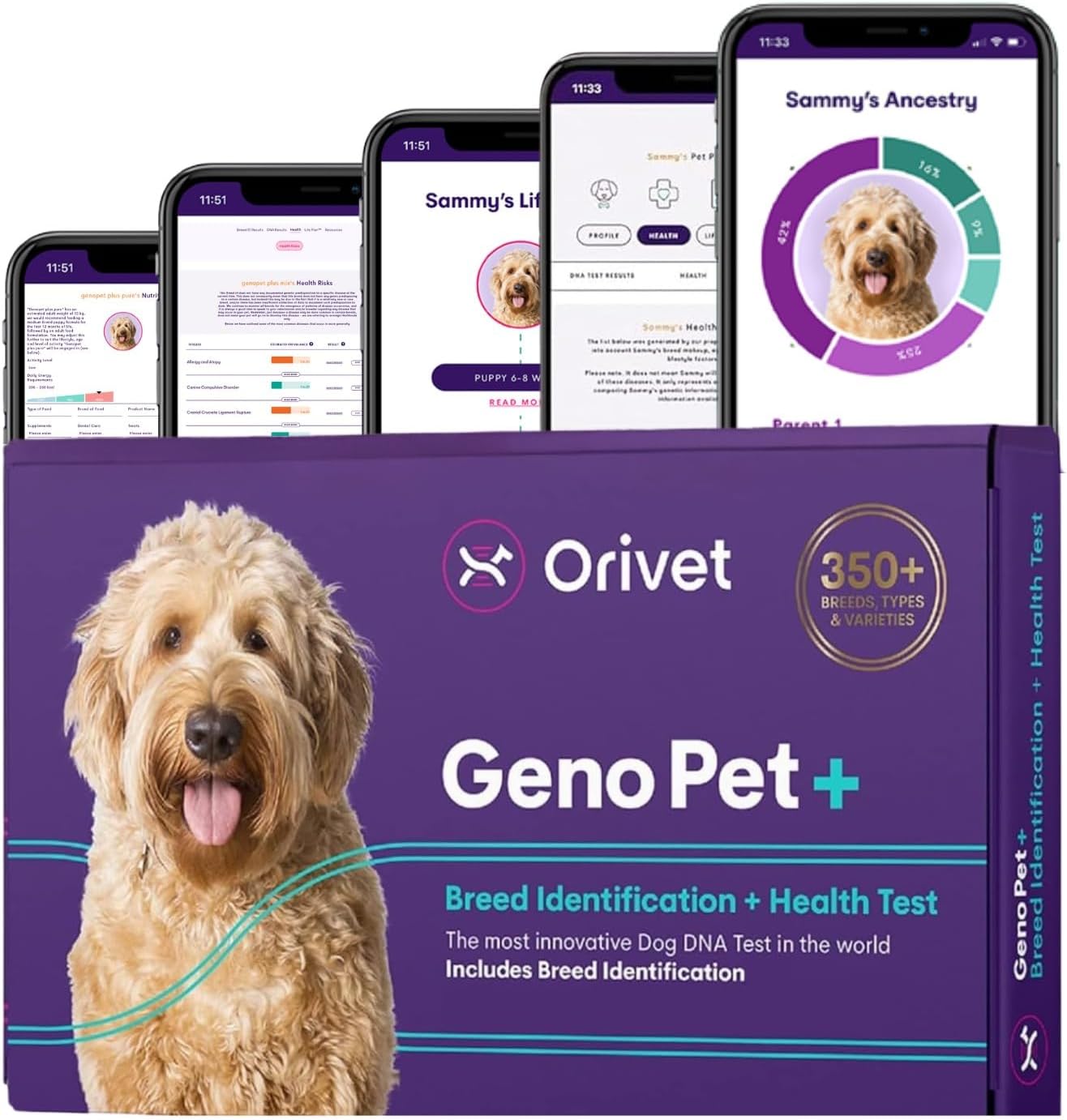
- Best for wellness planning style reporting: Orivet GenoPet Plus
- Best budget-friendly option: DNA My Dog Essential (or Premium if you want deeper extras)
6) Medical results come with “how to use this” guidance
Vets care about actionability, not fear. The best services present health markers as “discuss with your veterinarian,” not “your dog is doomed.”
7) Responsible language about behavior
If they sell behavior prediction as a main feature, be skeptical. A 2025 PNAS study found no evidence that commonly marketed variants have utility for predicting individual dog behavior.
8) Support that helps owners interpret results
A survey of veterinary care providers found clinicians see utility in genetic testing but often report limited confidence interpreting direct-to-consumer results. So good owner-facing explanations matter.
Feature | |||||
|---|---|---|---|---|---|
| | | | | |
Best for | Best overall breed + health | Most detailed all-in-one report | Simplest dashboard experience | Wellness planning style report | Budget-friendly deeper option |
Breed database size | 400+ breeds | 365+ breeds | 400+ breeds | Around 400 breeds | 350+ breeds |
Health screening | 270+ genetic health conditions | 265+ genetic health conditions | 200+ health screenings | Over 200 diseases and traits | “Health concerns” insights (not positioned as a full medical screen) |
Traits and behavior | Traits included | 50+ traits and behavior predispositions | Traits included | Traits and health framing included | Personality traits included |
Relatives matching | Yes | Yes | Matches included | Not the main focus | Not the main focus |
Typical results time | 2–4 weeks | About 3 weeks | 2–4 weeks | Often 2–4 weeks | About 3 weeks (varies by kit) |
Price | | | | | |
The “#1” choice depends on your goal (use this decision matrix)
Your goal | What “#1” looks like | Why |
|---|---|---|
Breed identification for a mixed dog | Large reference panel + clear confidence + honest limitations | Mixed ancestry is where databases and algorithms diverge most |
Health planning and prevention | Broad, validated health markers + vet-friendly interpretation | Health risk is useful only when it changes monitoring and care |
Medication safety questions | Targeted testing for known drug sensitivity pathways | This can directly affect treatment choices |
Breeder documentation | Parentage and identity testing through established labs and registries | Built for verification, not consumer curiosity |
Behavior or personality | Not a “#1” category right now | Evidence does not support strong prediction from marketed variants |
If you want one sentence to keep: the #1 dog DNA testing is the one that matches your goal and shows its work.
The real downsides (so you do not get burned)
Breed results can differ across services
A systematic comparison of commercially available direct-to-consumer tests showed meaningful variation across tests, especially in how breed ancestry is reported.
Health “risk” is not a diagnosis
UC Davis emphasizes that genetic testing can help guide next steps, but owners should work with a veterinarian before using results to make medical decisions.
Behavior claims are often ahead of the science
PNAS reports that variants identified through breed-average studies do not reliably predict behavior at the individual level.
How to make your results more accurate (most owners miss this)
Even the best test can look worse if the sample is sloppy.
- Swab when your dog has not just eaten or drank.
- Keep dogs separated if you have multiple pets.
- Wash hands between dogs.
- Follow the lab’s timing and swab instructions exactly.
Clean sample in equals cleaner data out. Veterinary genetics services repeatedly emphasize proper collection because it affects results and retest rates.
How to talk to your vet about a DNA report (the “smart owner” approach)
Bring a short summary:
- “My goal was breed identification / health planning / medication safety.”
- “These are the top 2–3 findings that concern me.”
- “These are my dog’s current symptoms and medications.”
This matters because vets often see value in genetic testing but may be cautious interpreting direct-to-consumer reports without context.
FAQs
What is the #1 dog DNA testing?
There isn’t one universal #1. The best choice depends on whether you want breed ancestry, health screening, medication safety, or breeder verification. Breed ancestry can vary across services, while behavior prediction is currently not well supported by evidence.
Are dog DNA tests accurate?
They can be useful, but accuracy varies by category. Breed ancestry is hardest for complex mixes, and different services can give different breakdowns.
Can dog DNA tests predict behavior?
Current evidence suggests no. A PNAS study found no evidence that commonly marketed variants meaningfully predict behavior in individual dogs.
Should I trust health risk results?
Treat them as a starting point. UC Davis advises working with your veterinarian before using genetic results to make medical decisions.
Why do two tests disagree about my dog’s breeds?
Different breed reference panels, algorithms, and reporting rules can lead to different results, especially for small percentages and complex ancestry.
Do vets like dog DNA tests?
Many see clinical utility, but a survey found veterinary providers often report limited confidence interpreting direct-to-consumer results, which is why discussing results with your vet helps.
Other Interesting Articles
- Best Dog DNA Test Kit: Embark vs Wisdom Panel vs Ancestry and More
- Wisdom Panel vs Ancestry: Which Dog DNA Test Should You Buy?
- Wisdom Panel vs DNA My Dog: Which Dog DNA Test Should You Buy?
- Wisdom Panel vs Basepaws: Which Cat DNA Test Should You Buy?
- Wisdom Panel vs Embark: Which Dog DNA Test Should You Buy?
About the Author
PetsPal helps pet parents make smarter decisions with practical guides, clear comparisons, and real-world advice that keeps your dog’s wellbeing first. From “What DNA Test Do Dog Breeders Use?” to other common questions for dog and cat owners, we help pet owners of all types better care for their furry friends.
References
- Systematic comparison of direct-to-consumer canine genetic tests (variation across tests; photo influence concerns).
- UC Davis on what genetic testing can and cannot tell you, including interpretation cautions.
- PNAS 2025: genetic tests predict appearance but not behavior in dogs (behavior variant claims do not hold up).
- Veterinary provider survey: clinical utility recognized, but limited confidence interpreting direct-to-consumer results.
Bottom line: If you want the “#1 dog DNA testing,” stop looking for a single brand-name answer and start looking for a test that earns it: transparent methods, strong QC, a robust reference panel, honest uncertainty, and vet-ready health reporting.