
I'm a participant in the Amazon Services LLC Associates Program, an affiliate advertising program designed to provide a means for me to earn fees by linking to Amazon.com and affiliated sites.
How long do dog DNA tests take? Most dog DNA tests take about 2 to 4 weeks after the lab receives and scans your sample.
That is the honest “most people, most of the time” answer.
But your real wait time depends on what kind of DNA testing you’re doing (breed ID vs targeted genetic screening vs whole-genome sequencing), how fast the sample gets to the lab, and whether your sample passes quality checks the first time. Some companies also warn that peak-volume delays can push results out longer, sometimes up to 8 weeks.
Feature | |||||
|---|---|---|---|---|---|
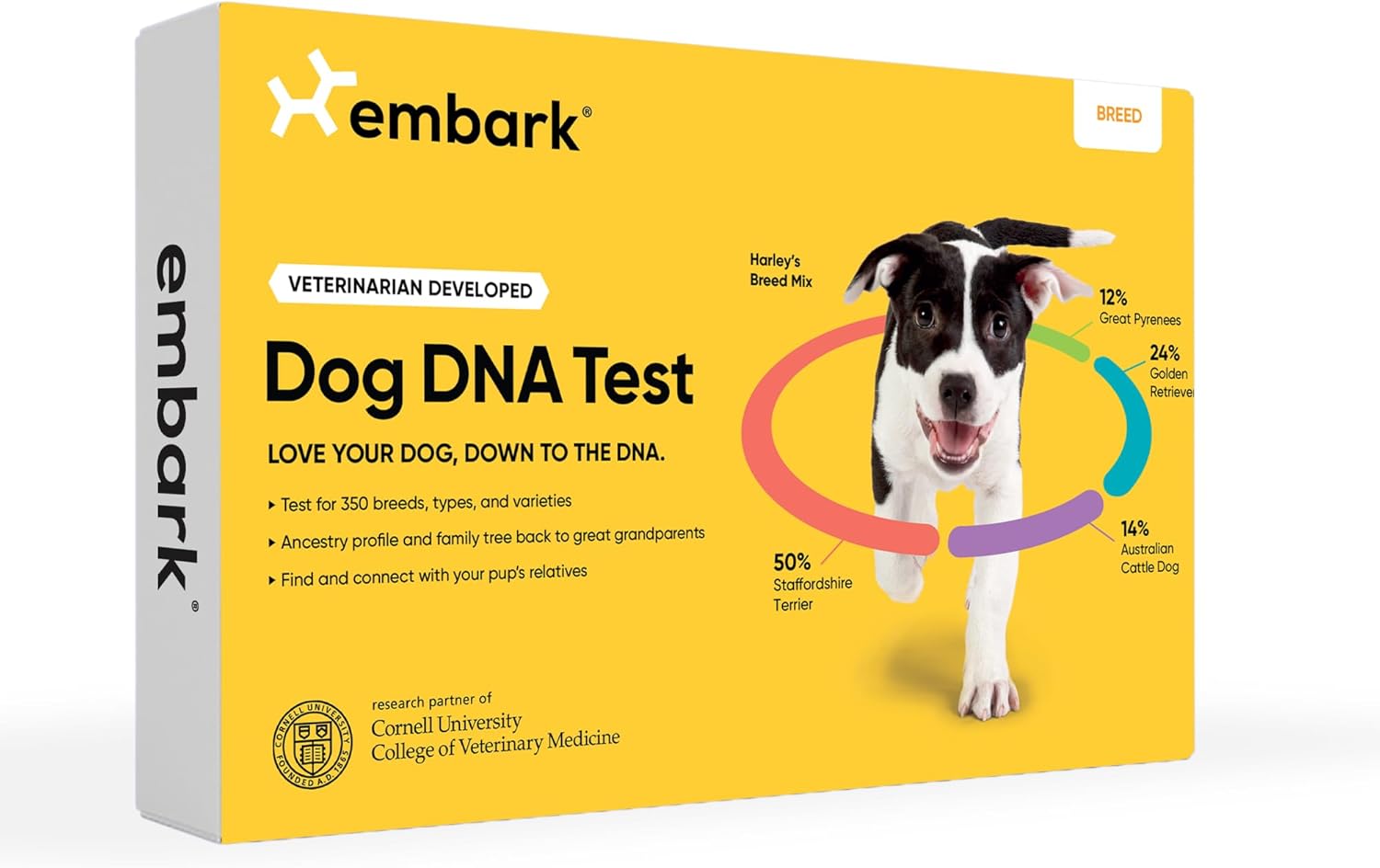 | 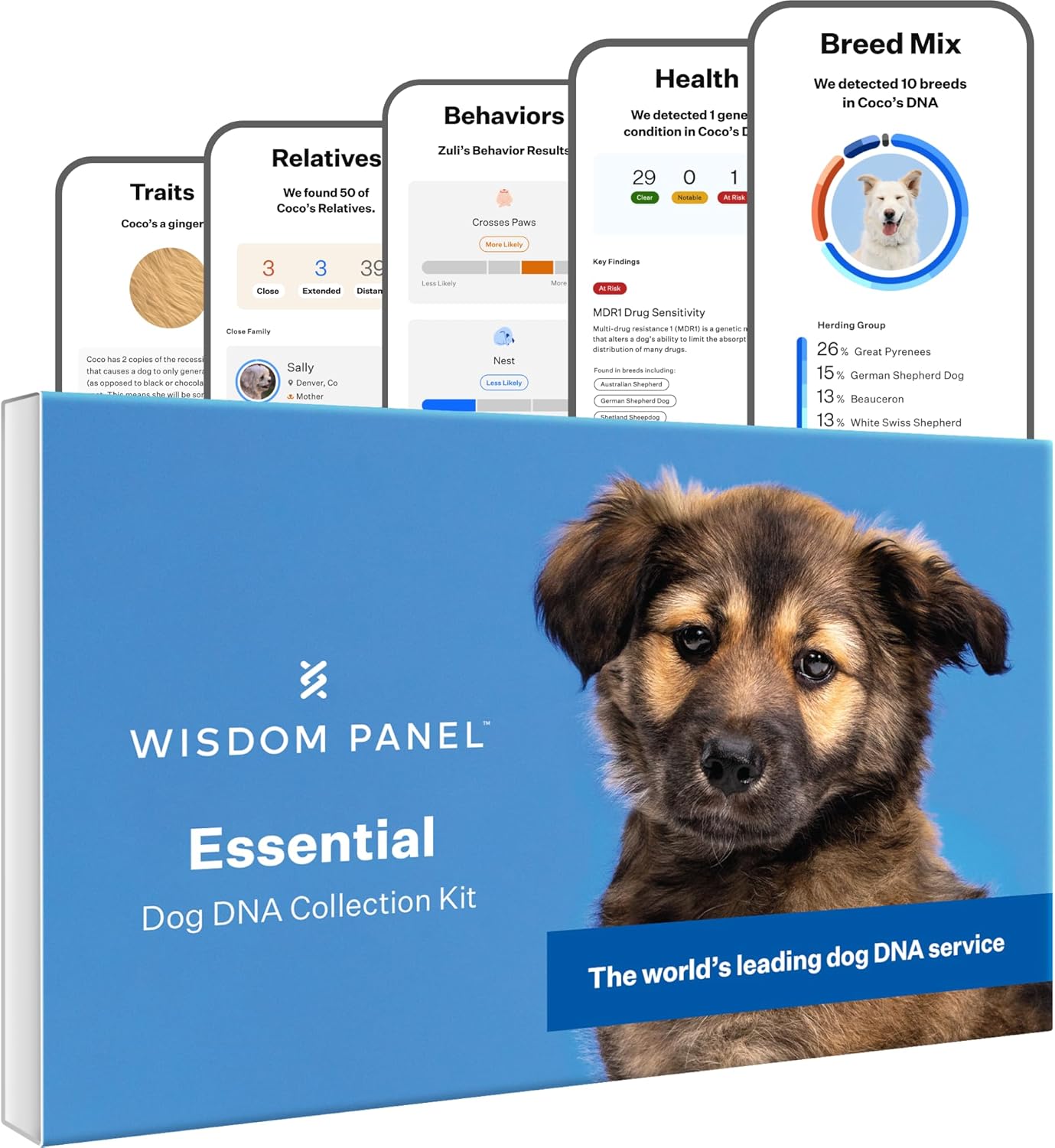 | 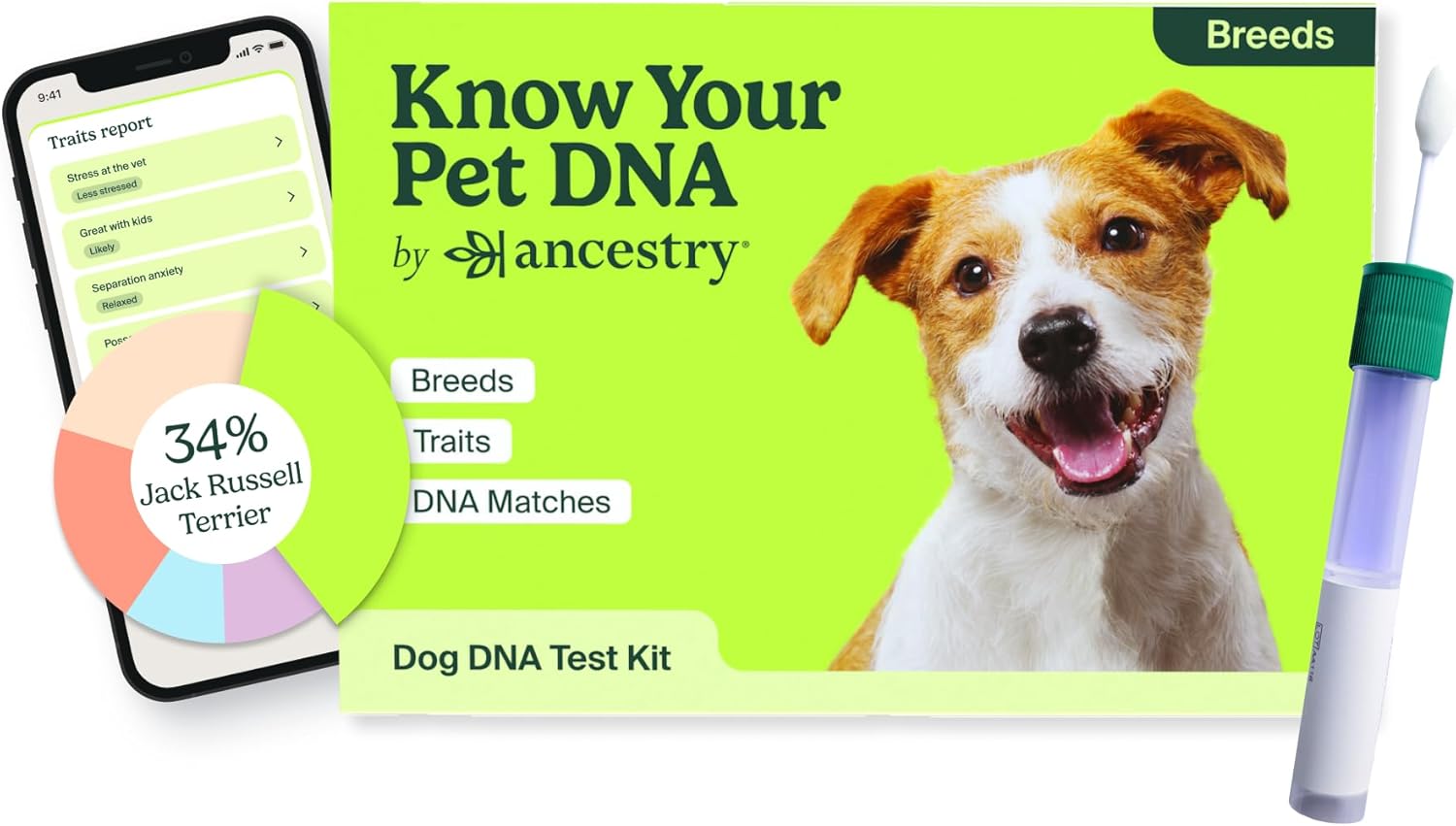 | 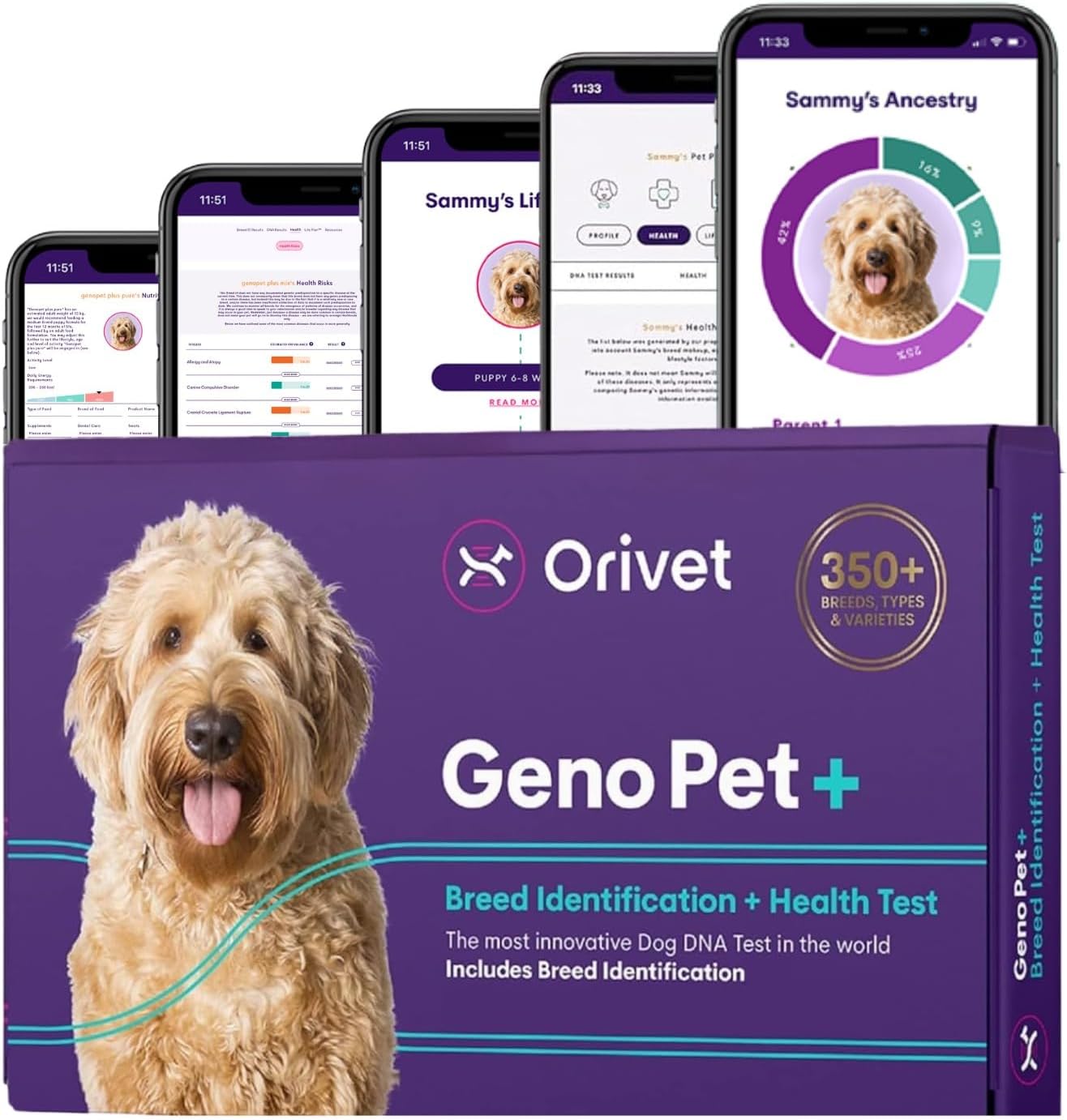 |  | |
Best for | Best overall breed + health | Most detailed all-in-one report | Simplest dashboard experience | Wellness planning style report | Budget-friendly deeper option |
Breed database size | 400+ breeds | 365+ breeds | 400+ breeds | Around 400 breeds | 350+ breeds |
Health screening | 270+ genetic health conditions | 265+ genetic health conditions | 200+ health screenings | Over 200 diseases and traits | “Health concerns” insights (not positioned as a full medical screen) |
Traits and behavior | Traits included | 50+ traits and behavior predispositions | Traits included | Traits and health framing included | Personality traits included |
Relatives matching | Yes | Yes | Matches included | Not the main focus | Not the main focus |
Typical results time | 2–4 weeks | About 3 weeks | 2–4 weeks | Often 2–4 weeks | About 3 weeks (varies by kit) |
Price |  | | | | |
The quick answer, broken down
If you want a simple expectation you can plan around:
- Typical consumer breed ID DNA testing: ~2–4 weeks once the lab has your sample
- Some veterinary and breeder-style genetic tests: often days to ~2 weeks after receipt (varies by lab and test type)
- Certain lab services like parentage marker reports: can be 15+ business days and may extend if re-testing is needed
- Research-grade genome sequencing workflows: can be months (not the same thing as a consumer breed test)
Why this topic is so confusing
Because people ask “how long do dog DNA tests take” and mean three different clocks:
- Shipping time (your house to the lab)
- Lab time (processing, genotyping, analysis)
- Reporting time (when results appear in your portal or email)
Most brands quote the lab time only. That means the clock starts when the sample is received and scanned.
So if you swab on Saturday, drop it in a mailbox on Monday, and the lab scans it the following week, you might feel like you waited “forever” even though the lab hit its stated turnaround.
Best dog DNA test kit quick picks
- Best overall: Embark Breed + Health
- Best “everything in one report” alternative: Wisdom Panel Premium
- Best for a big-brand, easy dashboard experience: Know Your Pet DNA by Ancestry
- Best for wellness planning style reporting: Orivet GenoPet Plus
- Best budget-friendly option: DNA My Dog Essential (or Premium if you want deeper extras)
A realistic timeline you can actually use
Here’s what “normal” looks like for a typical at-home dog DNA kit experience. Think of it as a range, not a promise.
Step 1: You swab and mail it
Time: Same day to 2 days, depending on when you mail it.
This is the part you control.
Step 2: Shipping to the lab
Time: Commonly a few days, but it can stretch longer during holidays, bad weather, or mail slowdowns.
If your tracking shows “delivered,” you’re not done yet. Labs often have an intake queue.
Step 3: Lab intake and scanning
Time: 1–7 days after delivery is common in the real world, especially during busy periods.
This is where many people feel stuck: “It says delivered but no update.”
Step 4: DNA extraction and genotyping
Time: This is the “main event.” Many consumer services quote a 2–4 week window from lab receipt/scanning to results.
Step 5: Analysis and report generation
Time: Usually included inside the lab window, but can extend if the sample needs extra checks.
Step 6: Results posted
Time: Often same day once the report is ready.
Feature | |||||
|---|---|---|---|---|---|
| | | | | |
Best for | Best overall breed + health | Most detailed all-in-one report | Simplest dashboard experience | Wellness planning style report | Budget-friendly deeper option |
Breed database size | 400+ breeds | 365+ breeds | 400+ breeds | Around 400 breeds | 350+ breeds |
Health screening | 270+ genetic health conditions | 265+ genetic health conditions | 200+ health screenings | Over 200 diseases and traits | “Health concerns” insights (not positioned as a full medical screen) |
Traits and behavior | Traits included | 50+ traits and behavior predispositions | Traits included | Traits and health framing included | Personality traits included |
Relatives matching | Yes | Yes | Matches included | Not the main focus | Not the main focus |
Typical results time | 2–4 weeks | About 3 weeks | 2–4 weeks | Often 2–4 weeks | About 3 weeks (varies by kit) |
Price | | | | | |
Turnaround time by test type
Not all “dog DNA tests” are the same. A fast targeted test can be quick because it’s looking for a specific marker or set of markers, while broad ancestry and sequencing workflows require more steps.
Type of dog DNA testing | What it’s used for | Common turnaround once the lab receives the sample |
|---|---|---|
Breed identification style consumer testing | Breed ancestry estimation plus optional trait summaries | ~2–4 weeks is commonly quoted |
Targeted genetic screening (lab-style) | Specific genetic variants, parentage, or narrower panels | 3–10 days is common for some labs |
Parentage or marker reports | Marker-based identity or parentage style analysis | 15+ business days, longer if re-testing is needed |
Whole-genome sequencing workflows | Sequencing most or all of the genome for research or deep analysis | Can be weeks to months depending on the program |
What makes dog DNA test results take longer
If your results are delayed, it’s usually one of these.
1) Sample quality problems (the biggest preventable cause)
Low DNA quantity, contamination, or swabbing too soon after eating can slow things down or trigger a resample request.
A veterinary genetics lab’s collection guidance emphasizes basics that matter for clean DNA, like no food or water for at least 1 hour before sampling, isolating puppies beforehand, and preventing cross-contamination when sampling more than one dog.
2) Intake backlog
Even after delivery, labs have to log and scan samples. During peak seasons, that queue grows.
Some companies explicitly warn that results can extend beyond the typical window due to processing volume, sometimes up to 8 weeks.
3) Added analysis steps
Some test types require extra verification steps, or the lab may need additional testing to confirm a result.
One example: a veterinary lab notes that a test may be delayed beyond its stated minimum timeline if the sample needs additional testing or a new sample is requested.
4) Holidays and weather
Mail delays plus lab staffing changes can stack up. This is one of the most common “why is nothing moving” moments.
5) International shipping or customs
If you are shipping across borders, customs and local mail handling can add a week or more before the lab even sees it.
How to get results faster (without doing anything sketchy)
You can’t “hack” a lab, but you can avoid the delays that people accidentally cause.
Do this before you swab
- Wait at least 1 hour after your dog eats or drinks.
- Keep your dog away from other pets’ saliva right before sampling if you have a multi-pet home.
- Wash your hands and avoid touching the swab tip.
Do this while swabbing
- Swab firmly and follow the full time recommended in the kit instructions.
- If sampling puppies, isolate each puppy from mom and littermates for the hour before swabbing and avoid nursing in that window.
Do this when mailing
- Mail it early in the week so it is less likely to sit in a warehouse over a weekend.
- If you have the option, use faster shipping. Some labs explicitly state that getting the sample to them sooner is the only real way to speed up results.
“Delivered” but no update: what’s normal vs what’s not
This is the most common stress point.
Normal
- Tracking says delivered, but the lab has not scanned it into their system yet.
- No status change for several days during busy periods.
Less normal
- It has been 10+ business days since delivery and the lab still shows no receipt.
- You get an email asking for a new sample (this happens, but it resets the clock).
If you’re stuck in the “less normal” zone, it’s reasonable to contact support with your tracking info.
If your test is taking longer than expected, here’s what to do
Step 1: Check what clock you’re using
Was the estimate “2–4 weeks from swabbing” or “2–4 weeks from lab receipt”?
Many companies phrase turnaround time as “from when the lab receives or scans the sample,” not from when you swab.
Step 2: Check for an email about sample issues
If DNA quality is low, the lab may request a resample.
Step 3: Look for peak-volume notices
Some providers explicitly state that heavy volume can push results out substantially longer than the typical estimate.
Step 4: Escalate only when it’s truly late
A fair rule: if you are beyond the longest stated window (for example, beyond a published “up to” range), contact support.
What you can do while you wait (so the results are actually useful)
The best owners don’t just wait. They get ready.
- Write down your dog’s current routine: food, exercise, training, and any recurring issues.
- List the big questions you want answered: breed curiosity, size expectations, coat needs, possible inherited risks.
- Gather vet records and note any symptoms or patterns.
When your report arrives, you will interpret it better because you have context.
FAQs: How long do dog DNA tests take?
How long do dog DNA tests take on average?
Many consumer dog DNA services commonly quote about 2–4 weeks from lab receipt or scanning to results, with longer delays possible during peak periods.
How long does it take after the lab receives the sample?
For many breed identification style kits, the stated expectation is often 2–4 weeks after the lab receives or scans the sample.
Why do some dog DNA tests take 6 weeks or longer?
Usually one of three reasons: high-volume intake delays, sample quality problems that trigger re-testing, or a more complex testing workflow. Some providers explicitly warn that processing can extend as far as 8 weeks in certain circumstances.
Can a dog DNA test come back in a few days?
Some targeted lab tests report results within 3–5 days or 7–10 days after receiving samples, depending on the lab and the type of testing requested.
How long does research-grade dog genome sequencing take?
Some programs that sequence most of a dog’s genome state it can take at least six months, which is a totally different workflow than a consumer breed ID test.
What is the biggest thing that delays results?
Sample issues and intake backlog. You can reduce risk by following proper collection steps like no food or water for an hour before swabbing and preventing cross-contamination between dogs.
Other Interesting Articles
- Best Dog DNA Test Kit: Embark vs Wisdom Panel vs Ancestry and More
- Wisdom Panel vs Ancestry: Which Dog DNA Test Should You Buy?
- Wisdom Panel vs DNA My Dog: Which Dog DNA Test Should You Buy?
- Wisdom Panel vs Basepaws: Which Cat DNA Test Should You Buy?
- Wisdom Panel vs Embark: Which Dog DNA Test Should You Buy?
About the Author
PetsPal helps pet parents make smarter decisions with practical guides, clear comparisons, and real-world advice that keeps your dog’s wellbeing first. From “How Long Do Dog DNA Tests Take?” to other common questions for dog and cat owners, we help pet owners of all types better care for their furry friends.
References
- Consumer turnaround estimates commonly stated as ~2–4 weeks from lab receipt/scanning.
- Guidance that some labs may extend processing, including warnings of up to 8 weeks in certain conditions.
- Veterinary genetics sample collection steps that reduce contamination and improve sample quality.
- Examples of fast lab-style testing windows (3–5 days; 7–10 days) after receipt.
- Examples of longer lab workflows and re-testing delays (15+ business days with possible delays).
- Example of research sequencing timeline being months (6+ months stated).