I'm a participant in the Amazon Services LLC Associates Program, an affiliate advertising program designed to provide a means for me to earn fees by linking to Amazon.com and affiliated sites.
Best dog dna test kits for accurate breed identification is ideal when submitting a canine DNA sample. Here’s the truth up front: there is no single “best” kit for every dog, but there is a best way to choose one based on how breed identification actually works, where it goes wrong, and what separates trustworthy reports from marketing.
If you want accurate breed identification, your “winner” is the kit that has (1) a strong breed reference database, (2) transparent confidence reporting, and (3) good lab quality control, not the one with the flashiest promises. Animal genetic testing is also not regulated the way many people assume, so transparency matters.
Feature | |||||
|---|---|---|---|---|---|
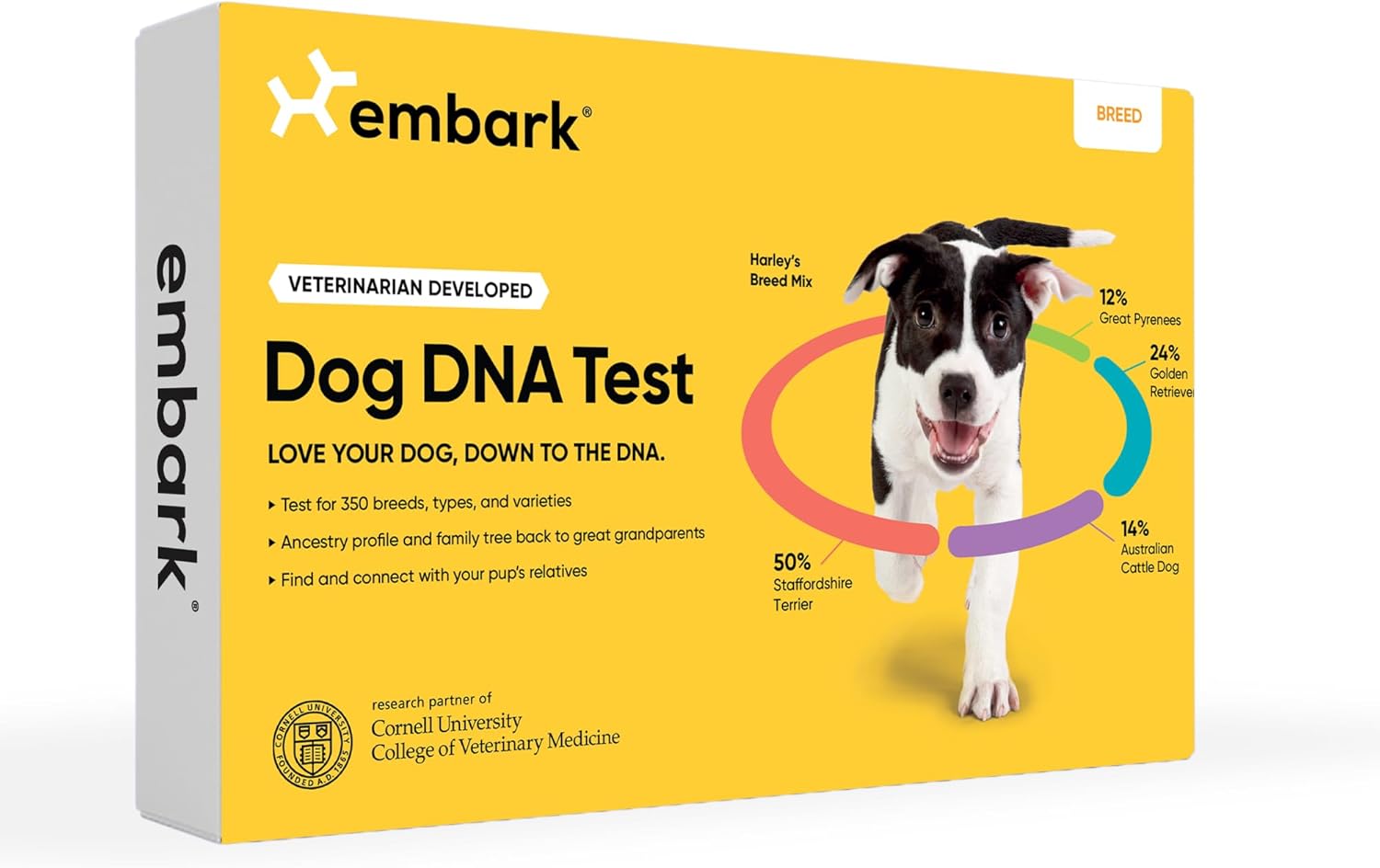 |  | 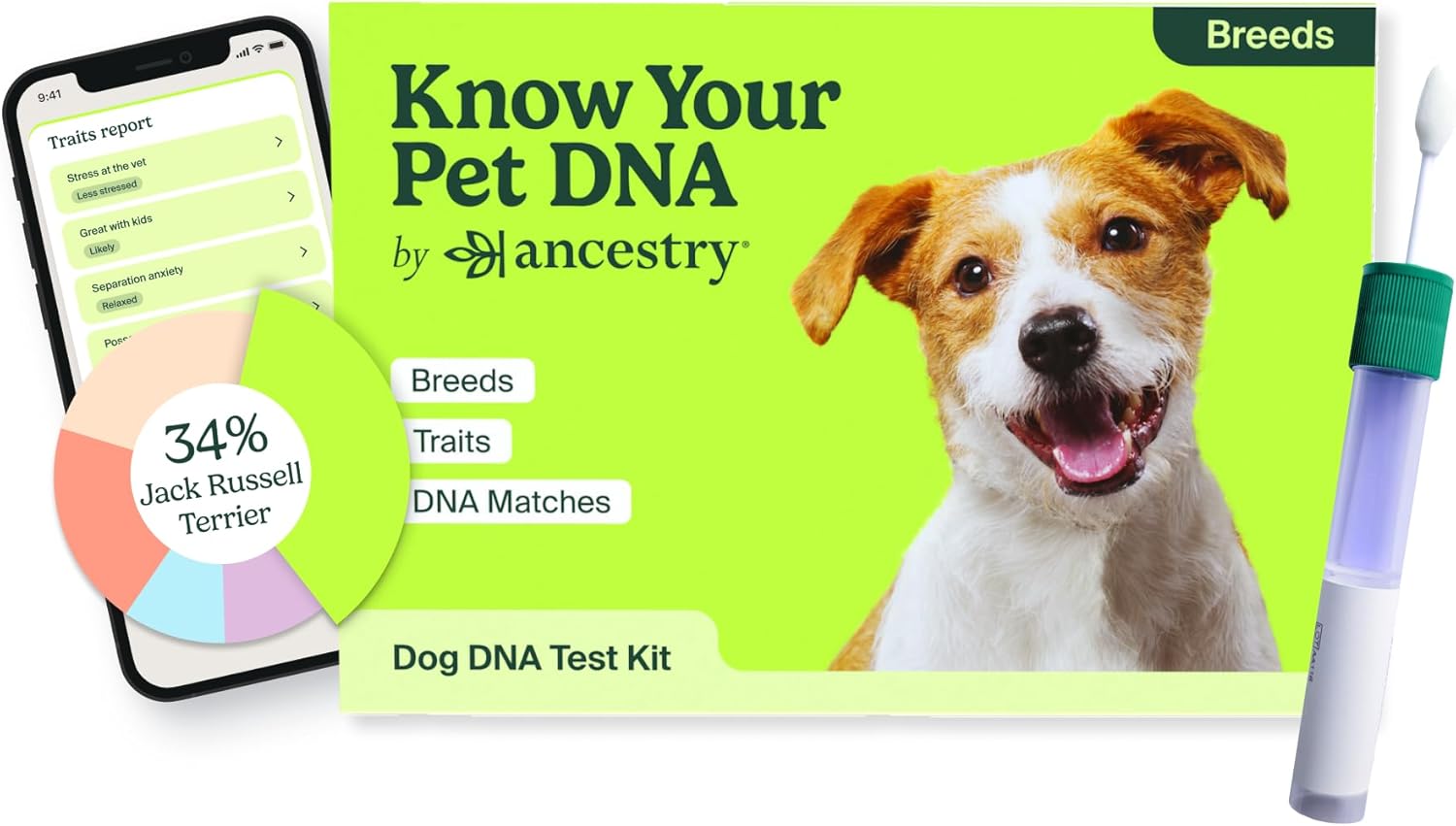 | 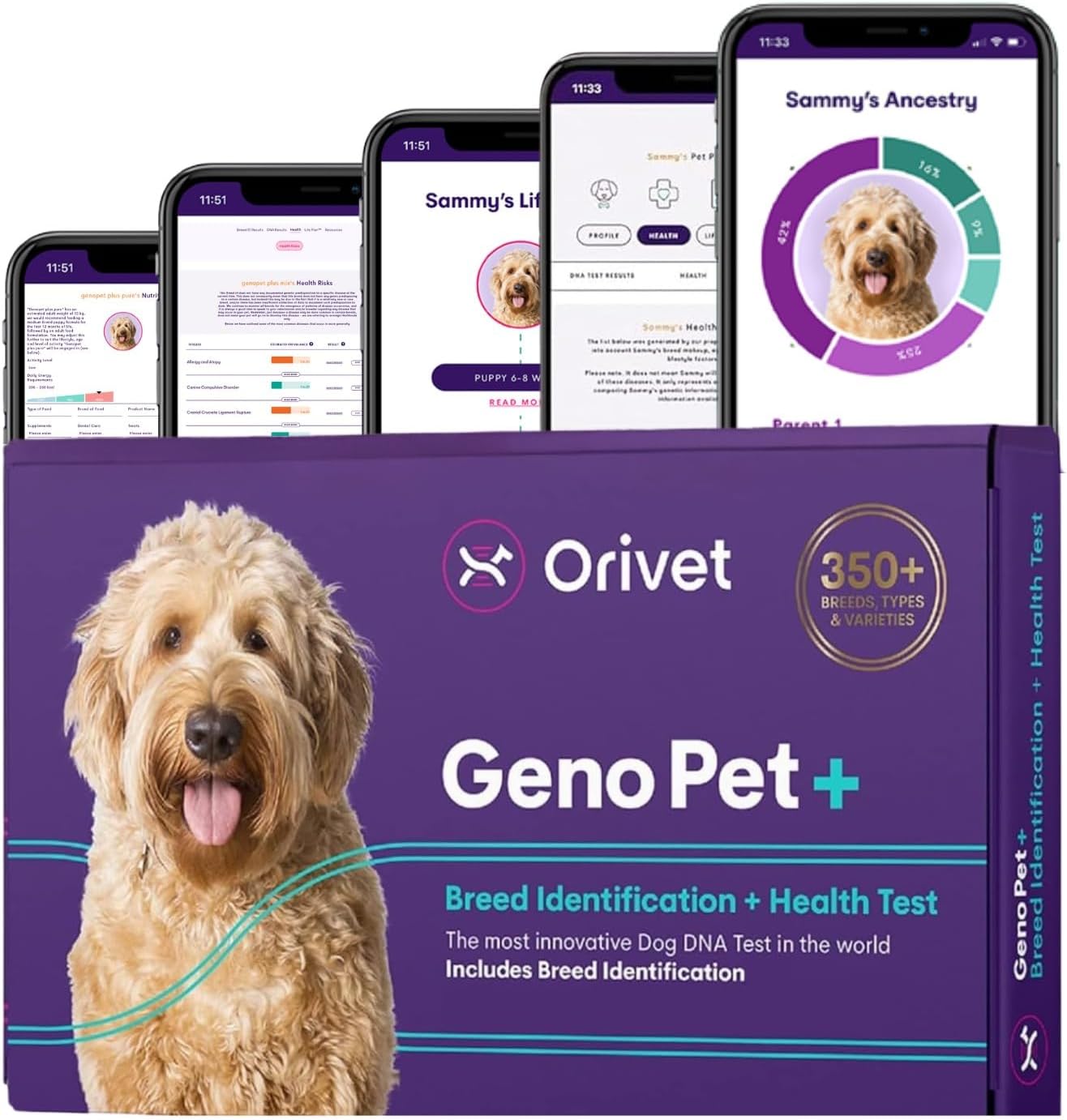 | 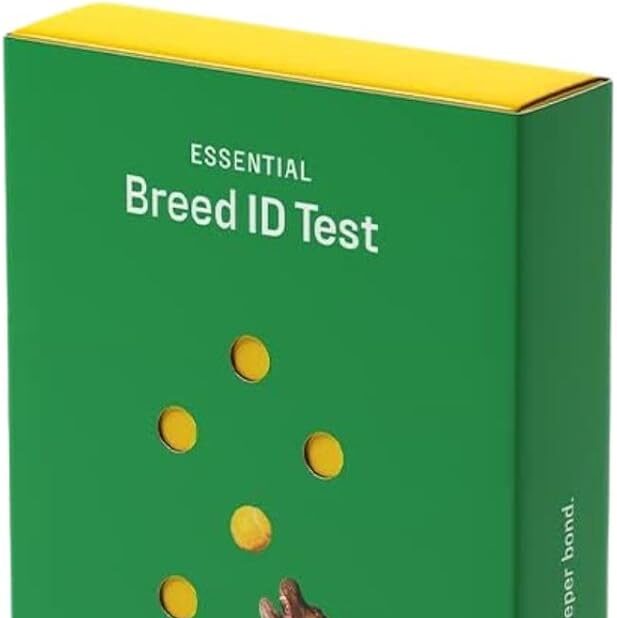 | |
Best for | Best overall breed + health | Most detailed all-in-one report | Simplest dashboard experience | Wellness planning style report | Budget-friendly deeper option |
Breed database size | 400+ breeds | 365+ breeds | 400+ breeds | Around 400 breeds | 350+ breeds |
Health screening | 270+ genetic health conditions | 265+ genetic health conditions | 200+ health screenings | Over 200 diseases and traits | “Health concerns” insights (not positioned as a full medical screen) |
Traits and behavior | Traits included | 50+ traits and behavior predispositions | Traits included | Traits and health framing included | Personality traits included |
Relatives matching | Yes | Yes | Matches included | Not the main focus | Not the main focus |
Typical results time | 2–4 weeks | About 3 weeks | 2–4 weeks | Often 2–4 weeks | About 3 weeks (varies by kit) |
Price |  | | | | |
What “accurate breed identification” really means (so you don’t get fooled)
Breed identification is an estimate based on pattern matching.
A kit compares your dog’s DNA markers to a database of known-breed dogs, then calculates the most likely mix. If the database is missing a breed that’s actually in your dog, the test may “fill the gap” with similar-looking breeds. A large Dog Aging Project study found disagreement was most common when owners had dogs from a breed not included in a reference panel.
That’s why accurate breed ID is mostly about database quality and honest reporting.
The 3 biggest reasons breed results vary between DNA kits
1) Different reference databases
Two companies can test the same dog and disagree simply because they have different populations in their reference sets.
2) Different reporting rules
Some reports show lots of tiny percentages. Others collapse small signals into an “unknown” bucket. Tiny numbers are where noise lives.
3) Different handling of uncertainty
The best reports admit uncertainty instead of pretending every decimal point is destiny.
A systematic comparison in a major veterinary journal found meaningful differences across direct-to-consumer tests and raised concerns about how results can be presented.
Best dog DNA test kit quick picks
- Best overall: Embark Breed + Health
- Best “everything in one report” alternative: Wisdom Panel Premium
- Best for a big-brand, easy dashboard experience: Know Your Pet DNA by Ancestry
- Best for wellness planning style reporting: Orivet GenoPet Plus
- Best budget-friendly option: DNA My Dog Essential (or Premium if you want deeper extras)
Best dog DNA test kits for accurate breed identification: the scorecard that actually works
Use this to judge any kit before you buy. No brand names required.
The Breed ID “Top Tier” Checklist
A kit earns “best” status if it checks most of these:
- Big, well-curated breed reference panel (breadth and quality)
- Clear confidence or uncertainty language (not just tiny percentages)
- Method transparency (what they test and how results are generated)
- Quality control and retest policy (failed swabs happen, honest labs plan for it)
- Separation from behavior hype (breed DNA is not a personality crystal ball)
Behavior prediction is especially overmarketed. A 2025 PNAS paper found no evidence that commonly marketed variants predict behavior in individual dogs.
Feature | |||||
|---|---|---|---|---|---|
| | | | | |
Best for | Best overall breed + health | Most detailed all-in-one report | Simplest dashboard experience | Wellness planning style report | Budget-friendly deeper option |
Breed database size | 400+ breeds | 365+ breeds | 400+ breeds | Around 400 breeds | 350+ breeds |
Health screening | 270+ genetic health conditions | 265+ genetic health conditions | 200+ health screenings | Over 200 diseases and traits | “Health concerns” insights (not positioned as a full medical screen) |
Traits and behavior | Traits included | 50+ traits and behavior predispositions | Traits included | Traits and health framing included | Personality traits included |
Relatives matching | Yes | Yes | Matches included | Not the main focus | Not the main focus |
Typical results time | 2–4 weeks | About 3 weeks | 2–4 weeks | Often 2–4 weeks | About 3 weeks (varies by kit) |
Price | | | | | |
Comparison Table
What to compare | What “best” looks like for breed ID | Why it matters | How to check (no brand names needed) |
|---|---|---|---|
Breed database coverage | Many breeds, including rare and regional | Missing breeds increase mis-labeling | Look for published breed count and update cadence |
Confidence reporting | Confidence, ranges, or clear uncertainty | Prevents over-trusting tiny percentages | Preview sample reports and look for confidence language |
Transparency | Explains markers and limitations | Animal genetic testing lacks universal standards | Look for “how it works” details, not vague claims |
Quality control | Clear retest/replacement policy | Swab quality affects results | Read the sample failure policy and retest steps |
Photo influence | Breed results should not change based on photos | DNA should be DNA | Avoid anything that seems photo-weighted |
Reporting style | Sensible grouping of tiny signals | 1–3% results are often unstable | Prefer reports that de-emphasize tiny fractions |
Support | Clear explanations for owners | Misinterpretation is common | Look for plain-English guidance and FAQs |
How to get the most accurate breed result (most people mess this part up)
Even a great kit can look inaccurate if the sample is messy.
The “clean swab” steps
- Do the swab when your dog has not just eaten or licked treats.
- Keep pets separated so you don’t cross-contaminate.
- Wash hands before you start.
- Swab firmly along the cheek and gumline for the full time required.
- Let it dry if the instructions say so, then seal immediately.
University lab guidance for dog DNA sampling emphasizes contamination prevention and proper collection, especially for litters.
Using a dog DNA test kit (and still keeping it accurate)
- Gloves are your friend: it turns the swab into a “science mission” and reduces contamination.
- One dog, one workspace: clear the table, no snacks, no toys.
- Reward after: treat only after the swab is done and packed.
Concrete example: If you swab right after peanut-butter treats, you risk a low-quality sample and a retest.
How to read breed results like a pro (without overreacting)
Focus on the top breeds
Your dog’s top 1–3 breeds are usually the most meaningful for:
- Coat type and grooming needs
- Energy and exercise expectations
- Common “job” tendencies (herding, scent work, guarding)
Be cautious with tiny percentages
Those 1–4% results are the most likely to shift across databases and updates. They can be interesting, but they rarely change anything practical.
Do not use breed DNA to “predict temperament”
Use training, environment, and real behavior. The science does not support turning a few variants into a personality forecast.
Red flags that should make you pick a different kit
- “We can predict aggression/anxiety” style claims
- Breed results that appear influenced by photos
- No discussion of limitations (a trustworthy report has limitations)
- Overconfident tiny percentages without any confidence explanation
FAQ: Best Dog DNA Test Kits for Accurate Breed Identification
What is the best dog DNA test kit for accurate breed identification?
There isn’t one universal best for every dog. The most accurate option for breed identification is the kit with a strong reference database, clear confidence reporting, and transparent limitations. Disagreement is more likely when a dog’s true breed is not represented in the reference panel.
Why do dog DNA tests give different breed results?
Different companies use different breed databases and algorithms, and they may report tiny percentages differently. A systematic comparison found meaningful variation across direct-to-consumer tests.
Are dog DNA tests accurate for mixed breeds?
They can be very useful, but accuracy varies most in complex mixes and rare breeds. In a large cohort, disagreement often reflected breeds missing from the reference panel.
Can a dog DNA test tell me my dog’s personality?
Not reliably. A 2025 PNAS study found no evidence that commonly marketed variants predict individual dog behavior, even though genetics can predict appearance traits more strongly.
How can I make my dog’s DNA test more accurate?
Follow the sample instructions carefully and avoid contamination. Proper collection and handling improve the odds of a clean sample and fewer retests.
Is pet genetic testing regulated like human genetic testing?
Not in the same way. Veterinary experts caution that animal genetic testing lacks industry-wide standards, and companies may not disclose full methods or quality controls.
Other Interesting Articles
- Best Dog DNA Test Kit: Embark vs Wisdom Panel vs Ancestry and More
- Wisdom Panel vs Ancestry: Which Dog DNA Test Should You Buy?
- Wisdom Panel vs DNA My Dog: Which Dog DNA Test Should You Buy?
- Wisdom Panel vs Basepaws: Which Cat DNA Test Should You Buy?
- Wisdom Panel vs Embark: Which Dog DNA Test Should You Buy?
About the Author
PetsPal helps pet parents make smarter decisions with practical guides, clear comparisons, and real-world advice that keeps your dog’s wellbeing first. From “Best Dog DNA Test Kits for Accurate Breed Identification” to other common questions for dog and cat owners, we help pet owners of all types better care for their furry friends.
References
- UC Davis: limits, lack of regulation, and interpretation cautions for animal genetic testing.
- Dog Aging Project cohort: high concordance overall, disagreements often linked to missing breeds in reference panels.
- Systematic comparison of consumer canine genetic tests, including reporting differences and photo-influence concerns.
- PNAS 2025: appearance prediction strong, behavior prediction not supported for marketed variants.
- UC Davis VGL resources (sampling guidance and lab context).