I'm a participant in the Amazon Services LLC Associates Program, an affiliate advertising program designed to provide a means for me to earn fees by linking to Amazon.com and affiliated sites.
Top rated dog DNA tests are not “the one with the most stars.” They’re the ones that match your goal, show their work, and give results you can actually use.
Here’s the big truth most articles skip: there is no single #1 dog DNA test for every dog. Breed ancestry, health screening, medication sensitivity, and parentage verification are different jobs. If you shop like they’re the same job, you get confusing results and wasted money.
This guide compares what matters, without pushing any specific product.
Feature | |||||
|---|---|---|---|---|---|
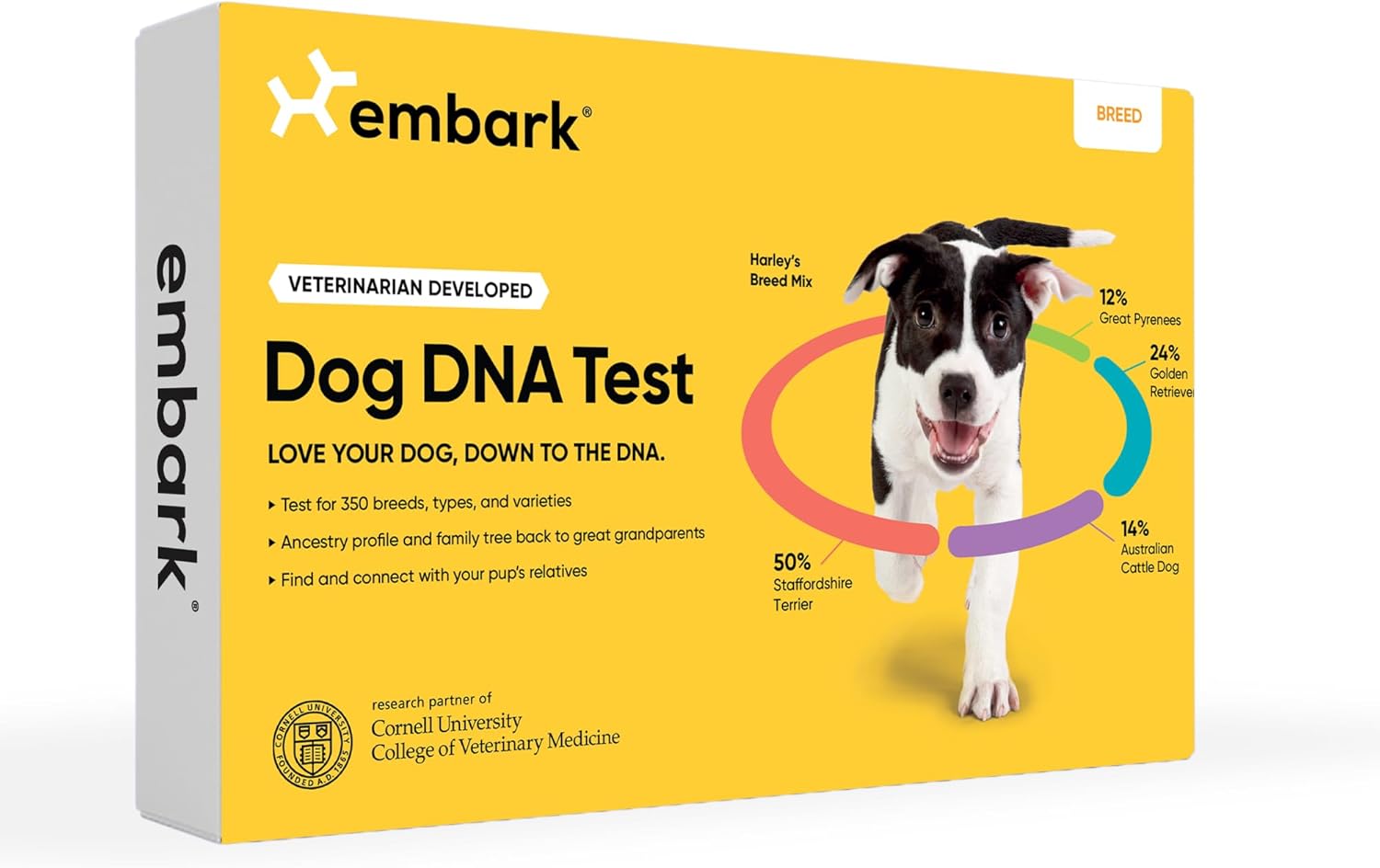 | 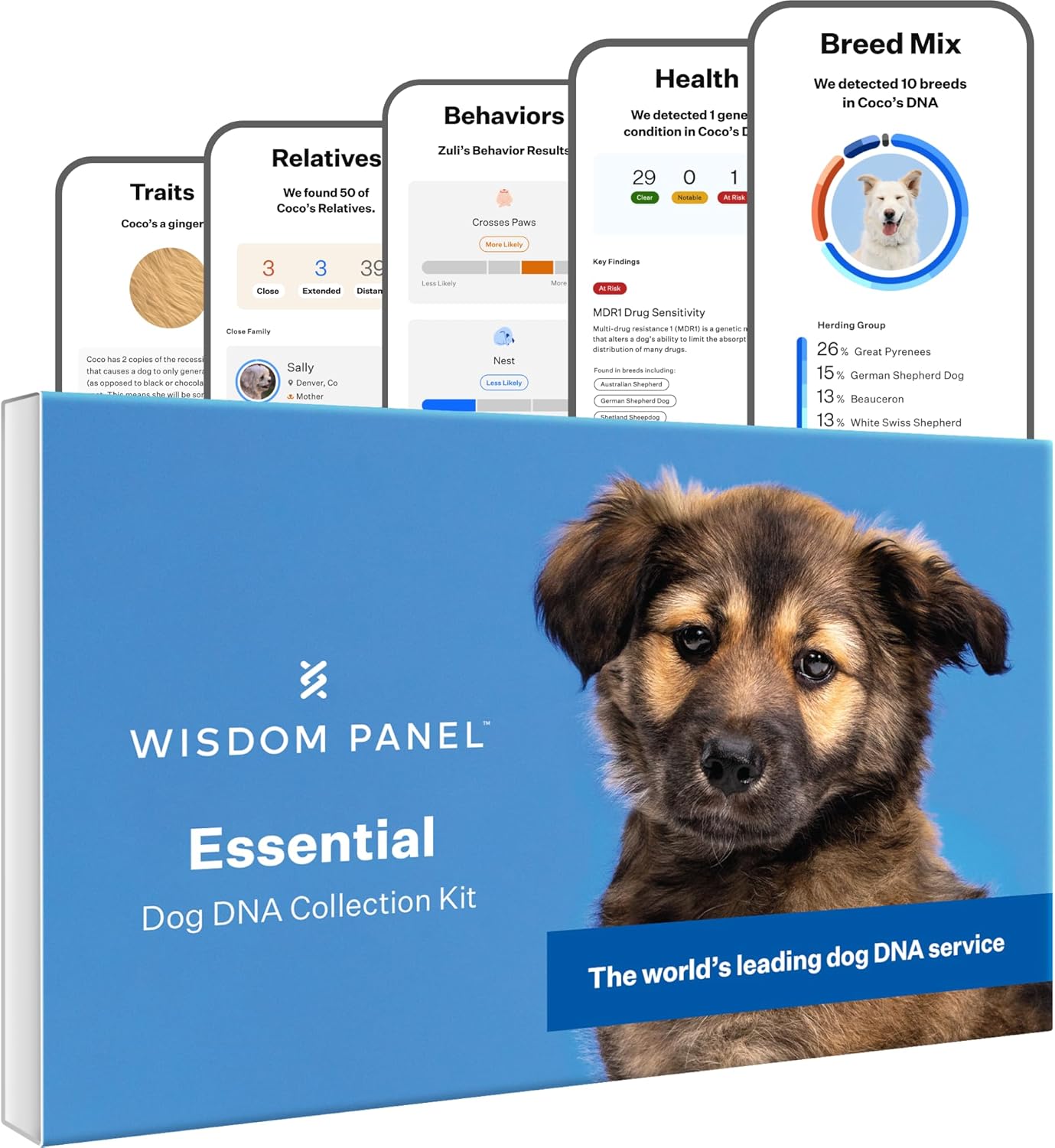 | 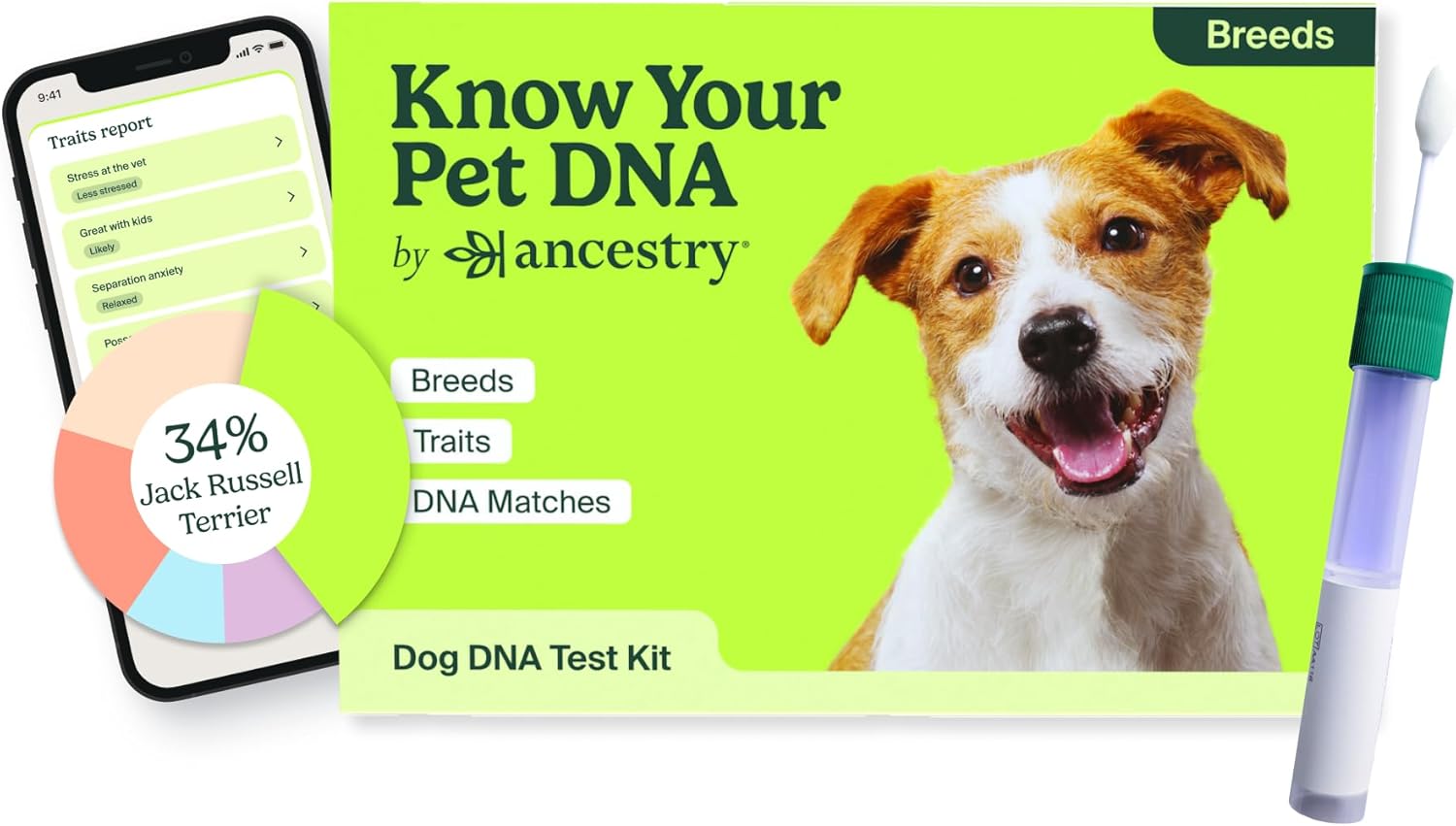 | 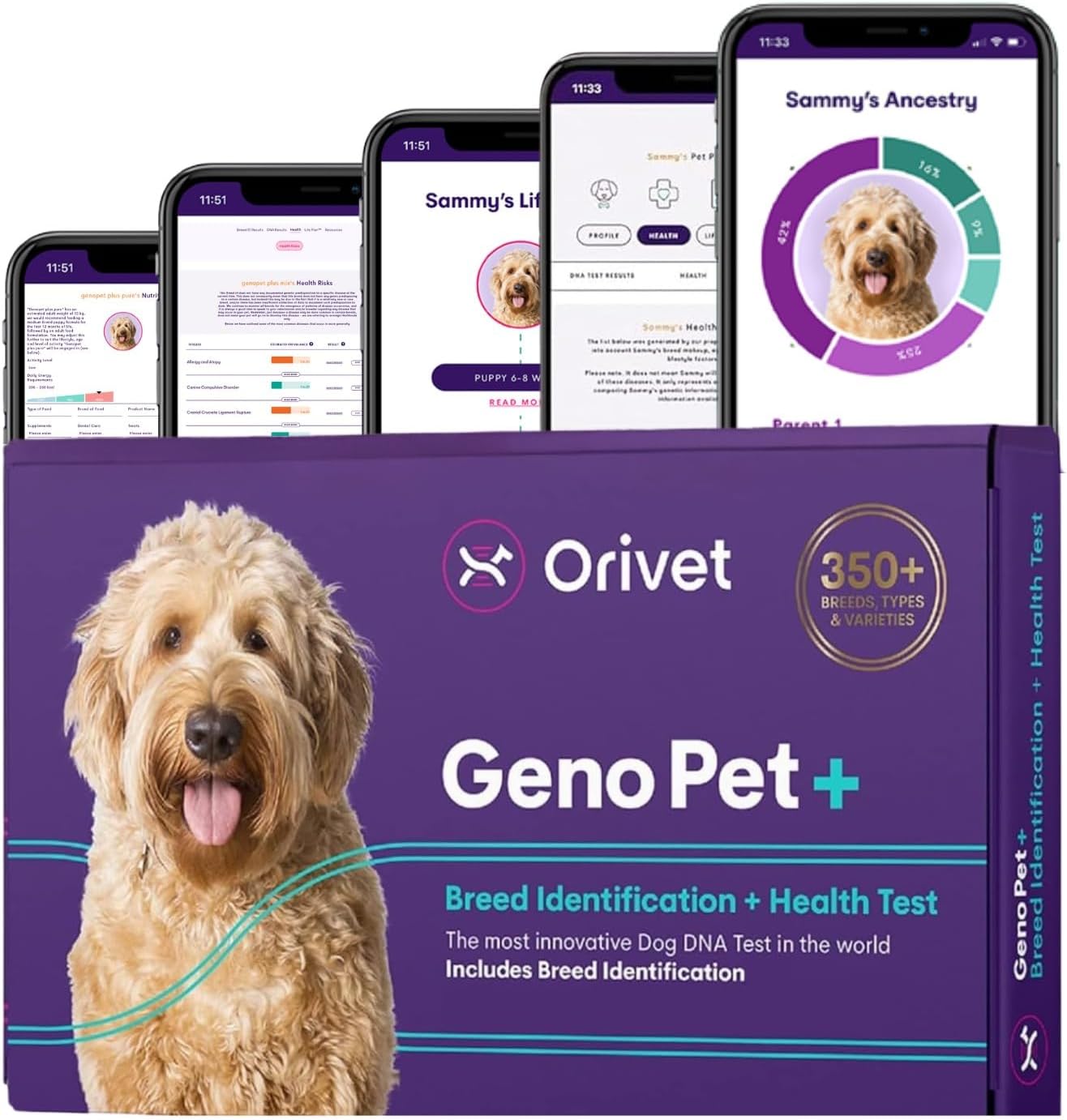 |  | |
Best for | Best overall breed + health | Most detailed all-in-one report | Simplest dashboard experience | Wellness planning style report | Budget-friendly deeper option |
Breed database size | 400+ breeds | 365+ breeds | 400+ breeds | Around 400 breeds | 350+ breeds |
Health screening | 270+ genetic health conditions | 265+ genetic health conditions | 200+ health screenings | Over 200 diseases and traits | “Health concerns” insights (not positioned as a full medical screen) |
Traits and behavior | Traits included | 50+ traits and behavior predispositions | Traits included | Traits and health framing included | Personality traits included |
Relatives matching | Yes | Yes | Matches included | Not the main focus | Not the main focus |
Typical results time | 2–4 weeks | About 3 weeks | 2–4 weeks | Often 2–4 weeks | About 3 weeks (varies by kit) |
Price |  | | | | |
What “top rated” should mean (and why ratings alone can mislead)
Online ratings are messy:
- Some buyers rate “shipping speed,” not accuracy.
- Some dogs are easy (purebred), some are hard (multi-mix rescue).
- Many companies do not fully disclose methods or quality controls, and animal genetic testing is not regulated the way many people assume.
A systematic comparison in a major veterinary journal found real differences across direct-to-consumer tests and how results are presented. That’s why “4.7 stars” is not a shortcut to “best.”
So we judge “top rated” by evidence, transparency, and usefulness.
The PetsPal Verdict Filter (use this in 60 seconds)
A dog DNA test deserves “top rated” status if it:
- Clearly states what it measures (breed, health, meds, parentage)
- Explains uncertainty (confidence, limitations, what not to conclude)
- Avoids behavior hype (behavior prediction is not reliable from a few variants)
- Has strong quality control (failed samples and retest policy are normal)
- Gives you next steps (how to use results with your vet, not fear)
If a company can’t do those basics, it should not be “top rated.”
Best dog DNA test kit quick picks
- Best overall: Embark Breed + Health
- Best “everything in one report” alternative: Wisdom Panel Premium
- Best for a big-brand, easy dashboard experience: Know Your Pet DNA by Ancestry
- Best for wellness planning style reporting: Orivet GenoPet Plus
- Best budget-friendly option: DNA My Dog Essential (or Premium if you want deeper extras)
The only fair way to compare dog DNA tests: compare your goal first
Goal A: Breed identification
You want a test that’s great at ancestry estimates.
What matters most:
- A strong reference database (breadth and quality)
- Confidence reporting (not just tiny percentages)
- Clear “what this means” explanations
Large cohort research suggests disagreement often happens when a dog’s true breed is not represented in a reference panel.
Goal B: Health planning
You want a test that’s great at finding known health variants and reporting them responsibly.
What matters most:
- Clinical context and disclaimers
- Actionable guidance (what to monitor, what to ask your vet)
- Conservative language (risk is not diagnosis)
Goal C: Medication sensitivity
You want a test that answers a very specific safety question.
What matters most:
- Clear, vet-friendly reporting
- “What drugs does this affect?” style guidance (without overclaiming)
Goal D: Parentage and identity (breeders, registry needs)
This is not a “breed ID” test.
AKC DNA profiling is explicitly for genetic identity and parentage verification, not breed or health.
Feature | |||||
|---|---|---|---|---|---|
| | | | | |
Best for | Best overall breed + health | Most detailed all-in-one report | Simplest dashboard experience | Wellness planning style report | Budget-friendly deeper option |
Breed database size | 400+ breeds | 365+ breeds | 400+ breeds | Around 400 breeds | 350+ breeds |
Health screening | 270+ genetic health conditions | 265+ genetic health conditions | 200+ health screenings | Over 200 diseases and traits | “Health concerns” insights (not positioned as a full medical screen) |
Traits and behavior | Traits included | 50+ traits and behavior predispositions | Traits included | Traits and health framing included | Personality traits included |
Relatives matching | Yes | Yes | Matches included | Not the main focus | Not the main focus |
Typical results time | 2–4 weeks | About 3 weeks | 2–4 weeks | Often 2–4 weeks | About 3 weeks (varies by kit) |
Price | | | | | |
Top Rated Dog DNA Test Scorecard (copy/paste)
Use this to rate any company or kit you’re considering. Total = 100.
Category | What “Top Rated” Looks Like | Points |
|---|---|---|
Goal clarity | Says exactly what results include (breed, health, meds, parentage) | 10 |
Method transparency | Explains markers used, how ancestry/variants are determined, and limitations | 15 |
Reference panel strength (breed tests) | Broad coverage, updated database, clear handling of rare breeds | 15 |
Uncertainty reporting | Confidence levels, ranges, or clear language about ambiguity | 10 |
Quality control | Explains failed samples, contamination issues, and retest policy | 10 |
Health result responsibility | Separates “risk” from diagnosis, encourages vet discussion | 10 |
No behavior overpromises | Does not claim personality prediction from a few variants | 10 |
Privacy controls | Clear opt-in/opt-out, retention, and deletion options | 10 |
Support quality | Explains results in plain English, helps owners use results correctly | 10 |
Total | 100 |
Why this works: it’s built around the known weak spots in consumer dog DNA testing, including variability across tests and the risk of overinterpreting results.
What accuracy really looks like (and how top rated tests prove it)
Breed accuracy: expect “useful,” not “perfect”
Breed ancestry is hardest in:
- Multi-generation mixes
- Rare breeds
- Village dog lineages
- Small percentages (the 1% to 5% stuff)
Peer-reviewed comparisons show meaningful differences across direct-to-consumer tests, which is exactly why top rated options focus on confidence and clarity, not certainty theater.
Health accuracy: stronger, but still not a diagnosis
Many health findings are based on known variants, which can be helpful. But UC Davis stresses that results can be misunderstood, and companies often do not disclose full methodology or QC.
A top rated report makes it easy to answer:
- “Is this a carrier finding or a high-risk finding?”
- “Does this warrant monitoring, confirmatory testing, or no action?”
- “What symptoms would matter?”
Behavior accuracy: this is where marketing gets reckless
If a test says it can predict your dog’s personality from a few DNA variants, slow down.
A 2025 PNAS paper found no evidence that commonly marketed variants meaningfully predict behavior in individual dogs, even though genetics can predict appearance traits well.
So a “top rated” test earns trust by not overselling behavior.
The biggest “top rated” separator: how the report handles uncertainty
Two tests can use real science and still give different ancestry splits. That’s not always fraud. It’s often differences in databases and reporting rules.
A top rated report will:
- Keep tiny percentages in perspective
- Explain potential substitutions (similar breeds can be confused)
- Show confidence, ranges, or “best fit” language
And it will never pretend a 2% result is destiny.
How to get better results from any dog DNA test (sample collection matters)
A messy swab can cause low DNA concentration, contamination, or retesting.
University lab guidance recommends simple steps that raise your odds:
- No eating or drinking before sampling for a set window
- Isolate puppies from mom and littermates before swabbing
- Wash hands between dogs
- Swab thoroughly and avoid touching the swab to surfaces
This is one of the most overlooked ways to turn an “okay” experience into a “top rated” experience.
“Top rated” red flags (instant dealbreakers)
Walk away if you see:
- Photo-driven breed results (DNA should not change because of a picture)
- Behavior certainty (“aggression gene,” “anxiety gene,” etc.)
- No explanation of limitations (every good lab has limitations)
- No retest policy (failed samples happen, honesty matters)
- Medical fear language (“your dog will get this”) instead of risk framing
If you’re trying to solve behavior issues, skip the DNA shortcuts. Training and routines matter more. If you’re already shopping tools, our Bousnic Review can help you think through practical use and limitations in real homes: https://petspal.org/bousnic-review/
What to do with your results (so they actually help your dog)
If you did breed ID
Use it for:
- Exercise expectations (herding vs scent hound energy needs)
- Coat and grooming planning
- Conversation with trainers (not labels, just tendencies)
Do not use it for:
- Predicting temperament
- Making housing or insurance decisions
- Breed-based assumptions about risk
If you did health screening
Bring a one-page summary to your vet:
- The top findings (2 to 4 max)
- Any current symptoms
- Current meds and supplements
- Your goal: prevention, not panic
Veterinary providers recognize utility in genetic testing, but interpretation confidence varies with direct-to-consumer reporting, so clear summaries help.
If you did parentage testing
Treat it like identity documentation. It’s a different category than breed and health.
FAQ: Top Rated Dog DNA Tests
What are the top rated dog DNA tests?
“Top rated” should mean transparent methods, strong reference data for breed ID, responsible health reporting, clear uncertainty, and no behavior overpromises. Veterinary sources warn that animal genetic testing lacks the regulation and standardization many consumers assume.
Are dog DNA tests accurate?
They can be useful, but accuracy depends on the goal. Breed ancestry estimates can vary between tests, especially for mixed dogs and small percentages.
Why do different dog DNA tests give different results?
Different reference panels, algorithms, and reporting rules can produce different ancestry estimates. Disagreement is more likely when a breed is not represented in the reference panel.
Can dog DNA tests predict behavior?
Not reliably from a small set of marketed variants. A 2025 PNAS study found no evidence that commonly marketed variants predict individual dog behavior, even though appearance prediction is stronger.
Should I share dog DNA health results with my vet?
Yes. UC Davis stresses that results can be misinterpreted and should be used with veterinary context, especially for health decisions.
Is AKC DNA testing the same as breed DNA testing?
No. AKC DNA profiling is for genetic identity and parentage verification only, not breed determination or health reporting.
Other Interesting Articles
- Best Dog DNA Test Kit: Embark vs Wisdom Panel vs Ancestry and More
- Wisdom Panel vs Ancestry: Which Dog DNA Test Should You Buy?
- Wisdom Panel vs DNA My Dog: Which Dog DNA Test Should You Buy?
- Wisdom Panel vs Basepaws: Which Cat DNA Test Should You Buy?
- Wisdom Panel vs Embark: Which Dog DNA Test Should You Buy?
About the Author
PetsPal helps pet parents make smarter decisions with practical guides, clear comparisons, and real-world advice that keeps your dog’s wellbeing first. From “What DNA Test Do Dog Breeders Use?” to other common questions for dog and cat owners, we help pet owners of all types better care for their furry friends.
References
- UC Davis on what pet genetic testing can and cannot tell you, including lack of regulation and disclosure issues.
- Systematic comparison of direct-to-consumer canine genetic tests (variation across tests and reporting).
- PNAS 2025: genetic tests predict appearance but not individual behavior from commonly marketed variants.
- Dog Aging Project cohort study on owner vs genetic breed identification and reference panel gaps.
- UC Davis VGL sample collection guidance (steps to reduce contamination and improve sample quality).
- AKC FAQ: DNA profiling is for identity and parentage verification, not breed or health.
That’s how to evaluate top rated dog DNA tests without getting played by marketing.