I'm a participant in the Amazon Services LLC Associates Program, an affiliate advertising program designed to provide a means for me to earn fees by linking to Amazon.com and affiliated sites.
How to choose a reliable dog DNA testing service comes down to one thing: pick the service that is transparent about its database, honest about uncertainty, and strict about quality control. If a company is vague, overconfident, or gimmicky, you are not buying “accuracy.” You are buying a pretty PDF.
Why this matters: breed identification can be genuinely useful for grooming, exercise, and training plans, but only if you choose a service that treats DNA like science, not entertainment. Veterinary experts also caution that animal genetic testing is not regulated like human testing, and many companies do not fully disclose methods or quality controls.
Feature | |||||
|---|---|---|---|---|---|
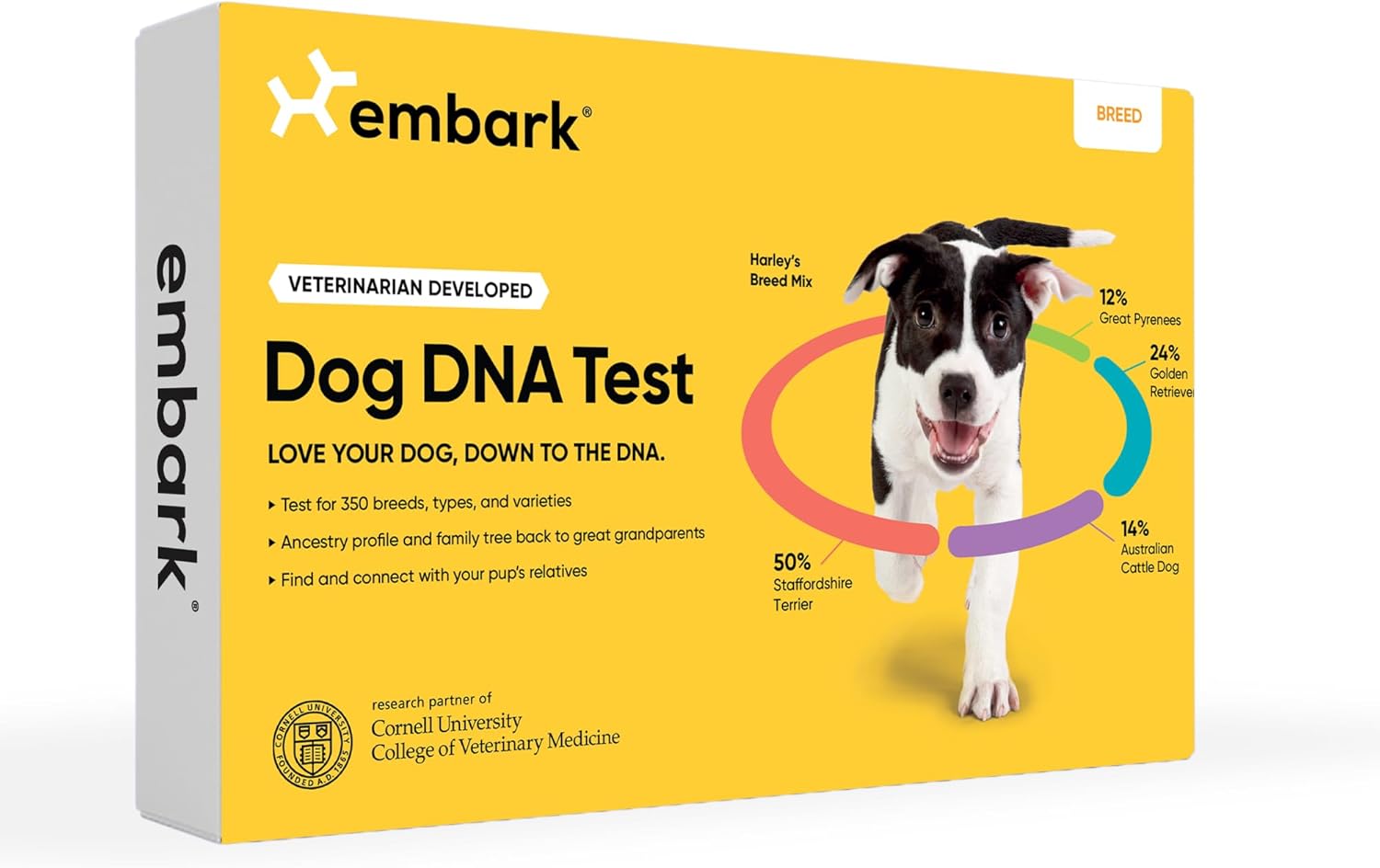 | 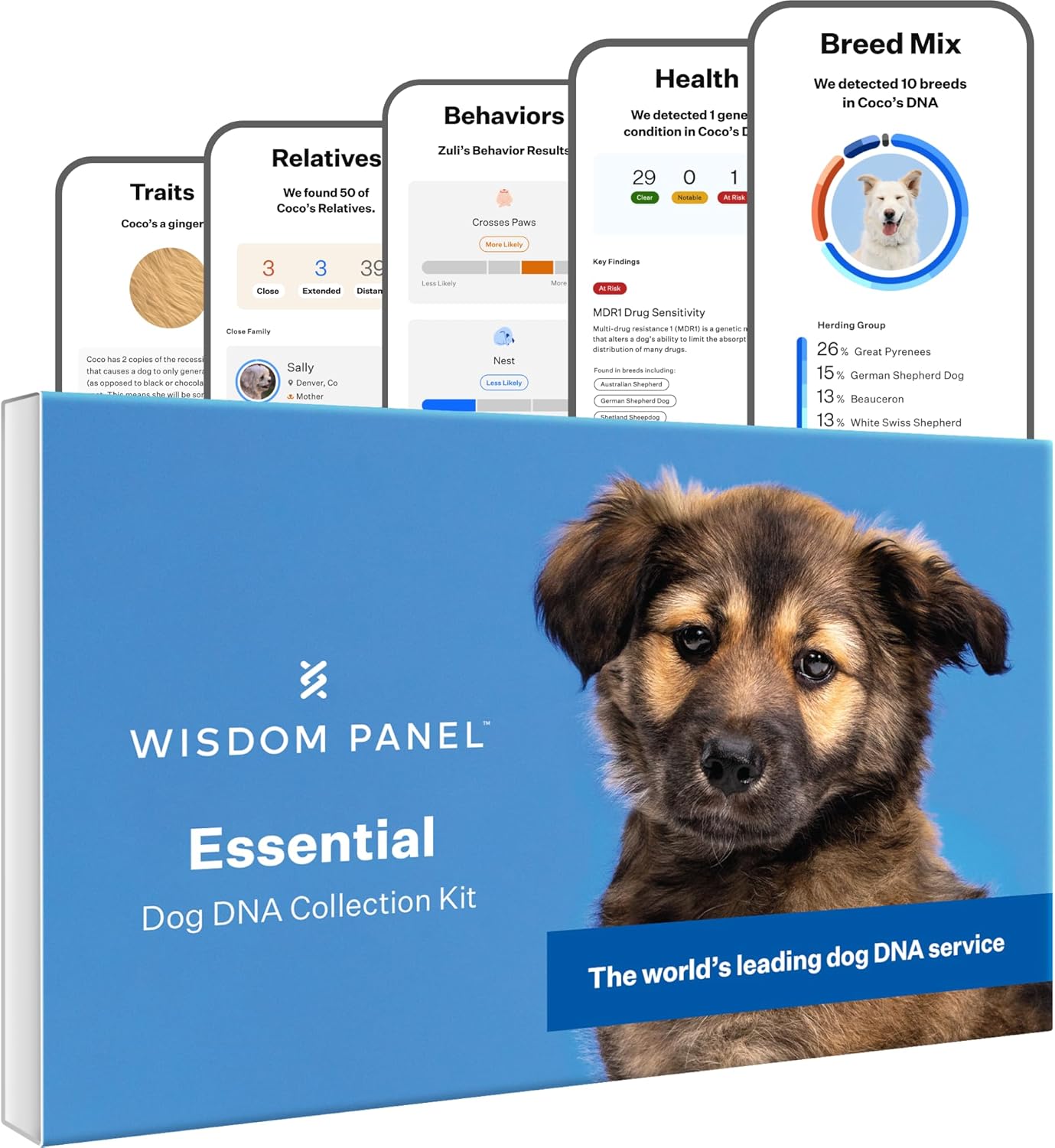 | 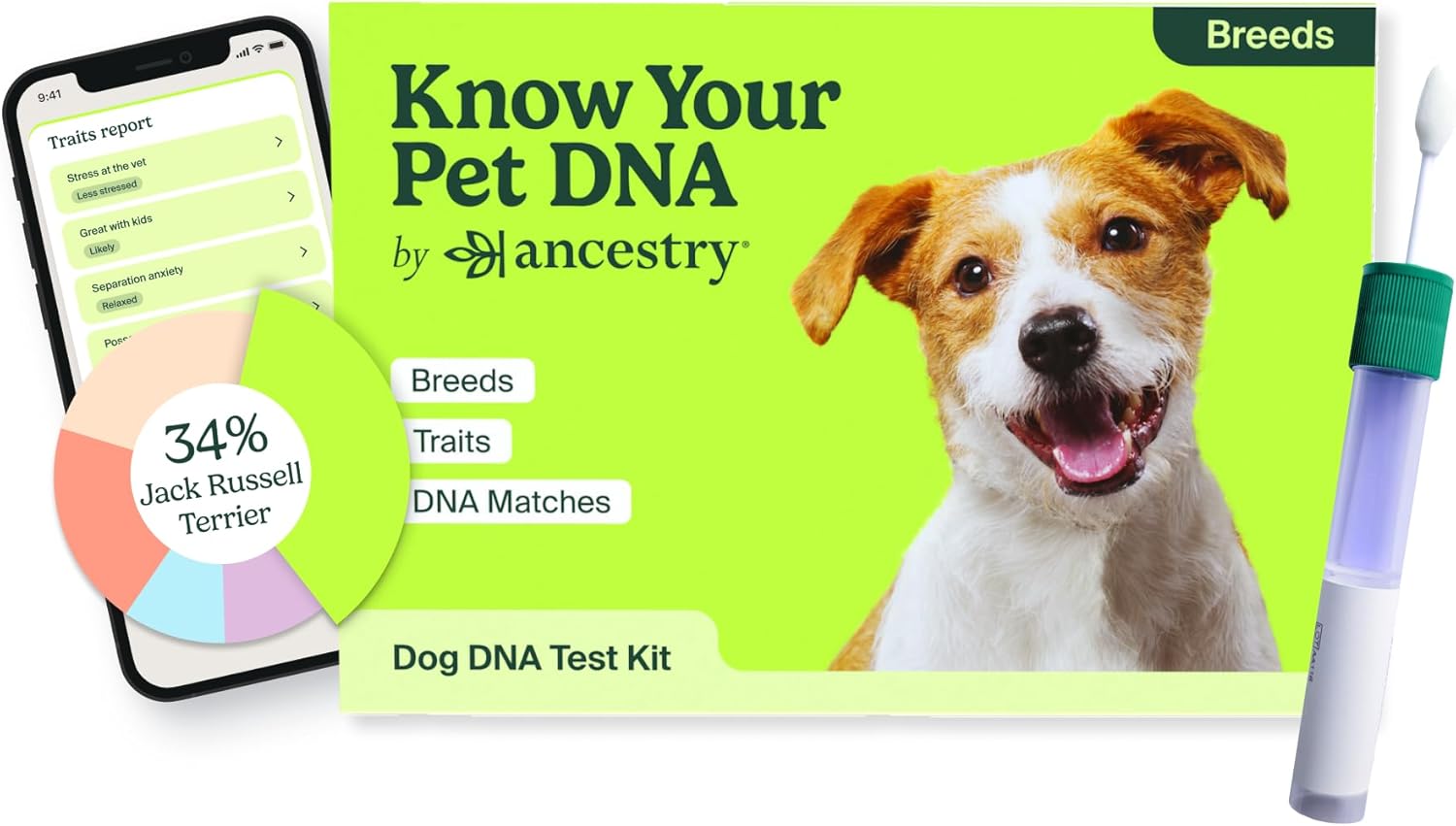 | 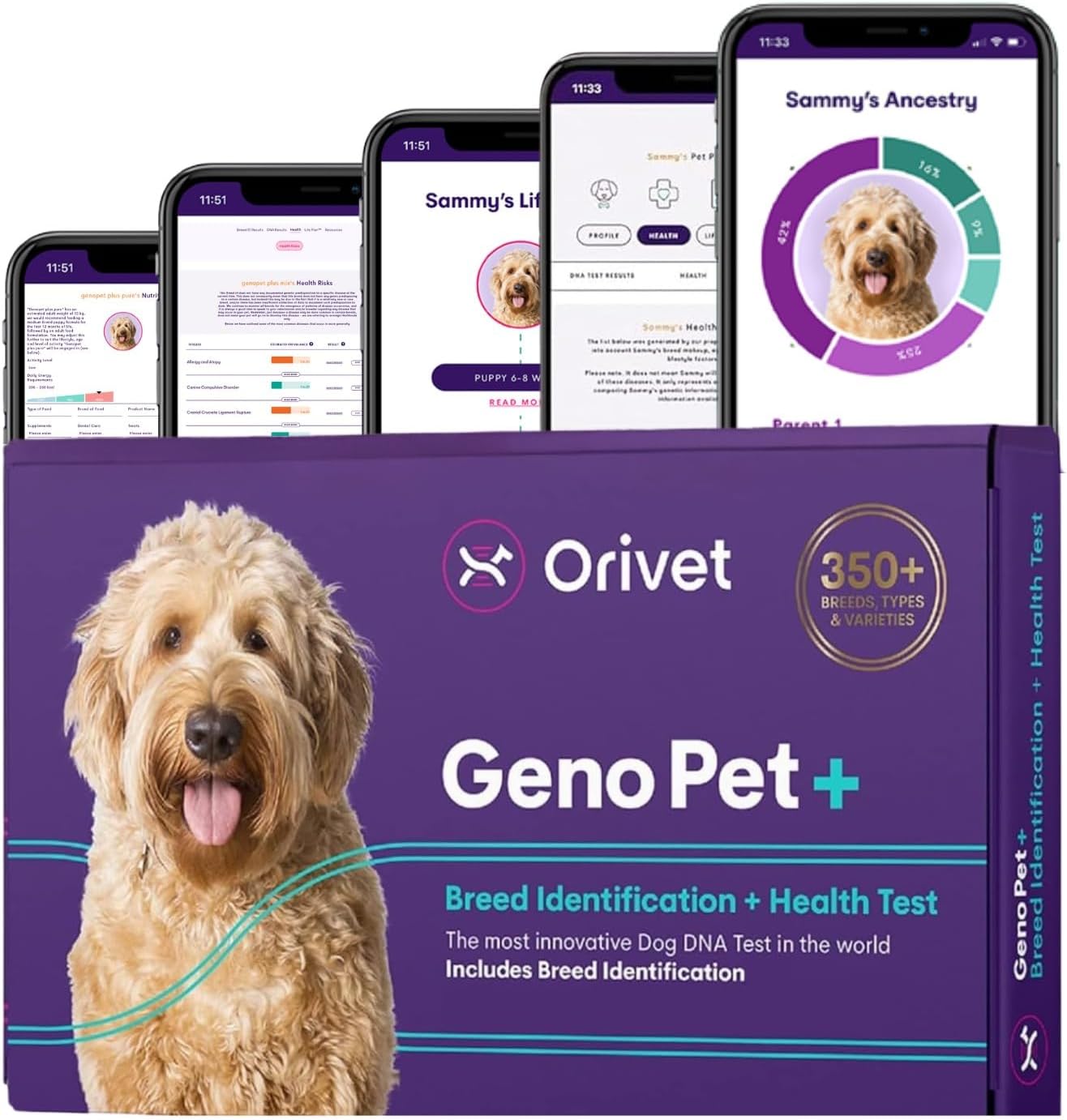 |  | |
Best for | Best overall breed + health | Most detailed all-in-one report | Simplest dashboard experience | Wellness planning style report | Budget-friendly deeper option |
Breed database size | 400+ breeds | 365+ breeds | 400+ breeds | Around 400 breeds | 350+ breeds |
Health screening | 270+ genetic health conditions | 265+ genetic health conditions | 200+ health screenings | Over 200 diseases and traits | “Health concerns” insights (not positioned as a full medical screen) |
Traits and behavior | Traits included | 50+ traits and behavior predispositions | Traits included | Traits and health framing included | Personality traits included |
Relatives matching | Yes | Yes | Matches included | Not the main focus | Not the main focus |
Typical results time | 2–4 weeks | About 3 weeks | 2–4 weeks | Often 2–4 weeks | About 3 weeks (varies by kit) |
Price |  | | | | |
Step 1: Decide what “reliable” means for your goal
A lot of frustration comes from buying the right test for the wrong job.
Choose your goal first:
- Breed identification (ancestry): “What breeds are in my dog?”
- Health risk screening: “Are there known genetic variants that may matter?”
- Medication sensitivity: “Could certain meds be riskier?”
- Parentage or identity: “Who are the parents, and is this dog who we say it is?”
Parentage and identity testing is a different category than breed and health. For example, major registry DNA profiling programs clearly state they verify identity and parentage and do not determine breed or health.
Step 2: Use the PetsPal Reliability Checklist (fast, practical, and hard to game)
A reliable dog DNA testing service should answer “yes” to most of these without you digging.
The non-negotiables
- Clear breed database coverage: They say how broad their reference panel is and update it.
- Confidence or uncertainty shown: They explain when results are strong vs shaky.
- Quality control explained: They describe retests, failed samples, and how they prevent contamination.
- Methods explained in plain English: Not just marketing buzzwords.
- No behavior fortune-telling: Serious services do not promise personality predictions from a few variants.
Why the behavior point matters: a 2025 PNAS study found genetic tests can predict appearance traits much better than individual behavior, and it found no evidence that commonly marketed variants predict behavior.
Best dog DNA test kit quick picks
- Best overall: Embark Breed + Health
- Best “everything in one report” alternative: Wisdom Panel Premium
- Best for a big-brand, easy dashboard experience: Know Your Pet DNA by Ancestry
- Best for wellness planning style reporting: Orivet GenoPet Plus
- Best budget-friendly option: DNA My Dog Essential (or Premium if you want deeper extras)
Scorecard Table
Use this to compare services without relying on star ratings.
Reliability factor | What “reliable” looks like | What to watch out for |
|---|---|---|
Breed database transparency | Explains what breeds are included and how often it updates | “Largest database” with no numbers or details |
Confidence reporting | Shows confidence, ranges, or clear uncertainty language | Tiny percentages presented as certain facts |
Quality control | Explains failed sample rates, retest policy, and contamination safeguards | No mention of failures or retesting at all |
Sample instructions | Very specific swab steps and what ruins a sample | Vague, one-sentence instructions |
Photo influence | DNA results should not depend on a photo upload | Any hint that photo can sway ancestry results |
Behavior claims | Conservative and evidence-based | “Aggression gene” or “personality DNA” claims |
Vet usability | Clear language, clinical framing, encourages vet context | Fear-based health wording with no next steps |
Privacy controls | Clear opt-in, deletion, retention, and data-sharing terms | “We may share data” with unclear limits |
Support quality | Real help interpreting results | Only canned FAQs or upsells |
Step 3: Know where “accuracy” breaks down (so you judge results fairly)
Even good services can struggle in predictable situations.
Mixed breeds and small percentages are the hardest
Complex mixes, rare breeds, and tiny percentages are where estimates wobble most. One large Dog Aging Project analysis found mismatch risk increases when a dog’s true breed is not in a reference panel.
Quality depends on your swab more than most people think
A contaminated or weak sample can trigger errors, delays, or retesting.
University lab guidance for dogs is blunt:
- Do not collect drool only. You need cheek cells.
- Do not rub the swab on tongue or teeth.
- Do not swab a puppy right after nursing due to contamination risk.
If a company’s instructions are not at least that specific, it is a red flag.
Feature | |||||
|---|---|---|---|---|---|
| | | | | |
Best for | Best overall breed + health | Most detailed all-in-one report | Simplest dashboard experience | Wellness planning style report | Budget-friendly deeper option |
Breed database size | 400+ breeds | 365+ breeds | 400+ breeds | Around 400 breeds | 350+ breeds |
Health screening | 270+ genetic health conditions | 265+ genetic health conditions | 200+ health screenings | Over 200 diseases and traits | “Health concerns” insights (not positioned as a full medical screen) |
Traits and behavior | Traits included | 50+ traits and behavior predispositions | Traits included | Traits and health framing included | Personality traits included |
Relatives matching | Yes | Yes | Matches included | Not the main focus | Not the main focus |
Typical results time | 2–4 weeks | About 3 weeks | 2–4 weeks | Often 2–4 weeks | About 3 weeks (varies by kit) |
Price | | | | | |
Step 4: Run the “Red Flag” test before you buy
If you see these, keep shopping.
Red flags that predict disappointing results
- No mention of uncertainty anywhere in sample reports.
- Overconfident tiny percentages presented like facts.
- Behavior and personality promises as if DNA alone explains your dog.
- Photo-driven ancestry risk or required photo uploads that appear to influence results.
- No quality control talk: no retest policy, no failure handling, no contamination guidance.
A practical rule: if the service acts like DNA is simple, the reporting is probably not reliable.
Step 5: Audit the report quality before you commit (yes, you can do this)
Most services show sample reports or screenshots. Use them.
A reliable report should:
- Highlight the top 1–3 ancestry signals as the most meaningful.
- Treat very small percentages as low confidence or “trace.”
- Explain limitations in plain English.
- Separate “health risk” from diagnosis and recommend vet context when decisions matter.
Veterinary care providers report that while genetic testing can have clinical utility, confidence interpreting direct-to-consumer results can be limited. That is a big reason why clarity and conservative reporting matter.
Step 6: Do the privacy check (the part everyone skips)
A reliable dog DNA testing service should make privacy easy to control.
Look for:
- Opt-in controls for research or data sharing.
- Clear retention rules: do they keep DNA samples, raw data, or both?
- Deletion process: can you delete your account and data?
- Plain-language explanations of who can access data.
Consumer advocates have warned that direct-to-consumer genetic testing can involve regulatory gaps and sensitive data risks. Even if you are “just testing a dog,” you still want clear controls.
Step 7: Make the swab foolproof (especially if kids help)
Want the most reliable results? Treat sampling like a clean science experiment.
- No treats right before swabbing.
- Wash hands, one dog at a time.
- Adult handles the swab. Kids run the timer and read steps.
- Swab cheeks and gums as instructed, not tongue or teeth.
This one step prevents most “my results seem wrong” regret.
FAQ: How to Choose a Reliable Dog DNA Testing Service
How do I choose a reliable dog DNA testing service?
Choose one that is transparent about breed database coverage, reports uncertainty clearly, explains quality control, and avoids behavior overpromises. Veterinary experts caution that animal genetic testing is not regulated like human testing, so transparency matters.
Are dog DNA tests accurate for breed identification?
They can be useful, especially for dominant ancestry signals, but accuracy depends on reference panel coverage, reporting style, and your dog’s mix complexity. Missing breeds in reference panels can increase disagreement.
Why do dog DNA services sometimes give different breed results?
Different services use different reference databases and algorithms, and they handle low-confidence traces differently. Small percentages are the most likely to vary.
Can a dog DNA test predict my dog’s behavior or personality?
Not reliably from a few marketed variants. A 2025 PNAS study found no evidence that commonly marketed variants predict individual behavior, even though appearance prediction is stronger.
What should a reliable DNA report include?
Clear top ancestry signals, confidence or uncertainty language, limitations, and practical guidance. For health-related interpretation, veterinary context matters because misinterpretation can be problematic.
What’s the biggest mistake people make with dog DNA tests?
Poor sample collection. Contamination and weak cheek-cell swabs can degrade results, cause retests, or create confusing output.
Other Interesting Articles
- Best Dog DNA Test Kit: Embark vs Wisdom Panel vs Ancestry and More
- Wisdom Panel vs Ancestry: Which Dog DNA Test Should You Buy?
- Wisdom Panel vs DNA My Dog: Which Dog DNA Test Should You Buy?
- Wisdom Panel vs Basepaws: Which Cat DNA Test Should You Buy?
- Wisdom Panel vs Embark: Which Dog DNA Test Should You Buy?
About the Author
PetsPal helps pet parents make smarter decisions with practical guides, clear comparisons, and real-world advice that keeps your dog’s wellbeing first. From “How to Choose a Reliable Dog DNA Testing Service” to other common questions for dog and cat owners, we help pet owners of all types better care for their furry friends.
References
- UC Davis School of Veterinary Medicine: limitations, interpretation caution, and lack of regulation for animal genetic testing.
- UC Davis Veterinary Genetics Laboratory: dog sample collection dos and don’ts.
- AKC DNA FAQ: DNA profiling for identity and parentage only, not breed or health.
- PNAS 2025: genetic testing predicts appearance but not individual behavior from commonly marketed variants.
- bioRxiv: user-submitted photos can bias ancestry estimation in some DTC contexts.
- American Journal of Veterinary Research: veterinary providers report limited confidence interpreting some direct-to-consumer results.
- Consumer Reports policy paper on direct-to-consumer genetic testing privacy gaps.
- Dog Aging Project analysis on breed identification and reference panel gaps.
How to choose a reliable dog DNA testing service is about picking transparency, quality control, and honest uncertainty, so the breed results actually mean something.